
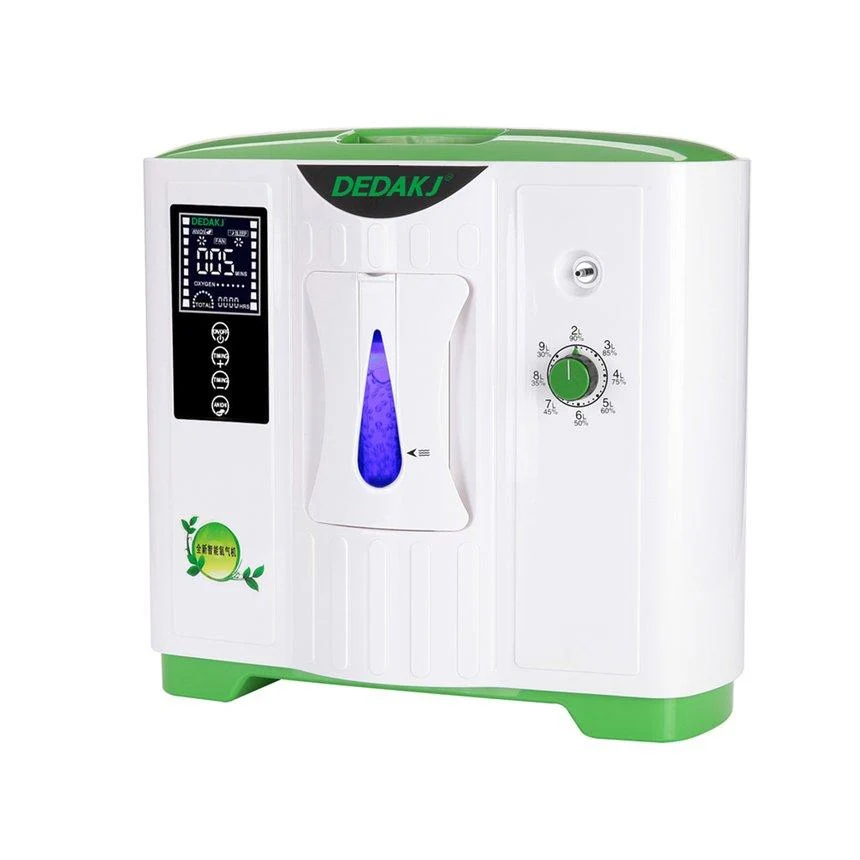
A home oxygen concentrator is an important medical device designed to provide supplemental oxygen to people who need additional support with their breathing. Unlike traditional oxygen cylinders, a concentrator takes oxygen from the surrounding air, removes nitrogen and other gases, and delivers a higher concentration of oxygen to the user. The performance of a home oxygen concentrator depends on several technical, environmental, and maintenance-related factors.
For people researching 家用氧氣機, understanding these factors can help them recognize why one device may perform differently from another and what features contribute to reliable oxygen delivery.
Oxygen Concentration and Purity
One of the most important indicators of a concentrator’s performance is the oxygen concentration it produces. A quality device should consistently deliver oxygen within the concentration range specified by its manufacturer.
Most home oxygen concentrators use molecular sieve technology. This system separates oxygen from nitrogen by passing room air through specialized sieve beds. Over time, the efficiency of these components can affect oxygen purity.
If oxygen concentration falls below the expected level, the device may not provide the intended therapeutic support. Therefore, users should follow the manufacturer’s recommendations for inspections, servicing, and performance checks.
Flow Rate
Flow rate is another major factor that determines how effectively an oxygen concentrator operates. Flow rate refers to the amount of oxygen delivered to the user over a specific period, commonly measured in liters per minute.
Different concentrators support different flow ranges. Some are designed for relatively low-flow applications, while high-capacity models can provide greater output for users with higher oxygen requirements.
A concentrator should be selected according to the oxygen prescription provided by a qualified healthcare professional. Using a flow setting that is different from the prescribed level without professional guidance can be unsafe.
Device Capacity and Design
The internal design and capacity of a concentrator directly influence its performance. Components such as the compressor, sieve beds, valves, filters, sensors, and cooling system all work together to produce and deliver oxygen.
A stronger compressor can support consistent operation, while properly designed sieve beds can improve oxygen separation. Efficient internal airflow also helps prevent excessive heat buildup during extended use.
Manufacturers design concentrators for particular operating conditions and usage levels. Therefore, specifications such as oxygen output, operating duration, noise level, and recommended usage should be considered when evaluating a 家用氧氣機.
Filter Condition
Filters play an important role in maintaining the quality and efficiency of an oxygen concentrator. They prevent dust, particles, and other contaminants from entering sensitive internal components.
A dirty or clogged filter can restrict airflow. When airflow decreases, the concentrator may have to work harder to produce the required oxygen output. This can affect efficiency and potentially reduce the device’s overall performance.
Regular filter inspection and cleaning or replacement according to the manufacturer’s instructions can help maintain proper airflow. Users should never ignore maintenance recommendations simply because the machine appears to be operating normally.
Airflow and Ventilation
A home oxygen concentrator requires adequate access to surrounding air. Since the machine extracts oxygen from room air, placing it in an enclosed or poorly ventilated area can interfere with its operation.
The ventilation openings should remain unobstructed. Curtains, furniture, bedding, walls, or other objects should not block air intake or exhaust vents.
Good ventilation also helps the machine release heat generated during operation. Excessive heat can place additional stress on internal components and may reduce long-term reliability.
Room Temperature and Environmental Conditions
Environmental conditions can influence concentrator performance. Extreme temperatures, high humidity, dust, and poor air quality may affect the device’s internal components and airflow system.
Manufacturers typically specify an operating temperature and humidity range for their equipment. Keeping the concentrator within these recommended conditions helps it operate more consistently.
For home users, placing the device in a clean, dry, and reasonably ventilated room is generally preferable. It should also be kept away from excessive heat sources and direct sunlight unless the manufacturer states otherwise.
Electrical Power Supply
Reliable electrical power is essential for a home oxygen concentrator. Because most stationary concentrators operate continuously for extended periods, fluctuations or interruptions in power can affect oxygen availability.
A stable electrical connection allows the compressor and other components to operate normally. Users who live in areas where power interruptions are common may need to discuss backup oxygen arrangements with their healthcare provider.
It is also important to follow the manufacturer’s electrical requirements. Extension cords, adapters, or power accessories should only be used when they are appropriate for the device and recommended by the manufacturer.
Maintenance and Component Wear
Even a high-quality concentrator can lose performance when it is not maintained properly. Continuous operation places normal wear on mechanical and electronic components.
Routine maintenance may involve checking filters, inspecting tubing and connections, cleaning appropriate external components, and arranging professional servicing when necessary.
The sieve beds and compressor are particularly important because they are central to oxygen production. If these components become worn or defective, oxygen concentration and overall output can decline.
Following a scheduled maintenance program can help identify problems before they become more serious.
Tubing and Accessories
The concentrator itself is not the only factor affecting oxygen delivery. Tubing, connectors, humidifier bottles, and other accessories can influence how effectively oxygen reaches the user.
Kinks or blockages in tubing can restrict oxygen flow. Loose connections can also cause leakage and reduce effective delivery.
Accessories should therefore be inspected regularly and replaced when they become damaged, contaminated, or unsuitable for continued use. Only accessories compatible with the specific concentrator should be used.
Noise and Operating Efficiency
Performance is not determined solely by oxygen concentration and flow rate. Noise, energy consumption, and operating efficiency can also influence the overall user experience.
A well-designed concentrator should operate consistently without producing excessive noise. Lower noise levels can be particularly valuable when the machine is used during sleep or in shared living spaces.
Energy efficiency can also matter because many home concentrators operate for several hours each day. Efficient components can help reduce unnecessary energy consumption while maintaining the required oxygen output.
Warning Systems and Sensors
Modern oxygen concentrators often include sensors and alarm systems designed to identify operating problems. Depending on the model, alarms may indicate low oxygen concentration, power failure, overheating, restricted airflow, or other issues.
These safety features can provide important information to users and caregivers. However, an alarm should never be ignored or repeatedly silenced without identifying its cause.
If a device displays a warning or appears to be performing differently than usual, the manufacturer’s instructions should be followed and professional assistance should be obtained when necessary.
Choosing the Right Home Oxygen Concentrator
The best-performing concentrator is not necessarily the largest or most expensive model. The right device is one that matches the user’s prescribed oxygen requirements, lifestyle, and intended environment.
When evaluating a 家用氧氣機, important specifications may include oxygen concentration, flow range, power requirements, operating noise, portability, maintenance needs, alarm functions, and manufacturer support.
Medical requirements should always take priority over convenience or appearance. A healthcare professional can help determine the appropriate oxygen delivery method and settings for an individual.
Conclusion
The performance of a home oxygen concentrator depends on a combination of oxygen purity, flow rate, internal components, airflow, environmental conditions, electrical stability, maintenance, and proper use. Filters, tubing, ventilation, and safety sensors can also have a meaningful impact on reliability.
For anyone considering a 家用氧氣機, understanding these factors makes it easier to evaluate equipment and maintain it properly. Most importantly, oxygen therapy should be used according to professional medical guidance. With appropriate selection, regular maintenance, and correct operation, a home oxygen concentrator can provide dependable supplemental oxygen as part of a prescribed care plan.