
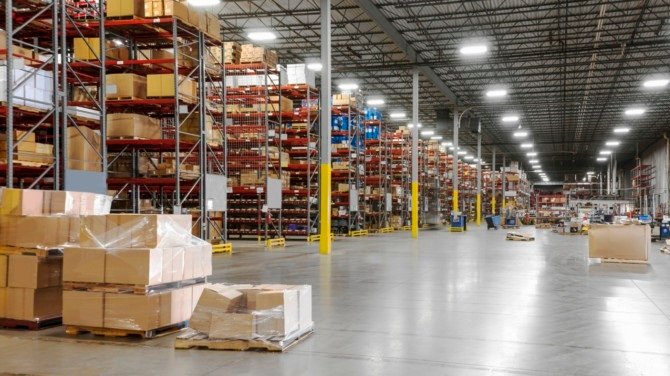
Buying clearance stock can be an excellent way for retailers, online sellers, market traders, and discount stores to access products at competitive prices. However, purchasing clearance merchandise in bulk also requires careful planning. Unlike standard wholesale orders, clearance stock can vary significantly in terms of product condition, quantity, packaging, brands, and available sizes or models. Asking the right questions before placing an order can help you avoid unexpected costs and make better purchasing decisions.
If you are considering Wholesale clearance pallets UK, it is important to communicate clearly with suppliers before committing your money. A reliable supplier should be able to provide useful information about the stock, order terms, delivery, and payment process. The more questions you ask in advance, the easier it becomes to assess whether a particular clearance deal is suitable for your business.
What Type of Clearance Stock Is Included?
One of the first questions to ask is exactly what type of products are included in the order. Clearance stock may come from retail overstock, customer returns, discontinued lines, end-of-season inventory, damaged packaging, liquidation sales, or surplus stock.
Ask the supplier to explain the source of the products. Knowing where the inventory comes from can give you a better understanding of what to expect. For example, overstock products may be unused and in excellent condition, while customer returns could have varying conditions.
You should also ask whether the pallet contains a single product category or a mixed selection. A mixed pallet can offer variety, but it may also include products that are harder to resell.
Are the Products New, Returned, or Used?
Product condition is one of the most important factors when purchasing clearance merchandise. Before ordering, ask whether the items are brand new, open-box, customer returns, refurbished, used, or damaged.
If the supplier uses grading systems such as Grade A, Grade B, or Grade C, ask for a clear explanation of what each grade means. Some suppliers may consider Grade A products to be in excellent condition, while others may use different criteria.
Understanding product condition helps you estimate potential resale value and determine whether you will need to inspect, repair, clean, or repackage items before selling them.
Can You Provide a Detailed Manifest?
A manifest can be extremely useful when buying clearance stock. Ask whether the supplier provides a detailed inventory list showing the products included in the pallet.
Depending on the supplier, the manifest may include product names, quantities, retail values, stock keeping units, brands, or estimated resale prices. While not every clearance order will have a complete manifest, having as much information as possible can help you make an informed decision.
If the supplier cannot provide a full manifest, ask whether they can provide sample photographs or a general description of the pallet contents.
What Is the Estimated Retail Value?
Another important question concerns the estimated retail value of the stock. Some clearance suppliers advertise pallets based on their original retail value, but this figure does not necessarily represent the amount you can actually earn when reselling the products.
Ask how the supplier calculates the stated retail value. Is it based on the original recommended retail price, current market prices, or estimated selling prices?
You should also research the products independently. A product with a high original retail price may have a much lower resale value if it is discontinued or widely available at discounted prices.
How Many Items Are Included?
Before placing an order, ask for the expected number of units in the pallet. This information allows you to calculate your approximate cost per item.
Keep in mind that pallet dimensions and weight do not always indicate the number of products inside. A pallet containing large household items may have fewer units than a pallet filled with smaller clothing or accessories.
Knowing the estimated quantity can help you plan storage space and determine whether the order fits your current business capacity.
Are There Any Damaged or Missing Items?
Clearance stock may sometimes contain damaged, incomplete, or unsellable products. Ask the supplier whether any items are expected to have missing parts, cosmetic damage, broken packaging, or other issues.
You should also ask whether the supplier removes obviously damaged items before shipping or whether everything is included as received.
This question is particularly important because unsellable products can reduce your actual profit. If the supplier provides an estimated percentage of damaged or non-resalable stock, you can include that information in your calculations.
Can You See Actual Photos of the Pallet?
Stock photographs can be useful for understanding the general type of merchandise, but they may not accurately represent the exact pallet you will receive. Ask whether the supplier can provide current photographs of the actual inventory.
If possible, request images showing the products from different angles. For mixed pallets, ask for photographs of the pallet contents before wrapping or shipping.
Actual photographs can help you assess product variety, packaging, condition, and overall quality before making a purchase.
What Is the Minimum Order Quantity?
Different suppliers have different minimum order requirements. Some may sell individual pallets, while others may require buyers to purchase multiple pallets or larger loads.
Ask about the minimum order quantity and whether discounts are available for larger purchases. If you are new to clearance wholesale, starting with a smaller order may allow you to test the supplier and understand the quality of their stock before making a larger investment.
How Much Does Delivery Cost?
Delivery charges can have a major impact on the final cost of clearance stock. Ask whether shipping is included in the advertised price or calculated separately.
You should also ask about delivery times, shipping locations, pallet delivery methods, and whether the carrier provides tracking information. If you are ordering multiple pallets, ask whether the supplier offers reduced shipping rates for combined deliveries.
Always calculate the total landed cost, including the stock price, delivery fees, taxes where applicable, and any additional charges.
What Is the Returns or Refund Policy?
Clearance merchandise is often sold under different terms from regular wholesale products. Before ordering, ask whether the supplier accepts returns or provides refunds for incorrect, damaged, or significantly misrepresented stock.
Read the supplier’s terms carefully and ask what happens if the delivered pallet does not match the description or manifest. Some clearance suppliers may sell stock on an “as-is” basis, meaning returns may not be accepted.
Understanding the policy before payment can help prevent disputes later.
Are There Any Additional Fees?
Ask about all possible charges before completing your order. These may include delivery fees, handling charges, packaging costs, storage fees, taxes, or administrative expenses.
A supplier offering a low pallet price may not necessarily provide the cheapest overall deal if additional charges are added later. Request a clear final quotation whenever possible.
What Payment Methods Are Accepted?
Ask which payment methods the supplier accepts and whether payment must be made in full before shipping. Established businesses may offer different payment options depending on the size and history of the buyer.
Always ensure that you receive an invoice or order confirmation containing the agreed product details, quantity, price, and delivery information.
How Long Has the Supplier Been Trading?
Finally, ask about the supplier’s experience in the clearance wholesale industry. While a new business is not automatically unreliable, an established supplier with a strong reputation may provide greater confidence.
Look for independent reviews and feedback from other buyers. You can also ask whether the supplier has experience serving businesses similar to yours.
Conclusion
Purchasing clearance stock can create valuable opportunities for businesses looking to source affordable products, but successful buying starts with asking the right questions. Before ordering Wholesale clearance pallets UK, investigate the product condition, stock origin, quantity, manifest availability, delivery costs, return policy, and additional fees.
A good supplier should be willing to answer reasonable questions and provide clear information about the products being offered. By doing your research and calculating the complete cost before placing an order, you can reduce unnecessary risks and choose clearance stock that better matches your business needs and resale strategy.