
Modern homes and workplaces depend on electricity for almost every essential activity. From charging smartphones and powering computers to operating kitchen appliances, lighting systems, tools, and office equipment, reliable access to power is more important than ever. However, simply having electrical outlets available does not always provide the flexibility needed for changing environments. Practical power management solutions can help people organize electrical connections, improve convenience, protect equipment, and support safer everyday operations.
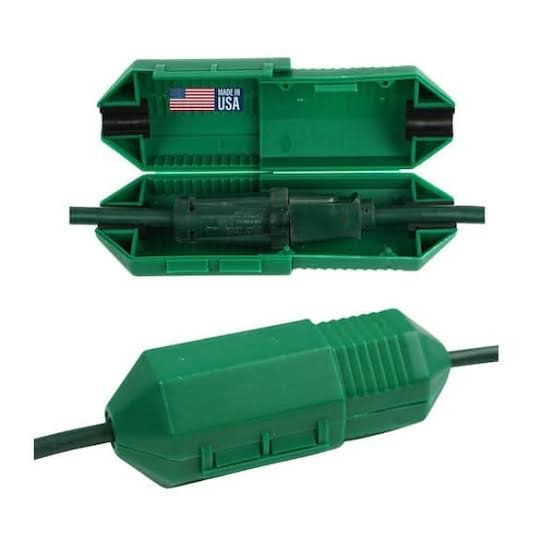
One useful solution for both indoor and outdoor applications is a Weatherproof Extension Cord. Designed to provide flexible access to electricity in locations where standard cords may not be suitable, this type of extension cord can be particularly valuable for outdoor work areas, workshops, gardens, temporary setups, and other demanding environments.
Understanding Modern Power Management Needs
Power management is not limited to controlling how much electricity a building consumes. It also involves organizing electrical connections, reducing unnecessary complications, protecting equipment, and ensuring that power can reach the locations where it is needed.
In homes, people may need additional power for entertainment systems, appliances, lighting, computers, and outdoor equipment. Workplaces can have even more demanding requirements, including printers, monitors, machinery, charging stations, networking equipment, and specialized tools.
As technology becomes increasingly integrated into daily life, electrical layouts need to become more flexible. Instead of relying entirely on fixed outlets, households and businesses can use appropriate power accessories to create adaptable work and living spaces.
The Role of Extension Cords in Flexible Power Access
Extension cords provide a simple way to extend electrical power from an existing outlet to a device located farther away. This can be useful when the available outlet is inconveniently positioned or when temporary access to electricity is required.
A Weatherproof Extension Cord offers additional value in environments where moisture, changing weather conditions, dust, or outdoor use may be concerns. These cords are commonly considered for applications such as garden maintenance, outdoor lighting, workshops, construction activities, and seasonal equipment.
Choosing an extension cord should always involve considering the intended application, electrical load, cord length, construction quality, and environmental conditions. Using an appropriate cord for the task can make temporary power arrangements more practical and organized.
Improving Home Power Management
Modern homes often contain numerous electronic devices operating simultaneously. Televisions, computers, kitchen appliances, chargers, lamps, fans, and smart-home equipment can quickly create complicated power arrangements.
A practical approach is to organize devices according to their location and purpose. Frequently used equipment should ideally be positioned near suitable outlets, while temporary or occasional devices can be connected using appropriate extension solutions.
For outdoor areas, a Weatherproof Extension Cord can help provide convenient access to power for approved outdoor equipment. For example, homeowners may need electricity for gardening tools, temporary lighting, outdoor decorations, or maintenance equipment.
However, extension cords should not be treated as permanent substitutes for properly installed electrical outlets. When a location consistently requires additional power, having a qualified professional install an appropriate outlet may be a better long-term solution.
Power Management in Modern Workplaces
Workplaces have increasingly complex electrical requirements. A typical office may include computers, monitors, printers, networking equipment, chargers, conference-room technology, and other electronic devices.
Good power management starts with identifying which equipment needs continuous power and which devices are used occasionally. This can help reduce clutter and make workspaces easier to maintain.
Workshops, warehouses, garages, and industrial environments may have different requirements. Portable equipment can require flexible access to power, particularly when employees move between workstations. In such situations, properly selected extension cords can provide temporary flexibility without requiring electrical installations for every location.
Outdoor workplace applications require additional consideration. A Weatherproof Extension Cord can be useful where equipment must operate outside, provided the cord is specifically rated for the intended conditions and electrical requirements.
Selecting the Right Extension Cord
Not every extension cord is suitable for every application. One of the most important factors is electrical capacity. Users should check the power requirements of connected equipment and ensure that the extension cord is rated appropriately.
Cord length is another consideration. Longer cords can introduce additional electrical resistance, so selecting a practical length rather than unnecessarily long cable can be beneficial.
The environment also matters. Indoor cords may not be designed for exposure to moisture, sunlight, temperature changes, or outdoor conditions. For exterior applications, users should select products specifically designed and rated for outdoor use.
A Weatherproof Extension Cord should also be inspected regularly. Cuts, exposed wires, damaged insulation, loose connections, or other visible defects are reasons to stop using a cord and replace it.
Reducing Electrical Clutter
Power management also involves physical organization. Too many cords crossing floors, desks, walkways, or work areas can create unnecessary hazards and make maintenance difficult.
Cable management accessories, organized power strips, proper routing, and clearly designated charging areas can help create cleaner spaces. In offices, keeping cables organized around desks can improve both appearance and usability.
In workshops and garages, cords should be positioned so they do not interfere with moving equipment or create trip hazards. Outdoor cords should similarly be routed carefully and protected from situations that could cause mechanical damage.
Supporting Energy Efficiency
Power management can also contribute to better energy habits. Devices that remain powered unnecessarily can continue consuming electricity, depending on their design and operating mode.
Users can establish routines for turning off equipment that is not needed. Smart power devices and timers can also help automate certain electrical functions.
For workplaces, energy-saving practices may include shutting down computers at the end of the day, turning off unused equipment, and managing lighting according to occupancy. These small actions can become more meaningful when practiced consistently across an entire building.
Safety Should Remain a Priority
Convenience should never replace electrical safety. Extension cords should be used according to their ratings and intended applications. They should not be overloaded, connected improperly, or used in conditions beyond their design specifications.
Outdoor applications deserve particular attention because moisture can increase electrical risks. A Weatherproof Extension Cord can provide suitable outdoor flexibility when correctly selected and used, but it does not eliminate the need for safe electrical practices.
Users should also avoid damaging cords through crushing, excessive bending, or improper storage. When electrical equipment shows signs of damage, it should be removed from service and evaluated or replaced.
Building a More Practical Power Strategy
A modern power management strategy combines flexibility, organization, efficiency, and safety. Homes can benefit from thoughtfully positioned outlets, organized charging areas, appropriate extension solutions, and energy-conscious habits.
Workplaces can go further by developing clear electrical-use procedures, maintaining equipment regularly, organizing cables, and selecting power accessories according to specific operational requirements.
A Weatherproof Extension Cord can be one useful component of this broader strategy, especially for temporary outdoor applications. Its value comes from providing practical access to electricity where standard indoor connections may not be appropriate.
Conclusion
Reliable electricity is fundamental to modern homes and workplaces, but effective power management requires more than simply having enough outlets. People need flexible, organized, and appropriate solutions for different devices, locations, and working conditions.
From organizing home electronics to supporting workplace equipment and outdoor activities, carefully selected electrical accessories can improve convenience and usability. A Weatherproof Extension Cord can be particularly useful for suitable outdoor applications when it is correctly rated and safely maintained.
Ultimately, effective power management is about matching the right solution to the right environment. By considering electrical requirements, environmental conditions, cable organization, energy efficiency, and safety, modern homes and workplaces can create more practical and dependable power systems.