
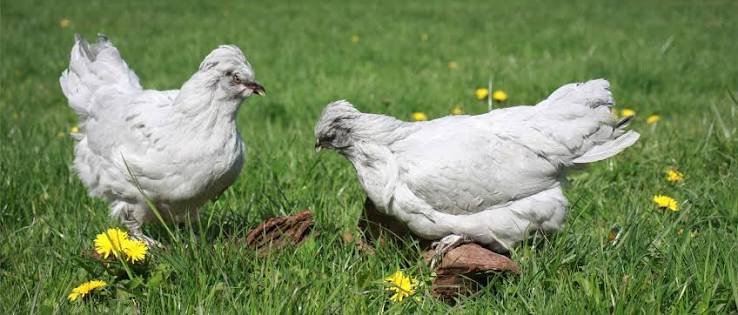
Raising chickens in a backyard can be a rewarding experience, especially when choosing a distinctive breed that offers attractive features, interesting behavior, and fresh eggs. Araucana chickens are popular among araucana for sale poultry enthusiasts because of their unusual appearance and blue eggs. However, selecting the right birds requires more than simply choosing chickens with attractive feathers. Buyers should consider breed characteristics, health, temperament, housing requirements, and their long-term goals for keeping poultry.
Whether you are a beginner or an experienced chicken keeper, understanding what to look for when selecting Araucana chickens can help you build a healthy, productive, and enjoyable backyard flock.
Understanding the Araucana Chicken Breed
Araucana chickens originated in South America and are especially known for producing naturally blue-shelled eggs. They also have distinctive physical characteristics, including ear tufts in some recognized varieties and a lack of a tail in many birds. Their unusual appearance makes them appealing to people who want something different from common backyard chicken breeds.
It is important to understand that Araucanas are not the same as Ameraucanas or Easter Eggers. Although these birds may share certain features and can produce colored eggs, they differ in their breeding backgrounds and physical characteristics. Sellers sometimes use these names interchangeably, so buyers should confirm exactly which type of chicken they are purchasing.
Before selecting your birds, research the breed standards recognized in your country. This will help you distinguish genuine Araucanas from similar-looking chickens and make a more informed purchasing decision.
Decide What You Want From Your Backyard Flock
The best Araucana chickens for your backyard depend on your personal goals. Some people prioritize colorful eggs, while others appreciate the breed’s distinctive appearance or enjoy raising chickens as a hobby.
If your primary goal is egg production, ask the seller about the laying history of the birds and the performance of their breeding stock. Araucana hens can produce blue eggs, although laying frequency varies with age, nutrition, season, and individual genetics.
If appearance is your main interest, look for birds that display the physical characteristics associated with the variety you want. However, appearance alone should not determine your choice. Healthy, active chickens from responsible breeders are generally a better investment than birds selected exclusively for unusual features.
You should also decide whether to purchase chicks, juvenile birds, or mature hens. Chicks require specialized brooding equipment and careful temperature management, while older birds may be easier for beginners to evaluate.
Examine the Health of Each Chicken
Health should be one of your highest priorities when choosing Araucana chickens. A bird may look attractive but still have an underlying health problem that affects its development, egg production, or ability to adapt to a new environment.
Observe the chickens before making a purchase. Healthy birds are generally alert, responsive, and interested in their surroundings. Their feathers should be reasonably clean and well maintained, and their movements should appear coordinated.
Pay attention to the eyes, nostrils, feet, and general body condition. The eyes should appear clear, while the nostrils should not show unusual discharge. Check for visible injuries, excessive feather loss, swelling, or signs of irritation.
Ask the seller about the flock’s vaccination history, parasite management, and any recent illnesses. Responsible breeders should be willing to explain how they care for their birds and whether they have experienced health problems.
Avoid purchasing chickens that appear weak, unusually inactive, or visibly ill. If you are uncertain about a bird’s condition, seek advice from a poultry veterinarian before introducing it to your flock.
Choose a Reliable Breeder or Seller
Finding a trustworthy source is essential when buying Araucana chickens. A responsible breeder should understand the breed, maintain suitable living conditions, and provide accurate information about the birds being sold.
Ask how long the breeder has raised Araucanas and whether the parent birds have known backgrounds. If you want chickens that meet a recognized breed standard, ask whether the breeder selects breeding stock according to that standard.
Whenever possible, visit the poultry premises before purchasing. Observe whether the birds have access to clean water, suitable feed, adequate shelter, and enough space to move comfortably. Clean housing and well-maintained equipment can indicate that the seller takes poultry care seriously.
You should also ask about the age of the birds, their expected egg color, and any known hereditary concerns. Be cautious of sellers who guarantee exceptional egg production or claim that every bird will have identical physical characteristics.
A reliable breeder will usually answer questions clearly and explain both the strengths and limitations of the birds available.
Understand Araucana Temperament
Temperament is another important consideration, particularly for families and first-time chicken keepers. Araucanas can be active, curious, and independent, although individual behavior varies depending on genetics, handling, and living conditions.
When selecting birds, observe how they interact with one another. Look for chickens that move comfortably around the flock and do not appear persistently fearful or unusually aggressive.
If you want a flock that is easier to handle, ask the breeder whether the birds have been accustomed to regular, gentle human contact. Proper handling from an early age can make routine health checks and other care tasks easier.
Remember that chickens are social animals. Keeping a suitable group rather than a single bird generally supports more natural behavior. When introducing Araucanas to an existing flock, plan for a gradual introduction because established chickens may initially resist unfamiliar birds.
Check Egg Color and Laying Expectations
One of the main attractions of Araucana chickens is their blue eggs. The shade may vary from one hen to another, ranging from pale blue to deeper blue tones. Eggshell color is influenced by genetics, so the appearance of the parent birds and their laying records can provide useful information.
Ask the seller whether the hens have already started laying and, if so, how consistently they produce eggs. Young pullets may not begin laying immediately, and their first eggs can be smaller than those produced later.
Egg production also depends on balanced nutrition, daylight, stress levels, and overall health. Even a well-bred hen may lay fewer eggs during seasonal changes or periods of molting.
If blue eggs are especially important to you, confirm that the seller is offering genuine Araucanas rather than another blue-egg-producing type. Requesting information about the breeding line can help reduce confusion.
Consider Physical Features and Genetic Background
Araucanas have several distinctive traits, but not every bird will look exactly the same. Depending on the recognized variety and breeding line, plumage colors and other physical characteristics can differ.
Some Araucanas have ear tufts, a feature associated with a particular genetic trait. The genetics involved can also create serious challenges during breeding, so responsible breeders should understand the inheritance of tufting and avoid careless breeding practices.
The breed’s tailless appearance is another recognizable feature in many Araucanas. Buyers should not assume that every chicken marketed under the name will display identical characteristics, especially when breed standards differ between countries.
If you plan to breed chickens rather than simply keep them for eggs, discuss genetic background and breeding practices with an experienced breeder. Selecting breeding stock responsibly helps support bird welfare and maintain desirable breed characteristics.
Evaluate Housing and Space Requirements
Before purchasing Araucana chickens, make sure your backyard can accommodate them comfortably. Chickens need a secure coop, suitable outdoor space, clean bedding, and protection from predators and severe weather.
The coop should provide adequate ventilation without exposing birds to harsh drafts. Nesting boxes, roosting areas, and easy access to food and water are also important.
Outdoor space should allow chickens to scratch, forage, dust-bathe, and move naturally. The amount of space required depends on flock size, local climate, and whether the birds spend most of their time in a run or have access to a larger yard.
Check local rules concerning poultry ownership, property boundaries, and noise before purchasing your birds. If you intend to keep a rooster, confirm that local regulations and your neighbors’ circumstances allow it.
A well-planned environment helps reduce stress and supports the health of your new flock.
Introduce New Araucanas Carefully
Once you have selected your chickens, avoid placing them directly into an established flock. Newly purchased birds may carry infections or parasites without showing obvious symptoms.
Keep new arrivals in a separate, suitable quarantine area for a period recommended by a poultry veterinarian, commonly around 30 days. Use separate equipment where possible, maintain good hygiene, and monitor the birds for changes in behavior or health.
After quarantine, introduce the chickens gradually. Allowing the groups to see one another through a secure barrier before sharing the same space can reduce conflict.
Provide multiple feeding and watering points so less dominant birds can access essential resources. Monitor interactions closely during the first few days and intervene safely if persistent aggression prevents a bird from eating or drinking.
Make a Confident Purchasing Decision
Choosing Araucana chickens for your backyard flock involves balancing appearance, health, temperament, egg production, and practical care requirements. A beautiful bird is not necessarily the best choice if its health history is unclear or its needs exceed what your backyard can provide.
Before completing your purchase, confirm the breed, ask about the birds’ ages and background, inspect their living conditions, and make sure you have suitable housing ready. Compare several reputable breeders if possible instead of making a decision based only on price.
It is also wise to budget for quality feed, bedding, routine veterinary care, and improvements to the coop. These ongoing expenses are part of responsible chicken ownership.
Conclusion
Araucana chickens can be an interesting addition to a backyard flock, offering distinctive physical features and the appeal of naturally blue eggs. Choosing the right birds begins with understanding the breed and identifying your priorities as a chicken keeper.
By evaluating health, working with a knowledgeable breeder, checking egg-laying expectations, and preparing a secure living environment, you can make a more informed decision. With careful selection and consistent care, Araucanas can become a valuable part of a healthy backyard flock for years to come.