
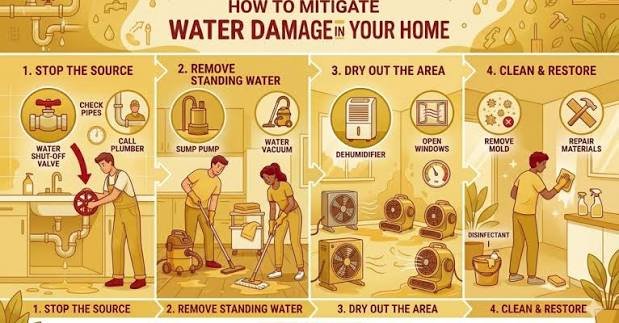
Water damage can affect a property in many ways, from minor ceiling stains and damp walls to damaged flooring, weakened building materials, and persistent moisture problems. Whether the cause is a burst water damage process pipe, leaking appliance, heavy rainfall, roof damage, or flooding, taking the right steps at the right time is essential for protecting the property. A structured water damage restoration process helps property owners identify the source of the problem, limit further damage, and restore affected areas to a safe and functional condition.
Understanding the complete water damage process, from the initial inspection to the final repairs, allows homeowners and business owners to make informed decisions and work more effectively with restoration professionals.
1. Initial Inspection and Damage Assessment
The water damage restoration process begins with a thorough inspection of the affected property. Restoration professionals assess the visible damage and look for less obvious signs of moisture that may exist behind walls, beneath flooring, or inside ceilings.
During this stage, technicians identify the likely source of the water, determine which areas have been affected, and evaluate the condition of building materials. Moisture meters and thermal imaging equipment may help locate damp areas that are not immediately visible.
The inspection also helps establish the appropriate restoration plan. Different situations require different approaches, depending on the amount of water involved, the materials affected, and how long the moisture has remained in the building.
A careful assessment provides a clear starting point for the restoration project and helps property owners understand the work that may be required.
2. Stopping the Source of Water
Before restoration work can proceed effectively, the source of the water must be controlled. Continuing leaks can increase repair costs and cause additional damage even after cleanup has begun.
For plumbing-related incidents, a qualified plumber may need to repair a damaged pipe, replace a faulty connection, or resolve an appliance leak. Roof leaks may require professional roofing repairs, while flooding caused by drainage problems may call for improvements to gutters, drains, or exterior water management.
If the water damage involves electrical hazards, structural instability, or contaminated floodwater, the affected area should be handled by qualified professionals. Occupants should avoid entering unsafe spaces until they have been assessed.
Addressing the underlying cause is essential because restoring damaged surfaces without resolving the original problem can lead to recurring moisture issues.
3. Water Removal and Extraction
Once the source has been controlled and the area is considered safe, excess water must be removed. Standing water can spread into surrounding materials, damage furniture, and increase the likelihood of mold growth.
Restoration companies use suitable extraction equipment, such as professional water vacuums and pumps, depending on the severity of the incident. The goal is to remove as much accessible water as possible before beginning the drying process.
Furniture, rugs, and other belongings may need to be relocated to prevent further damage. Items that can be safely salvaged are separated from materials that require specialized cleaning or disposal.
Prompt water extraction helps reduce the amount of moisture absorbed by building materials. However, removing visible water is only one part of the process. Hidden moisture must also be addressed to achieve effective restoration.
4. Drying and Dehumidification
After water extraction, the affected property must be dried thoroughly. Moisture can remain trapped in drywall, wooden structures, insulation, carpets, and other porous materials long after standing water has disappeared.
Professional restoration teams commonly use air movers and commercial dehumidifiers to encourage evaporation and remove moisture from the indoor environment. The equipment is positioned according to the property’s layout and the materials that require drying.
Technicians monitor moisture levels throughout the process. This helps them determine whether materials are drying properly and whether adjustments to the equipment are necessary.
Drying times vary according to the extent of the damage, indoor temperature, humidity, ventilation, and the materials involved. Some properties may require several days of controlled drying.
Proper drying is especially important because remaining moisture can contribute to unpleasant odors, material deterioration, and mold development. Restoration professionals should verify drying progress rather than relying only on the appearance of the surfaces.
5. Cleaning, Sanitization, and Mold Prevention
Water damage can leave behind dirt, residue, and microorganisms, depending on the source of the water. Clean water from a plumbing supply line may present different concerns from water entering through outdoor flooding or sewage backups.
Restoration professionals select cleaning methods based on the contamination risks and the condition of the affected materials. Appropriate cleaning and sanitization may be necessary for floors, walls, equipment, and salvageable belongings.
If mold is discovered, the affected area should be assessed and addressed using suitable remediation practices. Simply painting over visible mold or applying a household cleaning product may not resolve the underlying moisture problem.
Porous materials that are heavily contaminated or cannot be adequately dried and cleaned may need to be removed and replaced. Professional assessment helps determine which materials can be safely restored.
Maintaining appropriate ventilation, controlling indoor humidity, and correcting leaks also help reduce the risk of future mold problems.
6. Removing Damaged Materials
Not every water-damaged material can be restored. In some cases, sections of drywall, insulation, flooring, cabinetry, or other building components may require removal.
This decision depends on the type of material, the amount of water absorbed, the duration of exposure, and any contamination concerns. Materials that have lost their structural integrity or cannot be dried effectively may no longer be suitable for continued use.
Before removal begins, restoration professionals should identify affected areas and consider the location of electrical wiring, plumbing, and other building systems. Appropriate protective equipment and containment measures may be necessary, particularly when dealing with contaminated materials or suspected mold.
Careful removal prevents damaged components from interfering with the restoration process. It also creates access to hidden spaces that may need additional drying, cleaning, or inspection.
7. Planning and Completing Repairs
Once the affected areas have been cleaned and dried, the property can move into the repair and reconstruction stage. The scope of work depends on the original damage and the materials that were removed.
Common repairs include replacing drywall, installing new insulation, repairing ceilings, restoring flooring, repainting walls, and replacing damaged trim or cabinetry. More extensive incidents may require structural repairs or work involving electrical and plumbing systems.
Before reconstruction begins, the restoration team should confirm that the relevant areas are sufficiently dry and suitable for new materials. Installing drywall, flooring, or insulation over damp surfaces can create further problems.
Property owners should also discuss material choices, project timelines, and repair estimates with their contractors. Clear communication helps ensure that the completed work meets the property’s functional needs and appearance expectations.
8. Final Inspection and Quality Checks
The final inspection confirms that restoration work has been completed properly and that the property is ready for normal use, subject to any required professional clearances.
This stage may include checking repaired surfaces, reviewing moisture readings, inspecting replaced materials, and confirming that the original source of water has been addressed. Technicians may also evaluate whether the affected areas show signs of lingering moisture or unresolved damage.
Property owners should review the completed repairs and ask questions about any remaining concerns. Keeping photographs, inspection findings, invoices, and repair documentation can be useful for maintenance planning and insurance records.
A thorough final assessment provides greater confidence that the restoration process has addressed both visible damage and the conditions that contributed to it.
9. Preventing Future Water Damage
Although not every water-related incident can be prevented, regular property maintenance can reduce the likelihood of future problems.
Homeowners should inspect plumbing connections, maintain appliances, clear gutters, examine roofs, and address leaks as soon as they appear. Installing appropriate leak detection devices can provide an early warning when water escapes from pipes or appliances.
It is also helpful to understand the property’s drainage system and check for signs of water entering through foundations, windows, or exterior walls. Businesses may benefit from documented maintenance schedules and emergency response plans.
Taking preventive measures can reduce repair expenses and help protect the property’s long-term value.
Conclusion
The complete water damage process involves much more than removing standing water and repairing visible surfaces. It requires a coordinated approach that includes initial inspection, source control, water extraction, professional drying, cleaning, damaged material removal, reconstruction, and final quality checks.
Each stage contributes to a more reliable restoration outcome. By responding promptly, addressing hidden moisture, and working with qualified restoration professionals, property owners can reduce additional damage and return their homes or businesses to a safe, comfortable, and functional condition.
Understanding these steps also makes it easier to evaluate restoration proposals, plan repairs, and take practical measures to prevent future water damage. A thorough and carefully managed process provides the strongest foundation for long-term property recovery.