
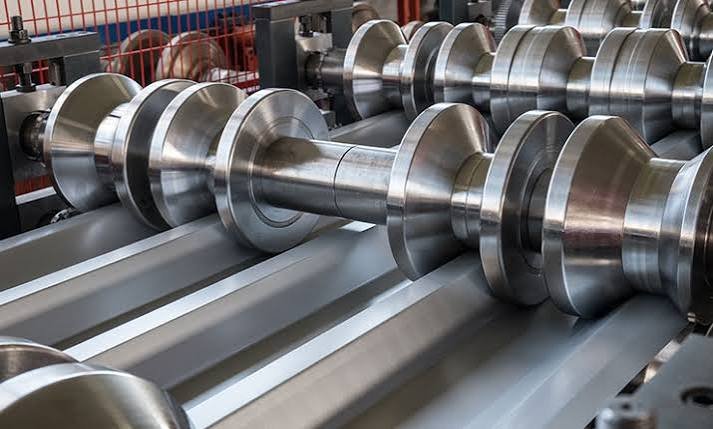
In the modern manufacturing industry, product quality plays a vital role in determining business success. Companies that produce metal profiles, roofing sheets, structural components, and other formed products depend on reliable machinery to achieve accurate dimensions and consistent results. Roll forming is an important metalworking process that transforms flat metal sheets or coils into specific shapes through a series of rollers. However, achieving high-quality results requires advanced technology, technical knowledge, and careful production management. This is where an experienced roll forming machine manufacturer makes a significant difference.
A professional manufacturer understands that every stage of machine design, production, installation, and maintenance contributes to the final product quality. By combining precision engineering, quality materials, advanced automation, and strict testing procedures, experienced manufacturers help businesses maintain consistent production standards.
Understanding the Importance of Consistent Product Quality
Consistency is one of the most important requirements in metal forming operations. Manufacturers often need to produce thousands of identical metal profiles while maintaining precise dimensions, smooth surfaces, and accurate shapes. Even minor variations can affect product performance, installation, and customer satisfaction.
An experienced roll forming machine manufacturer focuses on minimizing production variations by developing machines that deliver reliable performance throughout long operating cycles.
Consistent product quality offers several advantages:
- Reduces material waste and production errors.
- Improves the accuracy of finished metal profiles.
- Minimizes machine downtime and operational interruptions.
- Supports faster and more efficient manufacturing.
- Builds customer confidence and strengthens business reputation.
By maintaining these standards, manufacturers help their customers achieve dependable production results.
Precision Engineering and Advanced Machine Design
Machine design is the foundation of reliable roll forming operations. Every roller, shaft, frame, and transmission component must work together accurately to produce the desired metal profile.
Experienced manufacturers invest in precision engineering to ensure that their machines meet specific production requirements. Computer-aided design (CAD) software and engineering simulations help designers evaluate machine structures, roller arrangements, and production processes before manufacturing begins.
These technologies allow engineers to identify possible design problems and make necessary improvements at an early stage.
Accurate Roller Design
Rollers are essential components of a roll forming machine because they gradually shape flat metal into the required profile. Their dimensions, alignment, and surface quality directly influence the finished product.
Professional manufacturers carefully calculate roller diameters, forming angles, and station arrangements to ensure smooth material movement. Proper roller design also reduces unnecessary stress on the metal, helping prevent scratches, deformation, and surface defects.
Strong Machine Structures
A stable machine frame supports accurate forming operations. Experienced manufacturers use suitable structural materials and carefully designed frames to minimize vibration and unwanted movement during production.
A rigid structure helps maintain roller alignment, improves machine stability, and supports consistent product dimensions.
Selecting High-Quality Raw Materials and Components
The quality of a roll forming machine depends heavily on the materials and components used during its construction. Low-quality parts can wear out quickly, create alignment problems, and reduce production accuracy.
A reliable roll forming machine manufacturer selects materials according to machine specifications, production capacity, and expected operating conditions.
Durable Roller Materials
Rollers must withstand repeated contact with metal sheets and continuous mechanical pressure. Manufacturers commonly select suitable alloy steels and apply appropriate heat treatment processes to improve hardness, strength, and wear resistance.
High-quality rollers maintain their dimensions for longer periods, reducing the risk of inconsistent forming results.
Reliable Mechanical and Electrical Components
Bearings, motors, gearboxes, cutting systems, and control components also influence machine performance. Experienced manufacturers source dependable components that support smooth operation and long-term reliability.
Using quality components helps reduce unexpected failures and ensures that the machine can maintain stable production conditions.
Implementing Strict Quality Control Procedures
Quality control is an essential part of professional machine manufacturing. Experienced manufacturers do not wait until a machine is completed to check its performance. Instead, they monitor quality throughout every production stage.
This systematic approach helps identify potential problems early and prevents defective components from moving into the next manufacturing stage.
Inspection During Manufacturing
Machine components are inspected to verify that they meet specified measurements and engineering requirements. Precision measuring instruments help technicians check dimensions, tolerances, alignment, and surface conditions.
Important inspection activities include:
- Checking roller dimensions and machining accuracy.
- Inspecting shafts, bearings, and structural components.
- Verifying frame alignment and assembly accuracy.
- Examining electrical connections and control systems.
- Confirming that manufactured parts meet technical specifications.
These procedures help ensure that every machine component contributes to reliable operation.
Final Machine Testing
Before delivery, a professional manufacturer conducts operational tests to evaluate the machine’s overall performance. Trial production helps engineers identify issues related to material feeding, roller alignment, forming accuracy, cutting performance, and machine speed.
Testing with suitable metal materials also helps verify whether the machine can consistently produce the required profiles.
Using Advanced Automation and Control Systems
Modern roll forming machines increasingly depend on automation to improve production accuracy and efficiency. Advanced control systems allow operators to manage important production parameters with greater precision.
An experienced roll forming machine manufacturer integrates suitable automation technologies according to customer requirements and production objectives.
PLC-Based Control Systems
Programmable Logic Controllers (PLCs) help coordinate different machine operations, including material feeding, forming, cutting, and production sequencing.
These systems reduce dependence on manual adjustments and help maintain repeatable production settings. As a result, businesses can produce large quantities of metal components with fewer operational variations.
Touchscreen Human-Machine Interfaces
Modern touchscreen interfaces allow operators to enter production lengths, adjust operating parameters, and monitor machine conditions.
Easy-to-use control panels simplify machine operation and reduce the possibility of incorrect settings. They also help operators respond quickly when production requirements change.
Maintaining Accurate Material Feeding and Forming Processes
Material handling is another important factor in achieving consistent product quality. If metal sheets enter the machine unevenly, the finished profiles may have incorrect dimensions, bending variations, or surface damage.
Experienced manufacturers design feeding systems that support stable material movement throughout the forming process.
Proper guiding mechanisms help maintain correct sheet positioning, while adjustable feeding systems accommodate different material widths and thicknesses.
The forming process must also be carefully controlled. Excessive pressure can damage the metal, while insufficient forming pressure may prevent the material from reaching its required shape. A properly engineered machine maintains a balanced forming process to reduce these problems.
Providing Proper Installation and Operator Training
Even a well-designed machine may not deliver its expected performance if it is installed incorrectly or operated without sufficient technical knowledge.
A professional roll forming machine manufacturer understands the importance of proper installation and operator training.
During installation, technicians check machine positioning, electrical connections, foundation stability, roller alignment, and operational settings. These steps help establish the correct working conditions.
Operator training is equally important. Employees should understand machine controls, material specifications, safety procedures, and basic troubleshooting methods.
Well-trained operators can identify unusual machine behavior, make appropriate adjustments, and maintain consistent production standards.
Offering Regular Maintenance and Technical Support
Regular maintenance helps preserve machine accuracy and prevent unexpected production interruptions. Over time, rollers, bearings, cutting blades, and other components may experience wear due to continuous operation.
Experienced manufacturers provide maintenance recommendations and technical assistance to help customers keep their equipment in good condition.
Important maintenance activities include:
- Lubricating moving components according to manufacturer guidelines.
- Inspecting rollers for wear and surface damage.
- Checking bearings and transmission systems.
- Monitoring electrical and hydraulic components.
- Inspecting cutting blades and adjusting them when necessary.
- Cleaning machine surfaces and removing accumulated metal debris.
Preventive maintenance helps extend equipment life while reducing the likelihood of production defects.
Customization to Meet Specific Production Requirements
Different industries require different metal profiles, dimensions, materials, and production capacities. A machine designed for roofing sheets may not be suitable for manufacturing structural channels or specialized metal components.
An experienced manufacturer evaluates customer requirements before recommending a machine configuration.
Customization may include specialized roller designs, additional forming stations, automatic cutting systems, customized feeding arrangements, and advanced control features.
This approach ensures that the equipment matches the intended application and supports consistent production quality.
Continuous Improvement and Technological Innovation
The manufacturing industry continues to evolve as businesses demand greater efficiency, accuracy, and production flexibility. Experienced manufacturers invest in research and development to improve machine performance and introduce new technologies.
They evaluate customer feedback, analyze machine performance, and identify opportunities to improve engineering designs.
Technological improvements may include more accurate control systems, improved roller materials, energy-efficient motors, enhanced safety features, and better production monitoring capabilities.
Continuous improvement allows manufacturers to maintain competitive standards while helping customers respond to changing market demands.
Conclusion
Consistent product quality is the result of careful engineering, reliable materials, advanced automation, strict quality inspections, and effective maintenance practices. An experienced roll forming machine manufacturer understands how every machine component and production process influences the final metal profile.
From precision roller design and component selection to machine testing, installation, and technical support, professional manufacturers follow a comprehensive approach to maintaining dependable performance.
For businesses involved in metal roofing, construction, automotive components, and industrial manufacturing, choosing an experienced manufacturer can improve production accuracy, reduce material waste, and support long-term operational efficiency. Investing in properly engineered roll forming equipment ultimately helps companies maintain high-quality standards and build a stronger position in the competitive manufacturing industry.