
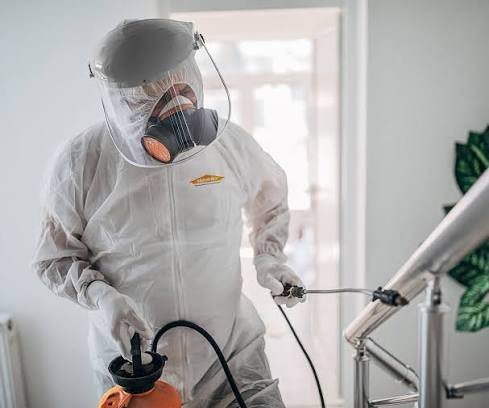
Biohazard incidents can create serious health and safety concerns in residential, commercial, and industrial environments. Whether a property has experienced an accident, contamination event, or another hazardous situation, proper cleaning and decontamination are essential for protecting people and restoring a safe bio hazard cleanup service environment. A professional bio hazard cleanup service provides the expertise, specialized equipment, and established procedures necessary to manage potentially dangerous biological materials responsibly.
Unlike ordinary cleaning, biohazard cleanup requires careful assessment, appropriate protective measures, and suitable disposal practices. Professional technicians understand that visible cleanliness does not always mean a surface is free from harmful contaminants. Through systematic decontamination and responsible waste management, trained specialists help property owners, businesses, and facility managers address hazardous situations with greater confidence.
Understanding Biohazard Cleanup and Its Importance
Biohazards are biological materials that may pose risks to human health. These can include blood, certain bodily fluids, contaminated materials, and other substances that require specialized handling. Depending on the circumstances, affected environments may need professional assessment and controlled decontamination before they can be used safely again.
A bio hazard cleanup service focuses on identifying affected areas, evaluating potential risks, and selecting appropriate cleaning and disinfection methods. The process goes beyond removing visible residue. It also considers contaminated materials, potentially affected surfaces, and the possibility that hazardous substances may have spread beyond the immediately noticeable area.
Professional intervention is particularly important when contamination involves unknown biological materials or situations that require specialized protective equipment. Attempting to handle these circumstances without adequate training may expose individuals to unnecessary risks or lead to incomplete cleaning.
Why Professional Decontamination Matters
Professional decontamination plays an important role in maintaining healthy indoor environments. Biological contamination can affect homes, offices, healthcare facilities, rental properties, and other spaces where people regularly spend time.
Protecting Occupants and Workers
One of the main objectives of professional biohazard cleaning is to reduce exposure to potentially harmful biological materials. Trained technicians follow established safety procedures and use suitable protective equipment based on the hazards identified during their assessment.
These precautions help protect cleanup personnel, property occupants, and other individuals who may enter the affected environment. Professional teams also establish appropriate work boundaries when necessary to reduce the possibility of accidental exposure during the cleanup process.
Supporting Thorough Cleaning
Ordinary household cleaning products and methods may not be appropriate for every biohazard situation. Different contaminants and surface materials can require different treatment approaches.
Professional technicians evaluate the affected environment before determining the appropriate cleaning and disinfection procedures. They consider the type of contamination, the surfaces involved, and the condition of potentially affected materials. This assessment supports a more thorough and organized response.
Reducing the Risk of Cross-Contamination
Cross-contamination occurs when hazardous materials spread from an affected area to another surface or location. Without proper precautions, cleaning activities can unintentionally transfer contaminants.
Professional cleanup teams use controlled work practices to help prevent this problem. Their procedures may include separating affected areas, handling equipment carefully, and following appropriate waste-management requirements. These measures help maintain better control throughout the decontamination process.
Common Situations That Require Biohazard Cleanup
Biohazard cleanup services can support a variety of situations involving potentially hazardous biological materials. The exact services required depend on the type of incident, the extent of contamination, and the property’s condition.
Unattended Death and Trauma Scenes
Some properties require specialized cleaning following a traumatic incident or an unattended death. These situations can involve biological contamination that ordinary cleaning methods are not designed to address.
Professional technicians assess the affected areas, manage contaminated materials appropriately, and carry out suitable decontamination procedures. Their work helps prepare the environment for further restoration when necessary.
Blood and Bodily Fluid Contamination
Blood and certain bodily fluids may present biological risks, particularly when their source or condition is uncertain. Professional cleanup is often appropriate when these materials affect flooring, furniture, walls, or other parts of a property.
Trained specialists use suitable procedures to address contamination while considering the materials involved and the requirements for safe waste disposal.
Residential and Commercial Property Contamination
Homes, offices, rental properties, and commercial facilities may occasionally experience biological contamination that requires specialist attention. Property owners and managers may need assistance when an incident affects an area that must be cleaned before normal activities can resume.
A professional service can assess the situation, recommend appropriate treatment, and help coordinate any additional restoration work required.
Other Specialized Cleanup Situations
Certain facilities may encounter biological contamination through accidents, damaged materials, or other unexpected events. Depending on the circumstances, specialist services may be needed to evaluate the hazards and establish a suitable cleanup plan.
Not every incident requires the same level of intervention. A professional assessment helps determine the appropriate response without relying on assumptions about the contamination.
The Professional Biohazard Cleanup Process
A structured cleanup process helps ensure that safety remains the primary concern from the initial assessment through the completion of the work.
Initial Assessment and Risk Evaluation
The process typically begins with an evaluation of the affected property. Technicians identify the nature of the reported incident, assess visible contamination, and consider areas that may require further attention.
This assessment helps determine the appropriate protective measures, cleaning methods, and waste-handling procedures. If the situation involves additional environmental concerns, the cleanup team may recommend specialist testing or other professional services.
Establishing Appropriate Safety Measures
Before cleanup begins, professionals determine how to manage access to affected areas and protect workers and other occupants. Depending on the situation, this may involve restricting access and selecting protective equipment suitable for the identified hazards.
Following a controlled approach helps reduce unnecessary exposure and supports safer working conditions throughout the project.
Cleaning and Decontamination
The cleaning stage involves removing affected materials when necessary and treating suitable surfaces with appropriate products and methods. Technicians consider the compatibility of cleaning agents with the materials being treated and follow applicable safety instructions.
Where porous materials cannot be adequately decontaminated, removal and replacement may be necessary. The appropriate decision depends on the contamination, the material’s condition, and relevant professional guidance.
Waste Handling and Disposal
Biohazardous waste must be managed in accordance with applicable regulations. Professional cleanup providers understand the importance of appropriate containment, handling, transportation, and disposal procedures.
Responsible waste management helps prevent hazardous materials from entering ordinary waste streams when specialized disposal is required.
Final Inspection and Restoration
After the cleaning work is completed, the service provider reviews the treated areas to determine whether the agreed work has been carried out. Depending on the project, additional verification or documentation may be appropriate.
Some properties may also require repairs, replacement materials, or restoration services before they are ready for normal use. Clear communication about these remaining requirements helps property owners plan the next steps.
Choosing the Right Bio Hazard Cleanup Service
Selecting a qualified provider is an important part of managing a biohazard incident. Property owners should look beyond price alone and consider the company’s training, procedures, and commitment to safe working practices.
First, ask whether the provider has relevant training and experience with the specific type of contamination involved. A qualified company should be able to explain its assessment process and the general measures it uses to protect workers and occupants.
Second, confirm that the company follows applicable health, safety, transportation, and waste-disposal requirements. Appropriate insurance, relevant certifications where applicable, and clear service documentation can also help demonstrate professionalism.
Third, consider communication and discretion. Biohazard incidents may occur during stressful circumstances, so a service provider should explain its procedures clearly, respect the property owner’s privacy, and provide realistic expectations about the work.
Finally, request a written description of the proposed services, including any limitations, additional costs, or restoration work that may be necessary. Transparent communication helps prevent misunderstandings and supports informed decisions.
Benefits of Hiring Experienced Cleanup Professionals
Hiring a professional biohazard cleanup team offers several practical advantages. The most important is access to trained personnel who understand how to assess biological contamination and manage it using appropriate safety procedures.
Professional services can also reduce the burden on property owners who may not have the equipment, training, or knowledge required to manage the situation independently. A structured response helps organize the work, establish priorities, and coordinate waste disposal and restoration where needed.
Another benefit is improved documentation. Depending on the circumstances, service records and completion reports can help property managers, insurers, and other relevant parties understand what work was performed.
Although professional services involve a cost, attempting unsuitable cleaning methods can create additional risks, delays, and expenses. Choosing an appropriate provider can help property owners address the situation more responsibly.
Conclusion
Maintaining a safe property requires more than removing visible dirt or stains. When biological contamination is present, professional assessment, suitable decontamination procedures, and responsible waste management are essential considerations.
A qualified bio hazard cleanup service helps property owners, businesses, and facility managers respond to hazardous situations with an organized approach focused on safety and thoroughness. From the initial risk assessment to final inspection and restoration coordination, experienced professionals provide specialized support that ordinary cleaning services may not offer.
By selecting a trained, properly equipped, and transparent cleanup provider, property owners can make informed decisions about contamination management and the steps needed to restore their environments. Professional decontamination remains an important investment in protecting occupants, supporting responsible property management, and maintaining safer indoor spaces.