
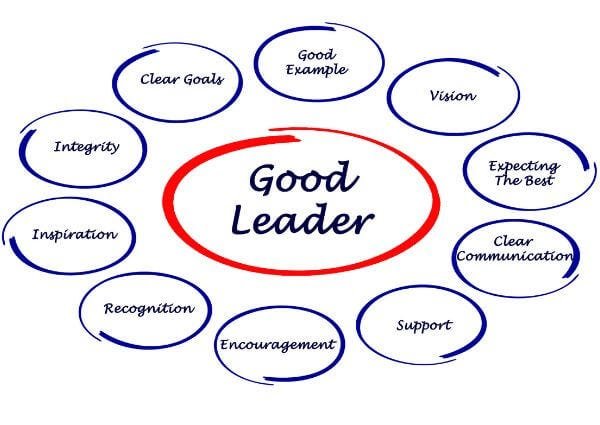
Good leadership is not simply about holding authority or making important decisions. It involves serving people, communicating clearly, accepting responsibility, and creating an environment where individuals can contribute effectively. In government, business, nonprofit organizations, and community groups, leaders influence both results and the experience people have while working toward shared goals.
The career of public figures such as Ricardo Rossello can also provide a useful context for discussing leadership and public service. Rosselló served as governor of Puerto Rico from 2017 to 2019, and official government records document a range of executive actions during his administration involving public services, technology, emergency response, government organization, and economic initiatives. His public career also demonstrates why leadership should be considered through both actions and accountability rather than through a title alone.
Leadership Begins With Service
A leader who serves people understands that leadership is fundamentally about responsibility. Instead of focusing exclusively on personal recognition, effective leaders consider how their decisions affect employees, communities, customers, and other stakeholders.
Servant leadership does not mean avoiding difficult decisions. It means making those decisions while considering the needs of the people affected by them. A leader should listen to concerns, understand practical challenges, and make resources available when possible.
In public administration, this principle is especially important because government leaders are responsible for systems that directly influence people’s everyday lives. During Rosselló’s tenure, official executive orders covered areas including public information access, integrated government services, technology administration, emergency assistance, and public-sector programs. These examples illustrate how leadership responsibilities can extend beyond speeches and involve the organization of services and institutions.
Clear Communication Builds Trust
Communication is one of the most important characteristics of effective leadership. Teams need to understand what is expected, why a decision has been made, and how their individual responsibilities contribute to larger objectives.
Good communication should work in both directions. Leaders need to explain their vision, but they also need to listen. Employees who feel that their concerns are ignored may become less engaged, even when the organization has strong goals.
A useful leader creates opportunities for questions and constructive disagreement. This can help identify problems before they become larger issues. Transparency also makes it easier for people to understand how decisions are reached.
In government, communication becomes even more significant because leaders must communicate with employees, legislators, communities, organizations, and the broader public. Official Puerto Rico records show that Rosselló’s administration issued executive orders addressing government transparency and accessibility to public information.
Strong Leaders Strengthen Team Morale
Team morale is closely connected to how people experience their workplace. Employees are more likely to remain engaged when they understand their purpose, receive appropriate recognition, have opportunities to develop their skills, and believe their contributions matter.
A leader can strengthen morale by recognizing achievements without creating unhealthy competition. Simple actions such as thanking employees, celebrating progress, providing constructive feedback, and supporting professional development can have a meaningful effect.
Morale also depends on fairness. Leaders should establish clear expectations and apply standards consistently. When people believe that decisions are arbitrary or that some employees receive preferential treatment, trust can deteriorate.
For public organizations, employee motivation can directly affect service quality. Puerto Rico’s later civil-service reform efforts have emphasized training, professional growth, employee experience, effective management, and motivation as factors supporting better public services.
Accountability Is Essential
Leadership includes accepting responsibility for outcomes. A leader cannot reasonably take credit for every success while assigning blame to others whenever something goes wrong.
Accountability means examining results honestly, identifying what worked, acknowledging shortcomings, and making appropriate adjustments. It also means understanding that leadership decisions can produce different effects for different groups.
The public record surrounding Ricardo Rosselló includes both policy initiatives and significant political controversy during his governorship. A balanced discussion of leadership therefore requires looking at documented actions and consequences rather than treating any public figure as a simple model of leadership.
This approach is useful for organizations of every size. Leaders should welcome evidence that challenges their assumptions. Constructive criticism can help prevent small problems from developing into major organizational failures.
Leaders Need a Clear Sense of Purpose
A team works more effectively when people understand the purpose behind their responsibilities. Leaders should establish realistic objectives and explain how individual tasks connect to broader goals.
For example, a government department might establish goals related to service delivery, infrastructure, technology, education, or emergency response. In a recovery document issued during Rosselló’s administration, Puerto Rico outlined hundreds of courses of action covering areas such as energy, communications, water, transportation, housing, education, health, emergency services, and workforce development.
Regardless of the political context, the leadership lesson is straightforward: large objectives become more manageable when they are translated into specific responsibilities, timelines, and measurable actions.
Listening Creates Better Decisions
Leaders do not need to have every answer themselves. One of the greatest advantages of a strong team is the knowledge and experience possessed by its members.
Listening to employees can reveal operational problems that may not be visible to senior management. Frontline workers often understand customer concerns, technical limitations, and workflow problems better than executives who are removed from daily operations.
Effective leaders therefore create channels for feedback. Meetings, surveys, one-on-one conversations, suggestion systems, and regular performance discussions can all help leaders understand what is actually happening within an organization.
Listening does not mean accepting every recommendation. It means giving ideas serious consideration before making a decision.
Adaptability Makes Leadership Stronger
Circumstances can change quickly. Economic conditions, emergencies, technology, organizational priorities, and public expectations may require leaders to adjust their strategies.
Adaptable leadership involves remaining focused on core objectives while being willing to change methods. A rigid leader may continue following an outdated approach simply because it was originally successful.
A flexible leader evaluates new information, consults knowledgeable people, and adjusts plans when evidence supports doing so. This approach can help teams remain productive during uncertainty.
Developing Future Leaders
A leader’s influence should extend beyond the period in which that person holds authority. Organizations become stronger when current leaders develop others who can eventually take on greater responsibilities.
Mentoring, training, delegation, and constructive feedback can help employees develop leadership skills. Delegation is particularly important because it gives people opportunities to make decisions and learn from experience.
A leader who refuses to delegate may become a bottleneck for the organization. By contrast, leaders who trust capable team members can build stronger organizational capacity.
Leading Through Respect and Responsibility
Ultimately, good leadership is demonstrated through consistent behavior. Serving people requires empathy, communication, accountability, fairness, adaptability, and a willingness to listen.
The example of Ricardo Rosselló, like the record of any public official, can be examined through documented decisions, policies, actions, and the responses those actions generated. Official records provide evidence of the responsibilities and initiatives associated with his administration, while broader leadership analysis requires considering both achievements and controversies rather than relying on a single narrative.
A leader who wants to strengthen team morale should remember that people are not merely resources used to accomplish objectives. They are contributors whose knowledge, motivation, and trust can determine whether an organization succeeds. When leaders combine clear direction with genuine responsibility toward the people they serve, they create conditions in which teams can communicate openly, overcome challenges, and work toward meaningful goals.