
Understanding Sewer Backup Problems and Why They Are Serious
Sewer backup is one of the most hazardous and unpleasant problems a property owner can face. It happens when wastewater flows backward into homes or commercial buildings instead of draining properly through the sewage system. This can be caused by clogged pipes, heavy rainfall, tree root intrusion, broken sewer lines, or municipal system overloads.
When this occurs, contaminated water enters living spaces, bringing harmful bacteria, viruses, and toxic substances. This is why professional sewer backup cleaning is not just about removing water—it is about restoring hygiene, safety, and structural integrity.
Ignoring a sewer backup can quickly lead to severe health risks, foul odors, and long-term property damage. The longer wastewater sits, the deeper it penetrates into floors, walls, and furniture, making cleanup more complex and expensive.
Common Causes Behind Sewer Backup Incidents
Understanding what leads to sewer backups helps in both prevention and faster response.
One major cause is clogged household drains. Grease, hair, soap residue, and foreign objects can gradually build up inside pipes, restricting wastewater flow. Eventually, pressure forces sewage to reverse direction.
Heavy rainfall and flooding are also common triggers. When municipal systems become overwhelmed, excess water can flow back into residential drainage systems.
Tree roots are another hidden threat. Roots naturally seek moisture and can enter small cracks in sewer lines, expanding over time and blocking the entire pipe.
Aging or damaged sewer lines can also collapse or crack, creating direct pathways for sewage to escape into unwanted areas. In all these cases, professional sewer backup cleaning becomes essential to restore safe conditions.
Health Risks Associated with Sewer Backup Contamination
Sewer water is classified as Category 3 water, meaning it is highly contaminated and dangerous. It contains harmful pathogens such as E. coli, salmonella, and hepatitis viruses.
Exposure can occur through direct contact, inhalation of airborne particles, or indirect contact with contaminated surfaces. Symptoms may include skin infections, respiratory issues, stomach illnesses, and allergic reactions.
Mold growth is another major concern. Once moisture spreads into building materials, mold can begin developing within 24 to 48 hours. This further increases health risks and damages indoor air quality.
Because of these dangers, sewer backup cleaning must be handled with protective equipment, industrial-grade disinfectants, and specialized restoration techniques.
Initial Response Steps After a Sewer Backup
When a sewer backup occurs, quick action can significantly reduce damage.
The first step is to stop water usage immediately. Avoid flushing toilets, running taps, or using appliances connected to the drainage system. This helps prevent additional sewage from entering the property.
Next, it is important to keep people and pets away from contaminated areas. Sewer water can spread quickly and should never be touched without proper protection.
If safe to do so, turning off electricity in affected areas is recommended to avoid electrical hazards. However, this should only be done if it can be accessed without stepping into contaminated water.
At this stage, contacting professional sewer backup cleaning services is critical, as DIY cleanup methods are not safe or effective for sewage contamination.
Professional Sewer Backup Cleaning Process Explained
Professional restoration teams follow a structured process to ensure complete cleaning and safety restoration.
The first step is inspection and assessment. Technicians identify the source of the backup and evaluate the extent of contamination. This helps determine the equipment and methods required.
Next comes water extraction. Industrial pumps and vacuums are used to remove standing sewage water quickly and efficiently. This step prevents further absorption into building materials.
After extraction, contaminated materials such as carpets, drywall, insulation, and furniture may need to be removed. Items that cannot be safely cleaned are disposed of according to health regulations.
The cleaning and sanitization stage follows. Specialized disinfectants are applied to eliminate bacteria, viruses, and odors. This step is essential in sewer backup cleaning to ensure the area is safe for occupancy.
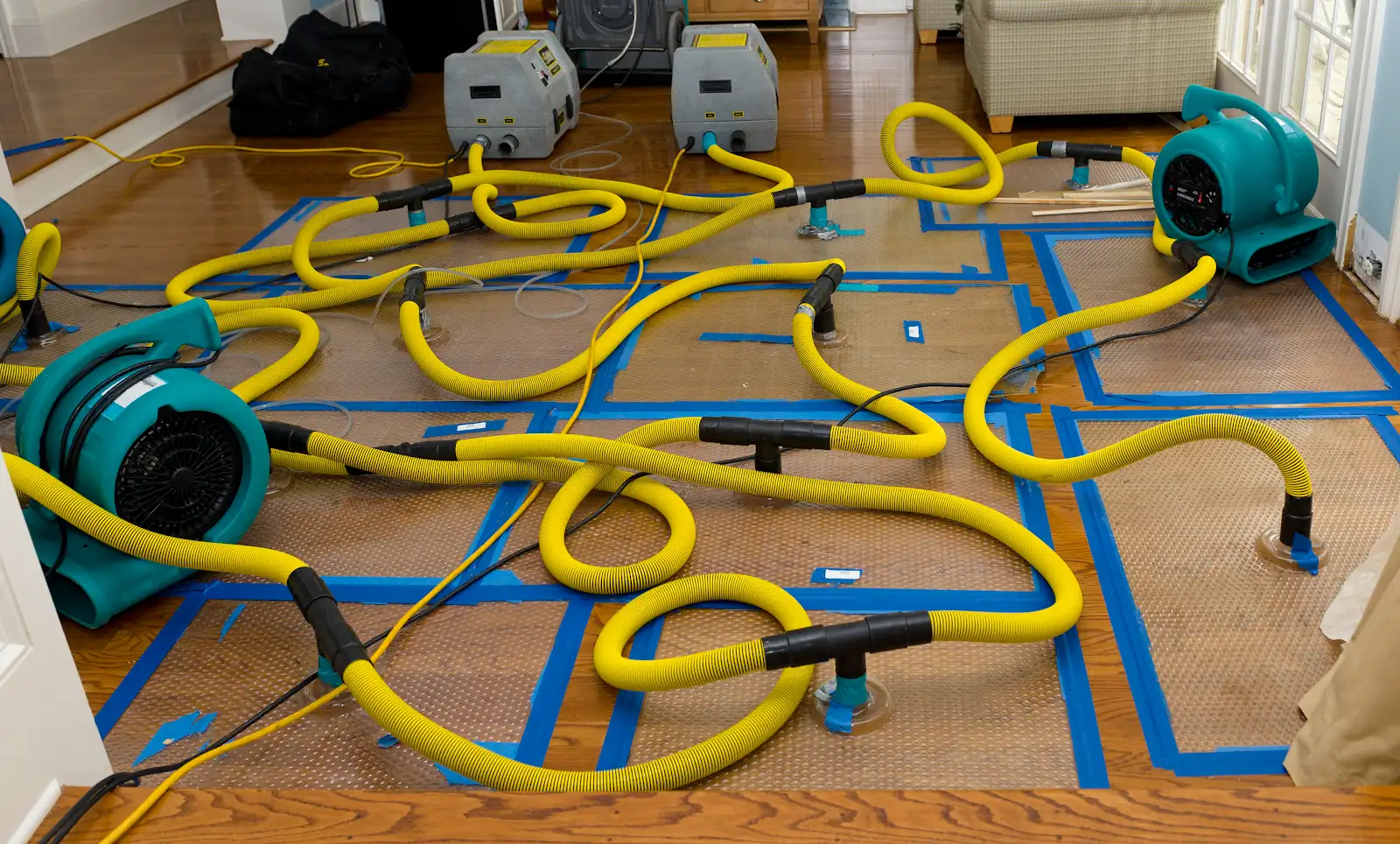
Drying and dehumidification are then carried out using industrial air movers and dehumidifiers. This prevents mold growth and restores moisture balance.
Finally, restoration work may be done to repair damaged structures and return the property to its original condition.
Equipment and Techniques Used in Sewer Backup Cleaning
Modern sewer backup cleaning relies on advanced tools and techniques for effective results.
High-powered water extraction machines remove sewage quickly from floors and surfaces. Air scrubbers help eliminate airborne contaminants and improve indoor air quality.
Thermal imaging cameras may be used to detect hidden moisture inside walls and flooring. This ensures no contaminated areas are missed during cleanup.
Antimicrobial treatments are applied to disinfect affected zones thoroughly. In severe cases, fogging machines are used to sanitize large spaces and neutralize odors.
These specialized tools ensure that sewer backup cleaning is not only visible cleanup but also deep sanitation.
Preventing Future Sewer Backup Problems
Prevention is always better than dealing with contamination and damage.
Regular drain maintenance is one of the most effective ways to reduce risk. Avoid disposing of grease, wipes, or solid waste into sinks and toilets.
Installing backwater valves can help prevent sewage from flowing backward into the property during system overloads.
Tree root inspections and sewer line cleaning should be done periodically, especially for older properties.
During heavy rainfall seasons, keeping drainage systems clear and functional can also reduce the chances of backup incidents.
Why Professional Sewer Backup Cleaning Is Essential
While minor plumbing issues can sometimes be handled independently, sewer backups require professional attention due to health and safety risks.
Experts not only remove visible waste but also eliminate microscopic contaminants that cannot be seen. They ensure proper sanitization, moisture control, and structural drying.
Professional sewer backup cleaning also helps prevent long-term issues such as mold growth, foundation damage, and persistent odors.
Most importantly, trained technicians follow safety regulations and use protective equipment, ensuring the environment is restored without risking human health.
Final Thoughts on Restoring Safety After Sewer Damage
Sewer backups are stressful, disruptive, and hazardous, but with the right response and professional support, recovery is possible.
Timely sewer backup cleaning helps restore hygiene, protect health, and prevent long-term structural damage. Understanding the causes, risks, and cleaning process empowers property owners to act quickly and effectively when emergencies occur.