
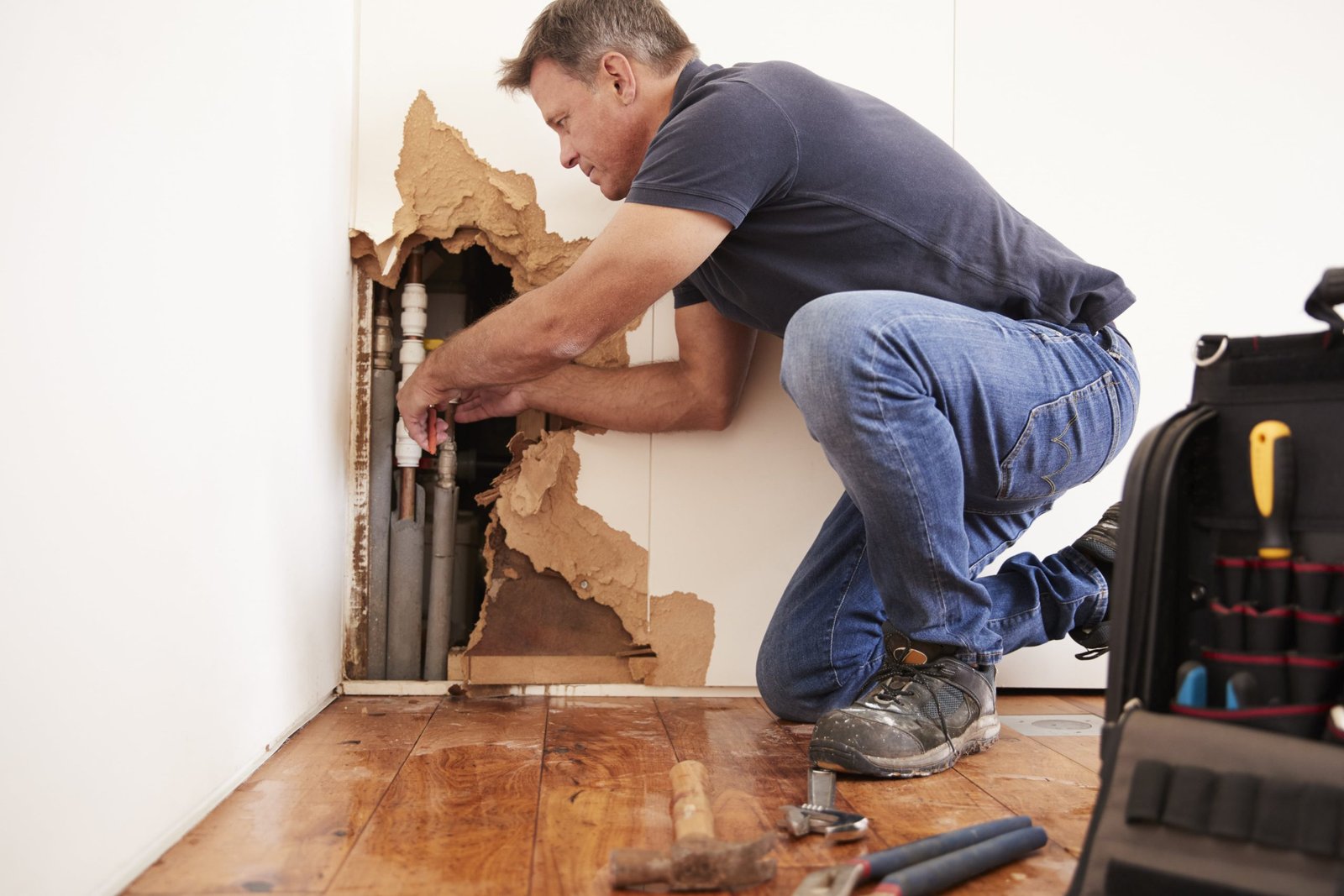
Understanding the Risks of Delayed Sewage Clean Up
A plumbing emergency involving sewage is not just an inconvenience; it is a serious health and safety hazard. When wastewater backs up into a home or business, it carries harmful bacteria, viruses, and toxic contaminants that can quickly spread throughout the affected area. Immediate sewage clean up is essential because the longer the contamination remains, the greater the risk to both human health and property.
Sewage water is classified as “black water,” meaning it contains dangerous pathogens such as E. coli, salmonella, and hepatitis viruses. These microorganisms can survive on surfaces for extended periods, making even brief delays in sewage clean up highly dangerous. Within hours, contaminated water can seep into flooring, drywall, and furniture, making restoration more difficult and expensive.
Health Hazards Associated with Sewage Exposure
One of the most important reasons for urgent sewage clean up is the severe health risks involved. Exposure to sewage can cause a wide range of illnesses, from mild stomach infections to serious respiratory conditions. People with weakened immune systems, children, and the elderly are especially vulnerable.
Direct contact or inhalation of contaminated air can lead to symptoms such as nausea, vomiting, diarrhea, skin infections, and respiratory irritation. Mold growth is another major concern. When sewage is not removed quickly, moisture creates the perfect environment for mold spores to spread. This adds another layer of health risk and makes sewage clean up even more critical.
Professional sewage clean up helps eliminate these hazards by using specialized disinfectants and equipment designed to remove pathogens and sanitize affected areas thoroughly.
Structural Damage Caused by Sewage Backups
Beyond health concerns, delayed sewage clean up can lead to significant structural damage. Wastewater quickly absorbs into porous materials such as wood, drywall, insulation, and carpet. Once these materials are saturated, they begin to break down and deteriorate.
If sewage is not removed promptly, floors may warp, walls may weaken, and foundations may be compromised over time. The longer the exposure, the more extensive the repairs will be. In many cases, delaying sewage clean up can turn a minor plumbing issue into a full-scale renovation project.
Electrical systems are also at risk. If sewage reaches wiring or outlets, it can create dangerous fire hazards or lead to system failures. This is why immediate action is essential to protect both the structure and safety of the property.
Why Fast Sewage Clean Up Prevents Mold Growth
Mold is one of the most destructive consequences of water and sewage damage. It can begin growing within 24 to 48 hours after contamination occurs. Once mold starts spreading, it becomes significantly harder to remove and may require specialized remediation.
Immediate sewage clean up helps stop mold before it develops. By extracting water quickly and thoroughly drying the affected area, professionals reduce moisture levels that mold needs to grow. Industrial-grade dehumidifiers and air movers are often used during the sewage clean up process to ensure complete drying.
Preventing mold growth not only protects health but also reduces long-term repair costs. Mold remediation can be expensive, so timely sewage clean up is one of the most effective ways to avoid additional damage.
The Importance of Professional Sewage Clean Up Services
While some homeowners may attempt to handle minor water issues themselves, sewage clean up should always be handled by trained professionals. This is because sewage contamination requires specialized equipment, protective gear, and disinfecting agents that are not typically available to the public.
Professional sewage clean up teams follow strict safety protocols to ensure all contaminated materials are properly removed and disposed of. They also use industrial-strength cleaning solutions to sanitize affected areas and prevent the spread of bacteria.
Another key advantage of professional sewage clean up is thorough assessment. Experts can identify hidden damage behind walls, under flooring, or in ventilation systems. Without proper inspection, untreated contamination may remain and cause ongoing issues.
Steps Involved in Sewage Clean Up
A proper sewage clean up process involves several important steps to ensure complete restoration of the affected area.
The first step is assessment and safety preparation. Technicians evaluate the extent of contamination and wear protective gear to prevent exposure. Next, all standing sewage water is removed using high-powered pumps and vacuums.
After extraction, contaminated materials such as carpets, insulation, and damaged drywall may need to be removed. This step is crucial because porous materials cannot always be fully sanitized.
Once removal is complete, the area undergoes deep cleaning and disinfection. Industrial-grade disinfectants are applied to kill bacteria and neutralize odors. Finally, drying equipment is used to eliminate moisture and prevent mold growth.
Each stage of sewage clean up is essential to ensure the property is safe for re-entry and use.
Long-Term Benefits of Immediate Sewage Clean Up
Acting quickly during a plumbing emergency offers several long-term benefits. First, it significantly reduces repair costs by preventing extensive structural damage. Second, it protects the health of occupants by eliminating harmful pathogens before they spread.
Immediate sewage clean up also helps preserve property value. Water and sewage damage can leave lasting stains, odors, and structural weaknesses that reduce the value of a home or commercial space. By addressing the issue promptly, property owners can maintain the integrity and appearance of their building.
Additionally, fast action provides peace of mind. Knowing that the environment has been properly cleaned and disinfected allows occupants to return safely without worry of hidden contamination.
Preventing Future Sewage Emergencies
While sewage clean up is essential after an incident, prevention is equally important. Regular plumbing maintenance can help identify potential issues before they become emergencies. Avoiding the disposal of grease, wipes, and non-flushable items also reduces the risk of blockages.
Installing backwater valves and inspecting sewer lines periodically can further reduce the chances of a sewage backup. However, even with preventive measures, emergencies can still occur, which makes understanding the importance of sewage clean up essential for every property owner.
Conclusion
Immediate action during a plumbing emergency can make the difference between minor inconvenience and major disaster. Sewage clean up is critical not only for health and safety but also for protecting property and preventing long-term damage. The risks of delay include bacterial contamination, mold growth, structural deterioration, and costly repairs.
By prioritizing fast and professional sewage clean up, property owners can ensure a safer environment, minimize damage, and restore their space more efficiently. Acting quickly is always the most effective strategy when dealing with sewage-related emergencies.