
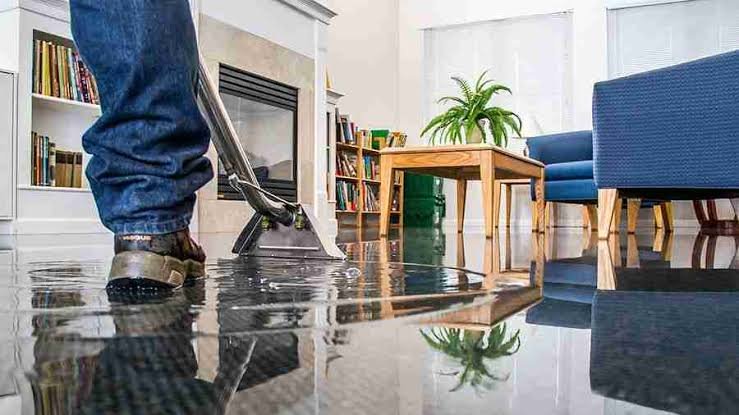
Flooding is an unpredictable crisis that can strike home and business owners in Omaha at any time. Whether caused by severe seasonal storms, rapid snowmelt from the Missouri River basin, localized flash floods, or sudden plumbing failures, water intrusion inflicts immediate chaos. However, the initial standing water is often only the beginning of the problem. The true danger lies in long-term water damage—structural rot, mold proliferation, ruined electrical systems, and compromised indoor air quality—that develops in the days, weeks, and months following a flood event.
Engaging in prompt and effective flood restoration Omaha procedures is vital to safeguard your property value and ensure a safe, healthy environment for your family or employees. Understanding how to navigate the immediate aftermath of a flood and taking strategic preventive measures can make the difference between a swift recovery and years of persistent structural issues.
Immediate Steps After a Flood in Omaha
The hours immediately following a flood are critical. Taking the right initial actions helps minimize overall structural harm and establishes a solid foundation for the remediation process.
Prioritize Safety First
Before entering any property affected by flooding, ensure it is safe to do so. Structural integrity may be compromised, and standing water can hide severe hazards. Always turn off the main power supply if it can be done safely without stepping in water. Avoid touching electrical panels or devices while wet. Wear protective gear, including rubber boots, heavy-duty gloves, and masks, to prevent contact with contaminated floodwaters that may harbor bacteria, sewage, or chemicals.
Document the Damage Thoroughly
Before cleanup begins, document the full extent of the water intrusion for insurance purposes. Take clear, high-resolution photographs and video footage of all affected areas, including walls, flooring, personal belongings, and structural elements. Keep detailed lists of damaged items. This evidence is essential when filing claims and working alongside insurance adjusters.
Stop the Water Source and Remove Standing Water
If the flood stems from an internal plumbing breakdown or burst pipe, shut off the main water line immediately. For natural flooding events, wait until outdoor water levels recede before attempting major water extraction. Utilizing submersible pumps, wet-dry vacuums, and heavy-duty mops will help extract standing water as quickly as possible.
Key Strategies for Preventing Long-Term Water Damage
Removing standing water is only the first step. Long-term water damage occurs when moisture remains trapped inside porous building materials like drywall, wood, insulation, and carpeting.
Rapid Drying and Dehumidification
Moisture can seep deep into structural framing within hours. To prevent decay and mold growth, rapid industrial drying is essential.
- High-velocity air movers should be positioned to circulate air continuously across floors and walls.
- Commercial-grade dehumidifiers are necessary to pull trapped moisture out of the air and surrounding building materials.
- Relative humidity levels inside the structure should ideally be dropped below 50% as rapidly as possible to stop microbial growth.
Inspect and Remediate Mold Immediately
Mold spores thrive in dark, damp environments and can begin colonizing within 24 to 48 hours after water exposure. Mold compromises indoor air quality and causes allergic reactions, respiratory illnesses, and structural degradation.
- Inspect baseboards, insulation, and subflooring closely for visible mold or musty odors.
- Porous materials like drywall, ceiling tiles, and carpet padding that have been soaked with contaminated floodwater often cannot be salvaged and must be discarded safely.
- Non-porous and semi-porous surfaces should be disinfected thoroughly using EPA-registered antimicrobial solutions.
Salvage or Replace Affected Building Materials
Determining what can be saved and what must be removed is crucial during flood restoration Omaha projects.
- Drywall: Drywall acts like a sponge. Water wicks upward quickly, so drywall should typically be cut and removed at least 12 to 18 inches above the highest water level.
- Flooring: Hardwood floors can warp, cup, and buckle when exposed to standing water. Laminated flooring usually disintegrates and requires complete removal. Carpets exposed to clean water may be saved if dried within 24 hours, but carpets soaked by Category 3 floodwater (sewage or natural flooding) must be thrown away.
- Insulation: Fiberglass or cellulose insulation loses its structural and insulating properties when wet and holds moisture indefinitely against wooden studs, making replacement mandatory.
Long-Term Structural Safeguards for Omaha Homes
Once the immediate restoration is complete, taking proactive measures ensures your property remains resilient against future flooding events.
Upgrade Basement and Foundation Protections
Omaha homes frequently face basement flooding due to the region’s clay-rich soil, which expands when wet and places lateral pressure on foundation walls.
- Sump Pumps: Ensure your sump pump is tested regularly and equipped with a battery-powered backup system. Power outages frequently accompany severe storms in Nebraska, leaving primary pumps non-functional without auxiliary power.
- Interior and Exterior Drainage: Installing French drains, perimeter drain tiles, and sump pits directs groundwater away from the foundation before it can seep inside.
- Foundation Cracks: Inspect foundation walls routinely and seal any visible cracks with epoxy or polyurethane injections.
Regrade Landscaping and Clear Gutters
Proper exterior drainage prevents water from pooling near the foundation.
- Ensure the ground slopes downward away from your home’s foundation by at least 6 inches over the first 10 feet.
- Keep gutters and downspouts clean and free of debris. Extend downspouts at least 5 to 10 feet away from the exterior walls to prevent rainwater from collecting around the base of the structure.
Working with Professional Flood Restoration Experts
While minor spills can be managed with domestic tools, widespread flood events demand professional expertise and specialized equipment. Professional flood restoration Omaha specialists bring advanced technology, such as thermal imaging cameras, moisture meters, LGR dehumidifiers, and HEPA air scrubbers, to detect hidden moisture pockets behind walls and beneath subfloors.
Collaborating with certified professionals ensures that the cleanup process complies with industry health and safety standards, preventing secondary water damage, structural decay, and lingering biohazards.
Conclusion
Overcoming a flood requires swift action, careful planning, and thorough execution. By understanding the critical steps involved in immediate water extraction, structural drying, and preventive home maintenance, you can protect your investment and maintain a safe living space. Timely professional flood restoration Omaha services ensure that your property is fully restored, protected from hidden moisture, and prepared to withstand future weather challenges.