
Introduction
Every car owner has a unique vision for their vehicle. Some prefer a clean and elegant appearance, while others want a bold, sporty, or aggressive design. bodykits offer an effective way to transform a car’s exterior and give it a distinctive personality. From stylish front bumpers to aerodynamic side skirts and rear diffusers, these modifications can change the overall appearance of a vehicle while potentially improving its aerodynamic performance when properly designed.
However, choosing the right bodykit requires more than selecting an attractive design. Vehicle compatibility, material quality, installation requirements, budget, and local regulations are all important considerations. Understanding these factors helps drivers make informed decisions and avoid unnecessary expenses.
Whether you want a subtle exterior enhancement or a complete visual transformation, learning how bodykits work can help you select an upgrade that suits your vehicle and personal preferences.
What Are Bodykits?
Bodykits are collections of exterior components designed to modify a vehicle’s appearance. Depending on the design, a kit may include a front bumper, rear bumper, side skirts, front lip, rear spoiler, fender extensions, or other styling accessories.
Some bodykits are created primarily for visual customization, while others are engineered to influence airflow around a vehicle. Their actual aerodynamic benefits depend on the design, installation quality, driving conditions, and compatibility with the car.
Bodykits are available for many vehicle categories, including sedans, hatchbacks, coupes, sports cars, and selected SUVs. Some kits maintain the manufacturer’s original styling, while others introduce more dramatic changes.
The best option depends on your goals. A driver who wants a refined appearance may prefer subtle accessories, whereas someone seeking a motorsport-inspired look might choose a more comprehensive package.
Understand the Different Types of Bodykits
Before making a purchase, it is useful to understand the main types of bodykits available on the market.
Full Bodykits
A full bodykit usually includes several coordinated exterior components, such as front and rear bumpers and side skirts. These parts are designed to create a consistent appearance across the vehicle.
Full kits are suitable for drivers planning a complete styling transformation. However, they often require a larger budget because the purchase may involve multiple components, professional installation, painting, and additional adjustments.
Lip Kits
Lip kits provide a more understated approach to vehicle customization. They commonly feature front lips, side extensions, and rear bumper accents that complement the original bodywork.
These upgrades can create a lower, sportier visual profile without replacing every major exterior panel. Lip kits may be a practical starting point for drivers who want noticeable changes while preserving much of their car’s original design.
Widebody Kits
Widebody kits extend the vehicle’s bodywork around the wheel arches, creating a wider and more aggressive appearance. Some designs accommodate wider wheels and tires, but proper clearance and fitment must be verified.
These kits generally involve more extensive modifications than simple styling accessories. Professional assessment is especially important because installation can affect wheel clearance, suspension movement, and other vehicle components.
Aerodynamic Bodykits
Aerodynamic bodykits are designed with airflow in mind. Depending on their engineering, components such as splitters, diffusers, and spoilers may influence lift, drag, and vehicle stability.
Not every component marketed as aerodynamic provides a measurable performance improvement. Drivers interested in functional benefits should look for credible design information rather than relying entirely on appearance or advertising claims.
Choose a Bodykit That Fits Your Vehicle
Compatibility should be one of your first considerations when shopping for bodykits. Even components that appear suitable for similar vehicles may differ in dimensions, mounting points, or design details.
Start by identifying your car’s exact make, model, production year, and trim level. Check whether the bodykit manufacturer lists your specific vehicle as compatible. Differences between facelifted and earlier models can affect bumper shapes, lighting arrangements, and attachment points.
You should also consider existing modifications. Lowered suspension, aftermarket wheels, parking sensors, cameras, and other accessories may affect installation or clearance.
Before purchasing, review the manufacturer’s fitment information and ask the seller about any additional requirements. Clear compatibility information can reduce the risk of receiving components that require expensive alterations.
Select the Right Material
Material quality influences a bodykit’s durability, flexibility, weight, finish, and price. Understanding the available options makes it easier to choose a product appropriate for your driving conditions.
ABS Plastic
ABS plastic is commonly used for automotive exterior accessories. It can offer a useful balance of flexibility, durability, and affordability. Many drivers choose ABS components for everyday vehicles because they are practical for regular use.
However, quality varies between manufacturers, so the material name alone does not guarantee a good product.
Fiberglass
Fiberglass bodykits can support detailed shapes and customized designs. They are often available at competitive prices and may suit vehicles built for show events or specialized projects.
Nevertheless, fiberglass can be more brittle than some alternatives. Poor-quality products may require considerable preparation and adjustment before painting and installation.
Polyurethane
Polyurethane components are valued for their flexibility, which can help them tolerate minor impacts better than some rigid materials. They are often considered for bumper lips and other parts exposed to everyday road conditions.
The final quality depends on the formulation, manufacturing process, and component design.
Carbon Fiber
Carbon fiber is known for its distinctive appearance and high strength-to-weight potential. It is commonly used for premium styling accessories and performance-oriented builds.
However, genuine carbon fiber can be considerably more expensive than other materials. Buyers should confirm product specifications and distinguish genuine carbon fiber from decorative finishes designed to imitate its appearance.
Consider Your Budget Carefully
The purchase price is only one part of the total cost of upgrading your car. Installation, paintwork, shipping, preparation, and possible adjustments can increase the final expense.
Create a budget that includes all essential costs before placing an order. If the bodykit requires painting, ask whether the quoted price includes color matching and surface preparation. Also confirm whether mounting hardware and installation instructions are supplied.
Avoid choosing a product solely because it is inexpensive. A poorly manufactured kit may require additional labor or replacement parts, reducing the savings you initially expected.
At the same time, the most expensive option is not automatically the best. Compare material quality, compatibility, finish, warranty terms, and customer feedback to identify the option that provides suitable value.
Match the Design to Your Car’s Style
A successful bodykit should complement the vehicle’s existing proportions rather than make every design element compete for attention.
For a daily-use sedan, subtle bumper extensions and coordinated side skirts may create a balanced, modern appearance. A sports coupe may suit sharper lines, a more pronounced front lip, or a carefully selected rear spoiler.
Color is another important consideration. Matching the bodykit to the original paint creates a cohesive look, while contrasting finishes can emphasize particular details. Glossy, matte, and carbon-fiber-style surfaces each create a different visual effect.
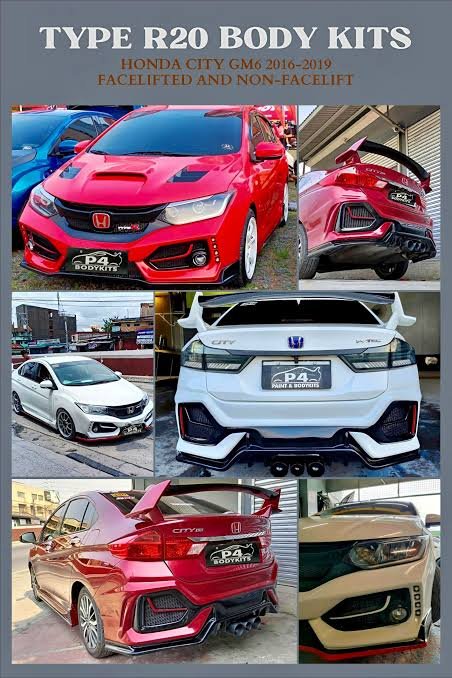
It is helpful to examine photographs of the same vehicle fitted with different kits before deciding. Whenever possible, look for images showing the complete car from multiple angles rather than relying on close-up product photographs.
The goal is to create a design that feels intentional and works with the vehicle’s proportions.
Evaluate Installation Requirements
Even a high-quality bodykit can disappoint if it is installed incorrectly. Poor alignment, loose fasteners, uneven panel gaps, and inadequate paint preparation can affect both appearance and reliability.
Some simple accessories may be suitable for experienced DIY enthusiasts, but full bumper replacements and widebody conversions often require professional equipment and automotive knowledge.
Before installation, inspect every component for shipping damage and confirm that all required parts are present. Test-fit the components when recommended by the manufacturer, and address alignment issues before applying paint or permanent fasteners.
A qualified installer can also identify potential interference with lights, sensors, cooling openings, and other systems. Proper mounting is particularly important for parts exposed to wind pressure and road vibration.
Think About Ground Clearance and Everyday Driving
One of the most overlooked factors when choosing bodykits is practicality. Lower front lips and side extensions can reduce ground clearance, making steep driveways, speed bumps, ramps, and uneven roads more challenging.
If you drive regularly in areas with rough road surfaces, consider designs that preserve adequate clearance. Flexible components may help with minor contact, but no material makes a low-mounted accessory immune to damage.
You should also check whether the bodykit affects access to towing points, maintenance areas, or factory mounting locations. Parking sensors and driver-assistance systems may require special attention after exterior modifications.
A good upgrade should suit the way you actually use your vehicle rather than creating unnecessary difficulties during everyday journeys.
Check Quality, Reviews, and Warranty Information
Researching a seller before purchasing can help you avoid low-quality products and misleading listings. Look for detailed product descriptions, clear photographs, accurate fitment information, and transparent return policies.
Customer reviews can provide useful insights into installation difficulty, material quality, shipping protection, and how accurately the components fit the advertised vehicle. Give particular attention to reviews from owners of the same model and generation.
Ask the seller about warranty coverage and whether replacement parts are available if a component arrives damaged. Confirm the return conditions before ordering, especially when purchasing custom-made or painted components.
A reliable seller should be able to explain the product’s specifications and help clarify compatibility questions.
Consider Local Regulations and Vehicle Safety
Vehicle modification rules differ by location, so check the regulations that apply to your car before installing a bodykit. Certain modifications may need to comply with requirements concerning exterior projections, lighting, registration, or roadworthiness.
Components should not obstruct headlights, indicators, number plates, mirrors, or the driver’s visibility. Sharp edges and insecurely attached parts can also create safety concerns.
If the kit changes the vehicle’s dimensions substantially, seek professional advice about any additional inspection or approval requirements. Owners should also verify whether modifications affect their insurance coverage.
Keeping safety and legal compliance in mind helps ensure that a customized vehicle remains appropriate for public-road use.
Conclusion
Choosing the perfect bodykit involves balancing design, compatibility, materials, cost, installation quality, and everyday practicality. Full bodykits can deliver a comprehensive transformation, while lip kits offer a subtle alternative and widebody designs create a more dramatic appearance.
Start by defining your goals, confirming vehicle compatibility, and establishing a realistic budget. Compare materials, investigate the seller’s reputation, and consider how the modifications will affect ground clearance and routine driving. Professional installation is worth considering whenever the project involves major exterior components or complex fitment requirements.
With careful planning, bodykits can help you personalize your vehicle while maintaining a cohesive appearance and practical usability. The best upgrade is ultimately one that reflects your style, suits your driving needs, and delivers dependable quality over time.