
Flooding is one of the most devastating experiences a homeowner can face. Whether caused by heavy rainfall, rising rivers, or burst pipes, floodwaters can wreak havoc on your property, belongings, and even your sense of security. Understanding the process of flood restoration can help you respond effectively and restore your home to a safe, livable condition. In this article, we will walk you through everything you need to know about flood restoration, from immediate safety measures to long-term recovery.
Understanding Flood Damage
Flooding impacts a home in multiple ways. Water can infiltrate walls, floors, and foundations, leading to structural damage and the growth of mold and mildew. Electrical systems can be compromised, and personal belongings such as furniture, electronics, and clothing may be destroyed. Recognizing the extent of flood damage is the first step in effective flood restoration. Documenting damage with photographs or video can also help with insurance claims.
Immediate Safety Measures
Before beginning any restoration, safety should be your top priority. Avoid entering floodwater if possible, as it may be contaminated with sewage, chemicals, or debris. Turn off electricity at the main breaker to prevent electrical hazards. Wear protective gear such as gloves, boots, and masks to reduce the risk of injury or illness. Evacuate if authorities advise it, especially in severe flooding scenarios.
Water Removal and Drying
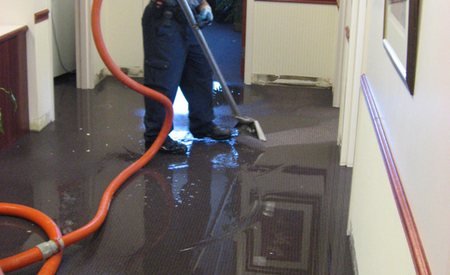
The next step in flood restoration involves removing water from your home. Using pumps, wet vacuums, and buckets, remove standing water as quickly as possible. The longer water remains, the more damage it can cause to structures and materials. After water removal, focus on drying out the home. Use fans, dehumidifiers, and open windows to increase air circulation. It is important to monitor moisture levels in walls and floors, as hidden dampness can lead to mold growth, which can compromise both health and property integrity.
Cleaning and Sanitizing
Once the home is dry, thorough cleaning is essential. Floodwater often carries bacteria, chemicals, and other contaminants. Clean surfaces with soap and water first, then disinfect using household bleach or commercial disinfectants. Carpets, rugs, and fabrics may need professional cleaning or replacement, depending on contamination levels. Flood restoration professionals emphasize the importance of sanitization, as it helps prevent long-term health risks.
Assessing Structural Damage
Flooding can weaken a home’s structure. Check walls, floors, and foundations for cracks, warping, or instability. Wooden structures may rot if water damage is not addressed promptly, while drywall can lose its integrity. A professional assessment may be necessary to ensure your home is structurally safe before proceeding with repairs. Ignoring structural damage can lead to serious safety issues and more costly repairs down the line.
Mold Remediation
Mold growth is a major concern after flooding. Mold can develop within 24 to 48 hours if surfaces remain damp. It can trigger allergies, respiratory issues, and other health problems. Flood restoration includes identifying and removing mold-affected materials, such as drywall, insulation, and carpeting. High-quality air filtration and dehumidification systems can help prevent mold from spreading. In severe cases, hiring a certified mold remediation specialist is advisable to ensure thorough removal.
Repairing and Rebuilding
After cleaning and mold removal, it’s time to repair and rebuild. Flood restoration often involves replacing damaged drywall, flooring, insulation, and electrical systems. Painting and refinishing surfaces restore aesthetics, while ensuring your home is safe and functional. Homeowners may also consider upgrades to prevent future flooding, such as waterproofing basements or installing sump pumps.
Handling Insurance and Financial Recovery
Dealing with insurance claims is an integral part of flood restoration. Contact your insurance provider as soon as possible to report damage and begin the claims process. Documenting all damage, repairs, and restoration costs can support your claim. Some insurance policies cover temporary living expenses if your home is uninhabitable, so be sure to review your coverage. Financial recovery may also include grants, disaster assistance, or community support programs.
Hiring Professional Flood Restoration Services
While some flood restoration tasks can be managed by homeowners, professional services can save time and ensure thorough recovery. Certified flood restoration companies have specialized equipment and expertise to handle water removal, drying, cleaning, mold remediation, and structural repairs. Their experience can prevent hidden damage and reduce the risk of health hazards. Working with professionals often leads to faster and more complete restoration, giving homeowners peace of mind.
Preventing Future Flood Damage
Once your home is restored, taking steps to minimize future flood risks is wise. Simple measures include cleaning gutters, sealing foundation cracks, and installing backflow valves. Landscaping can be designed to divert water away from the home, and valuable items can be elevated above potential flood levels. Staying informed about local flood risks and weather alerts allows you to act quickly in emergencies.
Emotional and Psychological Recovery
Flooding is not only a physical challenge but an emotional one. Losing belongings, facing damage, and dealing with cleanup can be stressful and overwhelming. Flood restoration involves restoring more than just property—it’s about reclaiming a sense of normalcy. Support from family, friends, or professional counselors can help manage stress and rebuild a sense of security.
Conclusion
Flood restoration is a comprehensive process that goes beyond simply removing water. From ensuring safety, drying, and cleaning to repairing structures and preventing future damage, every step matters. By understanding the flood restoration process and taking proactive measures, homeowners can effectively recover and safeguard their homes against future flooding. Quick action, thorough cleaning, professional assistance, and preventive measures are key to getting your home back to normal and maintaining peace of mind.
Flood restoration requires patience, diligence, and informed decision-making, but with the right approach, you can overcome the challenges of flooding and restore your home to a safe, comfortable, and welcoming environment.