
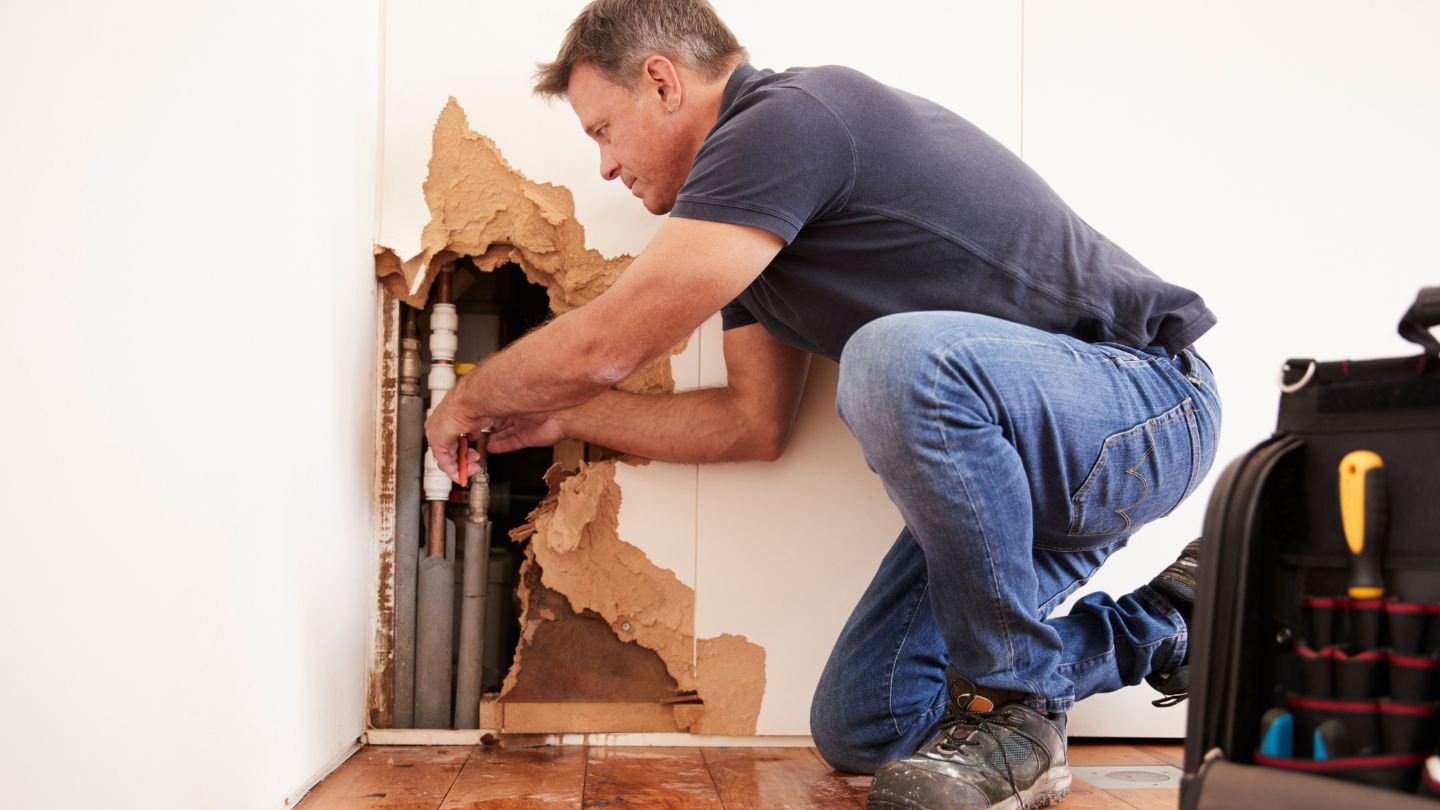
Flooding can cause devastating damage to homes and businesses, leaving behind structural issues, contamination, and emotional stress. Whether caused by heavy rainfall, burst pipes, or natural disasters, dealing with the aftermath requires a clear plan and immediate action. This complete step-by-step recovery guide will walk you through the entire flood damage restoration process, ensuring an efficient and safe flood clean up.
Understanding the Impact of Flood Damage
Floodwater is not just water—it often contains harmful contaminants such as bacteria, sewage, chemicals, and debris. The longer water sits, the more damage it causes. It can weaken structural components, ruin furniture, damage electrical systems, and promote mold growth within 24 to 48 hours. That’s why quick and effective flood clean up is essential to minimize long-term consequences.
Step 1: Ensure Safety First
Before entering a flooded property, prioritize safety. Turn off electricity and gas supplies if it is safe to do so. Floodwater can make electrical systems extremely dangerous. Wear protective gear such as gloves, boots, and masks to avoid contact with contaminated water. If the damage is severe, it’s best to wait for professionals to assess the situation before beginning flood clean up.
Step 2: Assess the Damage
Once the area is safe, conduct a thorough inspection of the property. Identify which areas have been affected and determine the extent of the damage. Check walls, floors, ceilings, furniture, and personal belongings. Document everything with photos and videos for insurance purposes. A detailed assessment will help guide your flood clean up and restoration strategy.
Step 3: Remove Standing Water
The next step in flood damage restoration is water extraction. Use pumps, wet vacuums, or buckets to remove standing water as quickly as possible. The faster you remove the water, the less damage it will cause. Professional flood clean up services often use industrial-grade equipment for faster and more efficient water removal.
Step 4: Dry and Dehumidify the Area
After removing standing water, it’s crucial to dry the affected areas thoroughly. Open windows and doors to improve airflow, and use fans and dehumidifiers to eliminate moisture. This step is vital in preventing mold growth, which can begin within a day or two after flooding. Proper drying is a cornerstone of effective flood clean up.
Step 5: Remove Damaged Materials
Not all materials can be saved after a flood. Items like soaked carpets, insulation, drywall, and upholstered furniture may need to be removed and discarded. These materials can trap moisture and harbor bacteria, making them unsafe. Careful removal of damaged items ensures a more thorough flood clean up and prepares the space for restoration.
Step 6: Clean and Sanitize
Once debris and damaged materials are removed, the next step is cleaning and disinfecting. Use appropriate cleaning agents to sanitize all affected surfaces, including walls, floors, and furniture. This step eliminates harmful bacteria and prevents health risks. A proper flood clean up process always includes thorough sanitation.
Step 7: Address Mold Growth
Mold is a common issue after flooding and can pose serious health risks. Inspect the property for any signs of mold, such as discoloration or a musty odor. If mold is present, it must be removed immediately using specialized cleaning methods. In severe cases, professional mold remediation may be necessary as part of the flood clean up process.
Step 8: Repair and Restore
After cleaning and drying, the restoration phase begins. This includes repairing damaged structures, replacing flooring, repainting walls, and restoring electrical and plumbing systems. The goal is to return the property to its pre-flood condition. A successful flood clean up leads seamlessly into a complete restoration.
Step 9: Prevent Future Flood Damage
Once your property is restored, take steps to prevent future flooding. Install proper drainage systems, seal cracks in the foundation, and consider waterproofing measures. Regular maintenance and inspections can also help reduce the risk of future damage. Prevention is an essential part of long-term flood clean up planning.
The Importance of Professional Flood Clean Up Services
While some minor flooding can be handled independently, major flood damage often requires professional assistance. Experts have the tools, experience, and knowledge to handle complex situations safely and efficiently. They can also ensure that the flood clean up process meets industry standards and reduces the risk of future issues such as mold or structural damage.
Common Mistakes to Avoid During Flood Restoration
Many property owners make mistakes during the recovery process that can worsen the situation. Delaying flood clean up, failing to dry areas completely, or neglecting proper sanitation can lead to long-term damage. Another common mistake is underestimating the extent of water damage, which can result in hidden issues later on. Avoiding these pitfalls is key to a successful restoration.
Insurance and Documentation
Dealing with insurance is an important part of flood recovery. Make sure to document all damage and keep records of expenses related to flood clean up and repairs. Contact your insurance provider as soon as possible to start the claims process. Proper documentation can make a significant difference in receiving fair compensation.
Emotional and Mental Recovery
Flood damage doesn’t just affect property—it can also take a toll on mental health. The stress of loss and recovery can be overwhelming. Taking time to seek support from family, friends, or professionals is an important part of the healing process. A well-organized flood clean up plan can help reduce stress and provide a sense of control during recovery.
Final Thoughts
Flood damage restoration is a complex process that requires careful planning, quick action, and attention to detail. From ensuring safety to completing repairs, every step plays a crucial role in recovery. By following this step-by-step guide, you can handle flood clean up effectively and restore your property to a safe and livable condition. Acting quickly and making informed decisions will not only minimize damage but also help you move forward with confidence.