
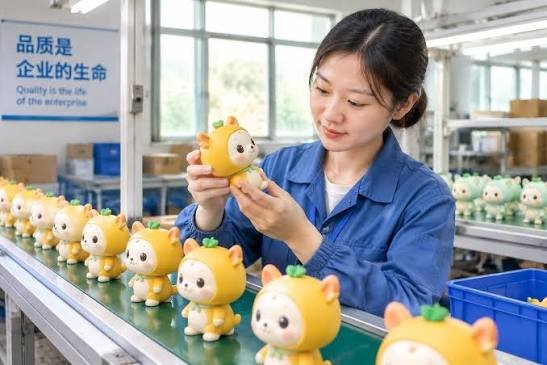
Bringing a unique toy concept to market requires turning artistic design into a safe, scalable physical product. For importers, retailers, distributors, and growing brands, Original Equipment Manufacturing (OEM) provides the perfect pathway to create exclusive custom products. However, navigating product development across international supply chains demands clear execution at every stage.
Effective OEM toy sourcing bridges creative imagination with manufacturing realities. Working with specialized B2B partners based in major manufacturing hubs like Chenghai, Shantou, China—the world’s premier toy production center—allows brands to streamline wholesale ranges, custom tooling, packaging, and global shipment while protecting their original design vision.
Defining OEM Toy Sourcing and Brand Alignment
Original Equipment Manufacturing in the toy industry allows a brand to design a product from scratch while leveraging third-party factories for physical production. Unlike ODM (Original Design Manufacturing), where you place your logo on pre-existing factory designs, OEM gives you full ownership over mold development, material selection, colors, functionality, and artwork.
Why OEM Sourcing Defines Market Identity
Custom product development creates distinct market advantages that off-the-shelf toys cannot offer:
- Complete Intellectual Property Control: Custom molds and proprietary designs protect your brand against direct market clones.
- Tailored Material Choices: Select eco-friendly plastics, organic textiles, or specialized electronic components matching your brand’s sustainability values.
- Targeted Price Points: Design specific features to align precisely with your target retail pricing and margin requirements.
- Custom Packaging Integration: Design display boxes, blister packs, and instruction manuals directly tailored to your retail presentation standards.
Phase 1: Moving from Concept Sketches to Industrial Prototypes
Every successful OEM toy sourcing journey starts with detailed product specifications. A quick sketch is a good start, but manufacturing requires technical precision.
Creating Comprehensive Tech Packs
Before approaching factories, assemble a technical dossier containing:
- 3D CAD Renderings: Digital models defining dimensions, tolerances, and part separations.
- Pantone Color Matching (PMS): Precise color specifications for plastic injection, paints, and fabrics.
- Material Requirements: Specifications such as ABS, PVC, silicone, plush fabrics, or wooden structures.
- Functional Diagrams: Electronic schematics, gear mechanisms, or articulation points for action figures and interactive toys.
Prototype Testing and Sample Approval
Golden samples must be evaluated thoroughly before mass production begins. Test prototypes for structural integrity, drop resistance, aesthetic finish, and moving mechanism smoothness. Never authorize full-scale manufacturing until your physical sample perfectly mirrors your technical pack.
Phase 2: Factory Selection and Custom Tooling
Finding the right manufacturing line for your specific toy category determines the success of your final product.
Navigating Specialized Manufacturing Hubs
China’s toy manufacturing is highly specialized by region. Chenghai in Shantou, Guangdong, stands as the global epicentre for plastic toys, remote-control vehicles, educational playsets, and electronic gadgets. Sourcing directly within this ecosystem provides immediate access to specialized raw materials, mold makers, and assembly facilities.
As a dedicated trade partner based on the ground in Chenghai, our B2B toy sourcing team works directly alongside importers, retailers, distributors, and brands. We manage the entire pipeline—from refining initial samples and private label packaging to coordinating factory audits and final sea shipments—ensuring your production runs without language or operational bottlenecks.
Mold Engineering and Steel Tooling
Plastic OEM toys rely heavily on injection molds. Mold creation is typically the largest upfront capital expenditure in OEM toy sourcing:
| Mold Type | Typical Use Case | Durability & Output | Relative Cost |
| Aluminum Molds | Rapid prototyping & low volume | 10,000 – 50,000 units | Lower Initial Investment |
| Steel Molds (P20/718) | Standard mass production | 300,000+ units | Balanced Cost & Longevity |
| Hardened Steel Molds (S136) | High-precision / High-volume | 1,000,000+ units | Highest Initial Investment |
Working with local sourcing experts ensures that mold specifications match your volume forecasts, preventing unnecessary tooling costs while protecting long-term production quality.
Phase 3: Regulatory Compliance and Safety Engineering
Toy manufacturing operates under strict global safety regulations. Designing safety features into your initial engineering phase avoids costly product recalls and customs rejections.
International Toy Safety Standards
Depending on your destination market, your OEM product must comply with specific testing protocols:
- ASTM F963 & CPSIA (North America): Mandatory testing for heavy metals, lead content, small parts chokable hazards, and flammability.
- EN71 & CE Marking (European Union): Mechanical safety, chemical migration (Phthalates/BPA), and electrical toy safety (EN 62115).
- ISO 8124 (International/Australia): General safety requirements for mechanical, physical, and chemical properties.
Build testing protocols directly into your pre-production phase. Accredited third-party laboratories (such as SGS, TÜV, or Intertek) must certify mass-production samples prior to export loading.
Phase 4: Quality Control and Mass Production Management
Maintaining consistency across thousands of manufactured units requires structured Quality Assurance (QA) and Quality Control (QC) protocols throughout the production run.
The Three Stages of Inspection
- Pre-Production Inspection (PPI): Verification of raw plastics, paints, electronic components, and packaging materials before assembly begins.
- During Production Inspection (DUPRO): Random sampling of assembled items on the factory line when 20% to 50% of the order is completed to catch defects early.
- Pre-Shipment Inspection (PSI): Inspection of finished, packaged goods using Acceptable Quality Limit (AQL) sampling standards (typically AQL Level II General Inspection) before final balance payment and shipment dispatch.
Phase 5: Freight Strategy and Logistics Execution
The OEM product journey concludes with safe packaging design and efficient global logistics.
Packaging Optimization for Global Shipping
Packaging must serve a dual purpose: eye-catching retail presentation and robust structural protection during transport. Optimize outer master carton dimensions to maximize container loading density (CBM utilization), reducing freight cost per unit.
Managing Trade Logistics
A dedicated B2B sourcing partner streamlines export documentation, customs clearance, and freight bookings:
- FOB (Free On Board): Factory delivers goods to the port of origin; importer manages main sea freight.
- DDP (Delivered Duty Paid): Turnkey logistics handling everything from origin factory floor to destination warehouse doors.
Building a Sustainable OEM Sourcing Strategy
Developing custom toys that match your brand vision requires a disciplined combination of design engineering, clear communication, rigorous quality control, and regional supply chain expertise.
By partnering with an experienced on-the-ground team in Chenghai, Shantou, your brand gains direct access to world-class manufacturing capabilities while maintaining total control over product quality, safety compliance, and brand alignment. Streamlining these steps turns creative ideas into profitable commercial toy lines that stand out on retail shelves worldwide.