
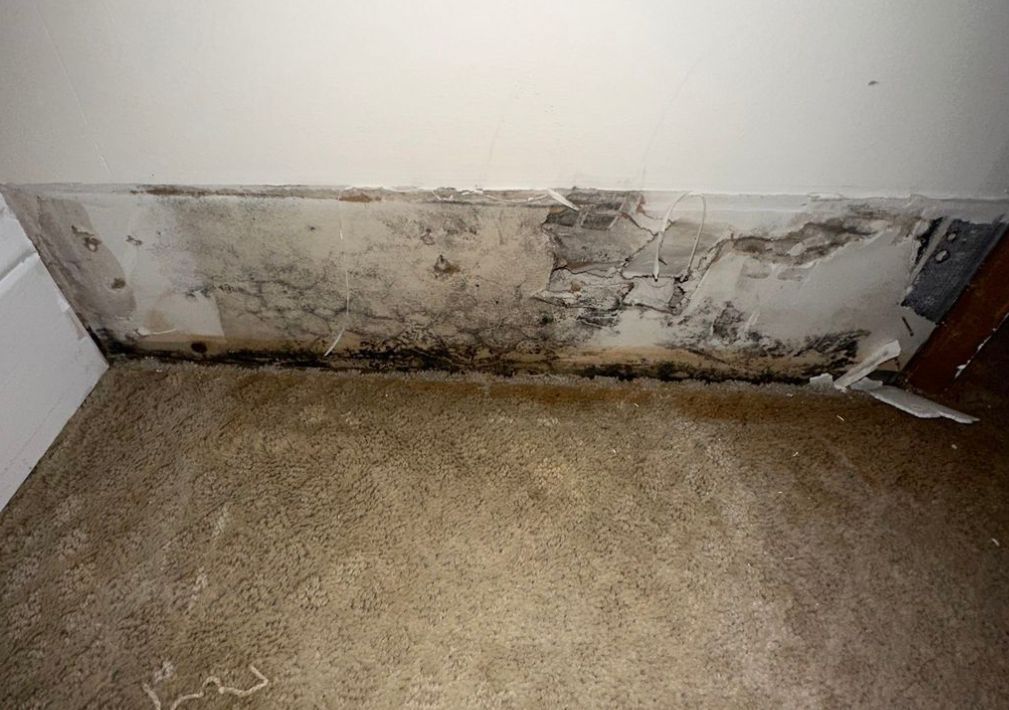
Water damage is one of the most common and costly problems homeowners and businesses face. From leaky pipes to severe storms, water intrusion can compromise the structure of a building, damage belongings, and even lead to health hazards like mold growth. Understanding the top causes of water damage and implementing preventive measures is essential to protect your property and reduce repair costs. This article explores the main reasons for water damage and offers actionable tips on how to prevent them.
Common Causes of Water Damage
1. Plumbing Failures
One of the most frequent causes of water damage is plumbing issues. Burst pipes, leaking faucets, and faulty water heaters can lead to significant water intrusion if not addressed promptly. Old or corroded pipes are particularly susceptible to leaks, and even minor drips over time can cause structural damage and mold growth.
2. Severe Weather Conditions
Heavy rainfall, storms, and flooding are natural causes of water damage. Homes located in flood-prone areas are especially vulnerable. Water can seep into basements, crawl spaces, and foundations, leading to both immediate damage and long-term structural problems.
3. Roof Leaks
A damaged or poorly maintained roof can allow water to penetrate the structure during rain or snow. Missing shingles, cracked flashing, or clogged gutters can result in leaks that affect ceilings, walls, and insulation. Roof leaks often go unnoticed until significant damage has occurred.
4. Appliance Malfunctions
Household appliances like washing machines, dishwashers, and refrigerators can malfunction and cause water leaks. Over time, hoses may crack or connections may loosen, creating a risk of water damage. Regular inspection and maintenance of appliances can reduce this risk.
5. Foundation Issues
Cracks or gaps in a building’s foundation can allow water to enter, especially during heavy rains or when the soil around the property becomes saturated. Water intrusion through the foundation can damage basements, weaken the structural integrity of the home, and create a damp environment conducive to mold growth.
6. Human Error
Accidents such as leaving faucets running, improper sealing around windows, or not addressing minor leaks promptly can also lead to water damage. Human negligence often exacerbates existing issues, turning small problems into major restoration projects.
How Water Damage Affects Property
Water damage doesn’t just affect the visible areas of a property. It can compromise structural elements such as walls, floors, and ceilings, weaken foundations, and cause electrical hazards. Additionally, excess moisture creates an ideal environment for mold and mildew, which can cause health issues like allergies and respiratory problems. The longer water damage goes untreated, the more expensive and complicated the restoration process becomes.
Preventive Measures to Avoid Water Damage
1. Regular Plumbing Inspections
Routine checks of your plumbing system can help identify leaks, corrosion, or worn-out pipes before they become a serious problem. Replace old pipes, tighten loose connections, and ensure water heaters and faucets are in good condition to reduce the risk of water intrusion.
2. Maintain the Roof and Gutters
Regularly inspect your roof for missing shingles, damaged flashing, or other vulnerabilities. Clean gutters and downspouts to ensure proper drainage and prevent water from pooling near your home’s foundation. Installing gutter guards can also reduce blockages and overflow during heavy rainfall.
3. Install Water Detection Devices
Water leak detectors can alert homeowners to leaks early, minimizing potential damage. These devices can be placed near appliances, under sinks, or around water heaters to detect unusual moisture levels before it spreads.
4. Proper Landscaping and Drainage
Ensure that the ground around your property slopes away from the foundation to prevent water accumulation. Consider installing French drains or other drainage systems to manage runoff, especially in areas prone to heavy rain.
5. Seal Windows and Doors
Inspect and maintain seals around windows and doors to prevent water from entering during storms. Weatherstripping and caulking can help protect against water infiltration while improving energy efficiency.
6. Prepare for Severe Weather
If you live in an area prone to storms or flooding, take proactive measures such as sandbagging vulnerable areas, installing sump pumps in basements, and elevating electrical systems to reduce damage. Staying informed about weather warnings can also help you take timely action.
7. Regular Appliance Maintenance
Inspect hoses and connections on appliances regularly and replace any parts showing signs of wear. Avoid overloading washing machines or dishwashers and ensure they are installed according to manufacturer guidelines. These precautions help prevent accidental leaks.
Restoration Process After Water Damage
Even with preventive measures, water damage can occur unexpectedly. When it happens, swift action is crucial. The restoration process typically involves assessing the damage, removing excess water, drying affected areas, cleaning and disinfecting, and repairing structural damage. Professional restoration companies specialize in Water Damage Restoration, using advanced equipment and techniques to restore properties efficiently and safely.
Professional restoration services can also address hidden moisture, which might not be immediately visible but can cause long-term issues like mold growth. Attempting to handle severe water damage without proper tools and expertise can result in incomplete restoration and additional costs down the line.
Conclusion
Water damage is a significant threat to any property, but understanding its top causes and implementing preventive measures can greatly reduce risks. From plumbing failures and roof leaks to severe weather and appliance malfunctions, many factors can lead to water intrusion. Regular maintenance, proper drainage, water detection systems, and timely professional restoration are key strategies to protect your home or business.
Investing in preventive measures and professional Water Damage Restoration not only safeguards your property but also ensures a healthier and safer living environment. Taking proactive steps today can save significant time, money, and stress in the future, keeping your property secure from the costly effects of water damage.