
Water damage can strike suddenly, leaving homeowners scrambling to protect their property. Whether caused by heavy rain, burst pipes, or flooding, water intrusion can lead to structural damage, mold growth, and costly repairs. Immediate action is critical, and knowing the right steps for water damage cleanup can make the difference between minor repair and major renovation. This guide walks you through practical steps to manage water damage efficiently and safeguard your home.
Understanding the Severity of Water Damage
Not all water damage is the same. It ranges from minor spills to severe flooding. Classifying the damage helps determine the proper cleanup approach. Minor incidents, like a leaking pipe, may only require quick drying and sanitation, while large-scale water intrusion often necessitates professional intervention. Water damage cleanup involves assessing the source, containing the problem, removing water, drying the affected areas, and sanitizing surfaces to prevent mold and bacteria growth.
Immediate Safety Precautions
Safety should be your first concern during water damage cleanup. Turn off electricity in affected areas to prevent electrocution, especially if water has reached outlets or appliances. Wear protective gear such as gloves and waterproof boots, and avoid wading through contaminated water. If flooding is extensive, evacuate until it is safe to re-enter. Safety measures not only protect you but also prevent further damage to your home during the cleanup process.
Stop the Water Source
The next step in water damage cleanup is stopping the source of water. For burst pipes, shut off the main water supply. If flooding is caused by natural disasters, focus on preventing more water from entering by sealing doors and windows or using sandbags. Controlling the water source is critical to minimizing damage and creating a manageable environment for cleanup.
Remove Excess Water
Standing water accelerates damage to flooring, walls, and furniture. Use mops, buckets, or wet/dry vacuums to remove as much water as possible. In cases of heavy flooding, professional water extraction equipment may be necessary. Quick removal reduces the risk of structural weakening and prevents conditions that promote mold growth. Water damage cleanup is most effective when excess water is removed promptly.
Dry and Dehumidify Affected Areas
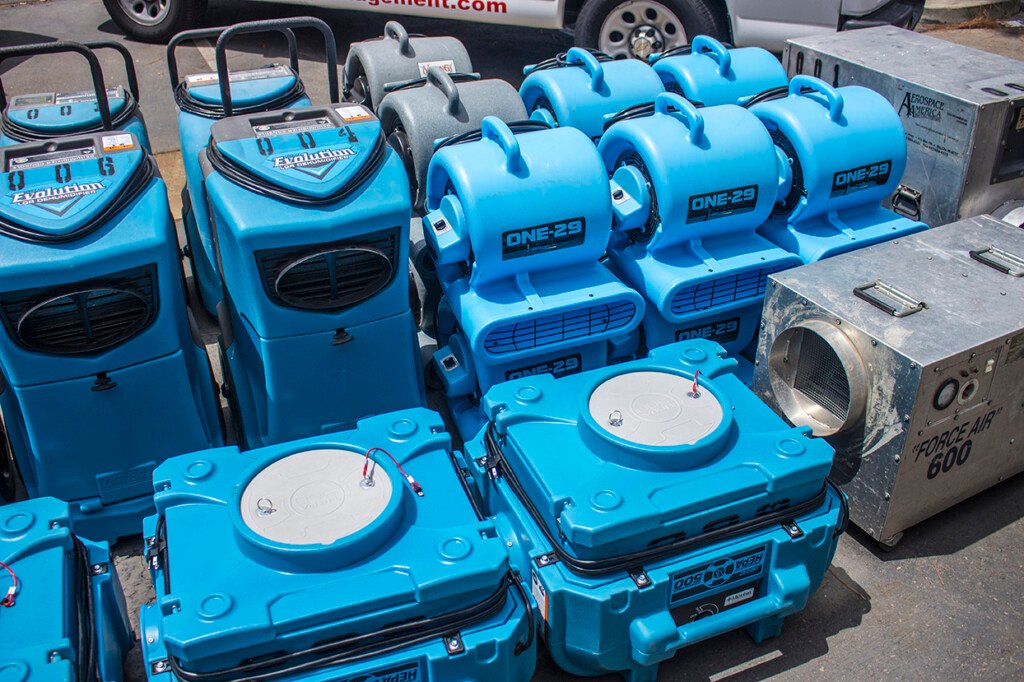
After removing standing water, drying is essential. Open windows and doors to allow air circulation, and use fans or dehumidifiers to remove moisture from walls, floors, and furniture. Hardwood floors and drywall are particularly vulnerable to warping and swelling if not dried correctly. Consistent monitoring of moisture levels is important to ensure that areas are thoroughly dry before reconstruction or restoration.
Remove Damaged Materials
Some materials may be too damaged to salvage. Water-damaged drywall, insulation, carpets, and furniture often require removal to prevent mold and bacteria growth. Proper disposal of these items is part of effective water damage cleanup and ensures that the restoration process begins on a clean slate. In some cases, restoration professionals can salvage certain items with specialized cleaning techniques, saving costs and reducing waste.
Sanitize and Disinfect
Water intrusion brings contaminants, especially if caused by flooding or sewage backup. Thoroughly clean all affected surfaces with disinfectants to eliminate bacteria, mold spores, and other pathogens. This step is critical to prevent health hazards and ensure a safe environment for you and your family. Water damage cleanup is not just about removing water—it’s about restoring a safe living space.
Prevent Mold Growth
Mold can develop within 24 to 48 hours after water exposure. Use antifungal sprays on walls, floors, and furniture to reduce the risk. Keep the area dry and monitor for any signs of mold. Prompt water damage cleanup, combined with proper drying and sanitization, significantly reduces the likelihood of long-term mold problems, protecting both your home and your health.
Restore and Repair
Once your home is dry and sanitized, you can begin the restoration process. Repair or replace damaged drywall, flooring, and fixtures. Consider professional restoration services for structural repairs or complicated water damage scenarios. Water damage cleanup is not complete until your home is restored to its pre-damage condition, ensuring both safety and aesthetic appeal.
Know When to Call Professionals
Some water damage situations require professional expertise. Severe flooding, contaminated water, or extensive structural damage are beyond the scope of typical homeowner cleanup. Water restoration companies have specialized equipment, trained personnel, and experience to handle large-scale water damage effectively. Consulting professionals ensures comprehensive water damage cleanup and reduces the risk of hidden problems that could emerge later.
Insurance and Documentation
Document all damage for insurance purposes. Take photos, note damaged items, and keep receipts for cleanup materials. Many insurance policies cover water damage restoration, but proper documentation is crucial for filing claims. Effective water damage cleanup includes not only physical restoration but also administrative steps to recover costs from your insurance provider.
Preventive Measures for the Future
After recovery, take steps to minimize future water damage. Inspect pipes regularly, install sump pumps, improve drainage around your home, and seal vulnerable areas. Preventive maintenance reduces the likelihood of water damage and makes future water damage cleanup less stressful and costly. Proactive measures are key to long-term home protection.
Water damage cleanup requires quick action, careful planning, and attention to detail. From immediate safety measures to professional restoration and preventive steps, each phase plays a vital role in saving your home from severe damage. By acting promptly and effectively, homeowners can minimize losses, protect health, and restore their homes to a safe and comfortable condition.
Proper water damage cleanup not only mitigates current damage but also prevents long-term issues like mold and structural deterioration. By understanding the process and taking decisive action, you safeguard your investment and ensure your home remains a secure and healthy environment for years to come.