
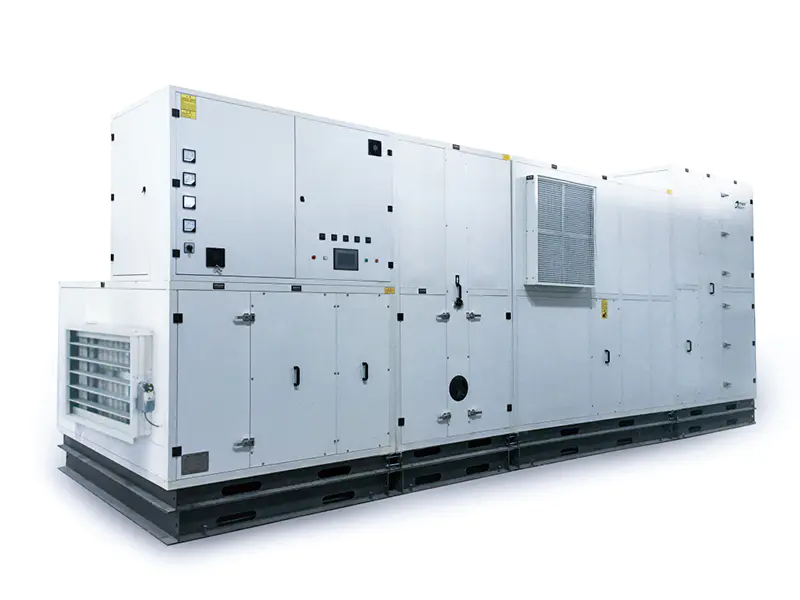
In the pharmaceutical industry, precision and quality control are paramount. One of the most critical aspects of maintaining these standards is the use of specialized environments like dry rooms. Pharmaceutical dehumidification dry rooms are essential for processes that require low moisture levels, such as handling hygroscopic substances, tablet coating, or conducting sensitive chemical reactions. Over the years, pharmaceutical dehumidification dry rooms manufacturers have developed innovative solutions to meet the stringent requirements of modern pharmaceutical production.
The Importance of Dehumidification in Pharmaceutical Manufacturing
Humidity control is a critical factor in pharmaceutical manufacturing. Excess moisture can lead to chemical degradation, contamination, and compromised product quality. Pharmaceutical dehumidification dry rooms maintain relative humidity levels far below standard conditions, often as low as 1-10% RH, depending on the process. These controlled environments ensure that sensitive materials, powders, and finished products remain stable throughout production.
By investing in high-quality pharmaceutical dehumidification dry rooms, companies can minimize product losses, ensure regulatory compliance, and maintain consistent quality standards. As a result, manufacturers in this field are continually innovating to offer systems that provide precise control, energy efficiency, and adaptability to various production requirements.
Leading Manufacturers and Their Innovations
Several pharmaceutical dehumidification dry rooms manufacturers have emerged as leaders in the industry. Their innovations reflect a commitment to precision engineering, sustainability, and user-friendly solutions.
Munters Group
Munters is a globally recognized name in climate control solutions, including pharmaceutical dehumidification dry rooms. They focus on advanced desiccant dehumidification technology, which allows precise control of humidity levels with minimal energy consumption. Munters’ systems are designed for modular installation, enabling pharmaceutical companies to scale up their production without extensive redesigns. Their innovations include real-time monitoring systems, integrated humidity sensors, and automated control platforms, which ensure consistent environmental conditions.
Seibu Giken DST
Seibu Giken DST has established itself as a pioneer in dry room technologies for the pharmaceutical sector. Their systems emphasize low dew point operation and cleanroom integration. The company’s dehumidification units are equipped with intelligent control systems capable of maintaining highly stable humidity levels even under fluctuating production conditions. Seibu Giken DST has also developed energy-efficient desiccant wheels that reduce operational costs while ensuring uncompromised performance.
Ebac Industrial Products
Ebac Industrial Products is another key player among pharmaceutical dehumidification dry rooms manufacturers. They focus on delivering compact, flexible, and energy-efficient solutions for both small-scale and large-scale pharmaceutical operations. Ebac’s innovations include mobile dry room units, which allow pharmaceutical companies to create controlled environments quickly and efficiently without permanent construction. Their systems also integrate smart control panels, providing operators with remote monitoring and diagnostic capabilities.
Condair Group
Condair Group has made significant contributions to the advancement of dehumidification technology in pharmaceutical dry rooms. Their approach combines traditional desiccant dehumidification with digital control systems that enable precise environmental management. Condair’s systems are known for low maintenance requirements and the ability to maintain consistent conditions for extended periods. Additionally, they emphasize sustainability by incorporating energy recovery systems and minimizing water and energy consumption.
GEA Group
GEA Group, a renowned name in industrial process engineering, has leveraged its expertise in pharmaceuticals to design high-performance dehumidification dry rooms. Their innovations focus on integrated solutions that combine humidity control with cleanroom air filtration, temperature management, and contamination prevention. GEA’s systems are particularly valued in sterile manufacturing and sensitive API handling, where maintaining low humidity is crucial for both product stability and regulatory compliance.
Technological Advancements in Dry Room Design
Pharmaceutical dehumidification dry rooms manufacturers are continuously pushing the boundaries of technology to meet the growing demands of the industry. Some notable advancements include:
- Modular Construction: Many manufacturers now offer modular dry room systems that can be customized and expanded as production requirements change. This flexibility reduces downtime and construction costs.
- Automated Monitoring and Control: Advanced sensors and IoT integration allow real-time tracking of humidity, temperature, and air quality. Automated systems adjust conditions dynamically to maintain optimal parameters.
- Energy Efficiency: Modern dehumidification systems use heat recovery, variable speed drives, and intelligent desiccant materials to minimize energy consumption while maintaining precise control.
- Compact and Mobile Units: Portable dry rooms have become popular for pilot plants or temporary production setups. These units provide the same environmental control as permanent installations but with added mobility and convenience.
- Regulatory Compliance: Leading manufacturers design dry rooms to comply with global standards such as GMP, ISO, and FDA guidelines, ensuring that pharmaceutical products are produced in safe and controlled environments.
Applications Across the Pharmaceutical Industry
Pharmaceutical dehumidification dry rooms are essential across various applications, including:
- API Manufacturing: Active pharmaceutical ingredients are highly sensitive to moisture. Controlled dry rooms prevent degradation and ensure product purity.
- Tablet and Capsule Production: Moisture can cause sticking, capping, or uneven coating in tablets and capsules. Dry rooms help maintain optimal production conditions.
- Powder Handling: Hygroscopic powders can clump or degrade if exposed to high humidity. Dry rooms provide a stable environment for storage and processing.
- Sterile Manufacturing: Low humidity helps prevent microbial growth and contamination in sterile drug production.
Challenges and Future Trends
Despite the advancements, pharmaceutical dehumidification dry rooms manufacturers face challenges such as reducing operational costs, minimizing energy consumption, and integrating digital control systems seamlessly into existing production lines. The future trends point toward more sustainable designs, AI-driven environmental control, and increased adoption of modular and mobile solutions.
As the pharmaceutical industry grows and regulations become stricter, the demand for sophisticated dry room technologies will continue to rise. Manufacturers that prioritize innovation, efficiency, and adaptability will lead the market, providing pharmaceutical companies with reliable solutions to meet the challenges of modern production.
Conclusion
Pharmaceutical dehumidification dry rooms are critical for ensuring product quality, regulatory compliance, and operational efficiency. Leading pharmaceutical dehumidification dry rooms manufacturers like Munters, Seibu Giken DST, Ebac, Condair, and GEA have demonstrated remarkable innovation in designing systems that meet the unique needs of the industry. With technological advancements in modular construction, automated monitoring, energy efficiency, and mobile solutions, these manufacturers continue to push the boundaries of what is possible in controlled pharmaceutical environments.
For pharmaceutical companies, investing in high-quality dry room systems from reputable manufacturers is not just a matter of compliance but also a strategic decision to enhance product quality, reduce waste, and streamline production processes. The ongoing innovations from these industry leaders ensure that dry rooms will remain an indispensable component of pharmaceutical manufacturing for years to come.