
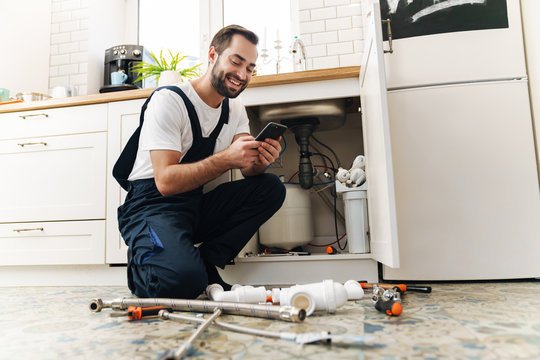
Plumbing emergencies can happen at any time, often catching homeowners completely off guard. A burst pipe, a backed-up drain, or a sudden leak can quickly escalate into a costly and stressful situation. Proper preparation is key to minimizing damage and ensuring that the problem is resolved efficiently. Professional plumbers emphasize that being proactive, understanding the basics, and knowing when to call an emergency plumber can make all the difference. In this article, we will explore expert advice on how to prepare for a plumbing emergency and handle it like a pro.
Understanding Common Plumbing Emergencies
Before preparing for a plumbing emergency, it’s important to recognize the types of situations that require immediate attention. Common plumbing emergencies include:
- Burst pipes that flood your home
- Severe leaks in bathrooms or kitchens
- Clogged drains that refuse to clear
- Overflowing toilets or septic backups
- Water heater failures or gas leaks related to plumbing systems
While some minor issues, like a slow-draining sink, can be handled at home, emergencies like these demand urgent professional attention. Calling an emergency plumber promptly can prevent structural damage, mold growth, and high repair costs.
Equip Your Home with Essential Tools
Having the right tools on hand is one of the first steps in preparing for a plumbing emergency. While you might not solve every issue on your own, certain tools can help you minimize damage until a professional arrives. Experts recommend keeping the following items accessible:
- Adjustable wrenches and pliers for turning off valves or tightening connections
- Pipe tape to temporarily seal minor leaks
- A plunger or drain snake for blockages
- Towels, buckets, and a wet/dry vacuum to contain water
By assembling a basic plumbing emergency kit, you ensure that you can take immediate action if a leak or clog occurs, reducing the risk of widespread water damage.
Know How to Shut Off Your Water Supply
One of the most critical steps in any plumbing emergency is shutting off the water supply. This can significantly reduce water damage and give you more time to call an emergency plumber. Your home typically has two types of water shut-off valves:
- Main water valve: Controls water flow to the entire house
- Local shut-off valves: Located under sinks, behind toilets, or near appliances to control specific fixtures
Make sure you and your household members know the location of these valves and how to operate them. Regularly checking the valves to ensure they work properly is also recommended by professional plumbers.
Keep Emergency Contacts Ready
During a plumbing emergency, every minute counts. Having contacts for a reliable emergency plumber readily available can save precious time. Experts advise:
- Maintaining a list of licensed and experienced emergency plumbing services in your area
- Keeping their numbers saved in your phone and written in an accessible place
- Checking reviews and verifying credentials ahead of time
This preparation ensures that when a crisis occurs, you can reach a professional quickly, minimizing damage and stress.
Understand Temporary Fixes
While waiting for an emergency plumber, certain temporary measures can help control the situation. Professionals suggest these short-term fixes:
- For minor leaks, applying pipe tape or using a clamp can reduce water flow
- If a pipe bursts, use a bucket to catch dripping water and towels to absorb spills
- Turn off electricity in areas affected by water to prevent hazards
Remember, these are only stopgap measures. Attempting extensive repairs without expertise can worsen the problem, so always wait for the emergency plumber to provide a permanent solution.
Regular Maintenance to Prevent Emergencies
Preparation is not just about reacting to problems but also preventing them. Routine plumbing maintenance can significantly reduce the likelihood of emergencies. Professional advice includes:
- Regularly inspecting pipes for corrosion, leaks, or signs of wear
- Clearing drains of debris to prevent blockages
- Checking water pressure to avoid pipe bursts
- Servicing water heaters, sump pumps, and other plumbing appliances
Scheduling preventive maintenance with a professional plumber ensures that small issues are addressed before they escalate into emergencies, saving time, money, and stress.
Educate Household Members
Everyone in your home should know basic emergency procedures. This includes:
- How to shut off the main and local water valves
- Recognizing signs of a plumbing emergency, such as unusual water flow, leaks, or strange noises
- Contact information for your chosen emergency plumber
Educating household members ensures quick action in case you are not present during an emergency, allowing for faster containment and response.
Insurance and Documentation
Plumbing emergencies can cause substantial damage, and having proper documentation and insurance coverage can ease recovery. Experts recommend:
- Reviewing your home insurance policy to confirm coverage for water damage
- Keeping records of plumbing inspections, maintenance, and repairs
- Documenting damages with photos for insurance claims
This preparation allows you to navigate the aftermath of a plumbing emergency more smoothly and ensures that you receive the support you need.
Trust Professional Expertise
While preparation and temporary fixes are valuable, relying on a licensed emergency plumber is the safest course of action. Professionals have the training, tools, and experience to diagnose and fix problems efficiently. Attempting complex repairs on your own can be dangerous and may lead to higher costs in the long run.
When hiring an emergency plumber, make sure they are:
- Licensed and insured
- Available 24/7 for urgent situations
- Experienced in handling a range of plumbing emergencies
- Transparent with pricing and repair options
Conclusion
Plumbing emergencies are unpredictable, but with the right preparation, you can minimize stress and damage. From understanding common emergencies and equipping your home with essential tools to knowing when to call an emergency plumber, proactive measures make a significant difference. Regular maintenance, household education, and having emergency contacts ready ensure that when a plumbing crisis strikes, you are ready to respond effectively. Ultimately, trusting professional expertise guarantees that the issue is resolved safely and efficiently, protecting your home and family from unnecessary harm.