
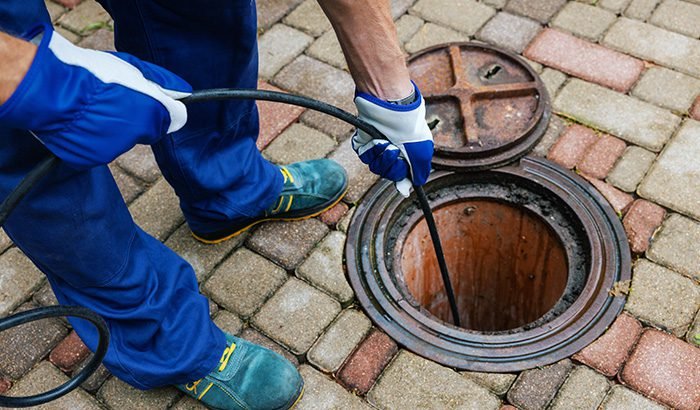
Sewage cleaning is a task that comes with inherent dangers. From exposure to harmful pathogens to the risk of physical injury, the challenges associated with sewage cleaning require careful attention and professional expertise. Understanding how professionals minimize sewage cleaning risks is crucial not only for the safety of workers but also for the protection of property and public health.
Understanding Sewage Cleaning Risks
Sewage cleaning risks stem from the hazardous nature of wastewater. Raw sewage contains bacteria, viruses, and parasites that can cause severe illnesses. Professionals know that direct contact with contaminated water or surfaces can lead to infections such as hepatitis, gastroenteritis, and leptospirosis. Additionally, chemical contaminants in sewage, such as industrial waste, can increase the danger to workers.
Physical hazards are another significant concern. Slippery surfaces, unstable structures, and exposure to sharp objects hidden in sewage increase the likelihood of accidents. Respiratory issues may also arise from inhaling toxic fumes or mold spores that develop after sewage overflow. These risks highlight the importance of a systematic approach to sewage cleaning.
Personal Protective Equipment as a First Line of Defense
One of the primary methods professionals use to minimize sewage cleaning risks is the consistent use of personal protective equipment (PPE). Proper PPE includes gloves, boots, eye protection, and respirators. These barriers prevent direct contact with contaminated materials and reduce the chances of infection.
Gloves and boots made of durable, impermeable materials are essential for protecting the skin. Professionals also use waterproof suits that cover the body completely, preventing sewage from coming into contact with clothing or skin. Respirators with appropriate filters protect against inhaling harmful pathogens and chemical fumes, ensuring respiratory safety. Eye protection prevents accidental splashes from causing injury or infection.
Proper Training and Protocols
Effective sewage cleaning is not just about wearing PPE; it also requires specialized training. Professionals undergo rigorous instruction to understand the hazards involved and learn how to handle them. Training includes proper sanitation techniques, safe handling of contaminated materials, and emergency procedures in case of accidents.
Standard operating procedures (SOPs) are crucial in minimizing sewage cleaning risks. These protocols outline each step of the cleaning process, from assessing the site to disposing of waste. Professionals follow these guidelines meticulously to ensure safety, efficiency, and regulatory compliance.
Use of Advanced Equipment
Modern equipment plays a vital role in reducing sewage cleaning risks. Professionals use high-pressure water jetters, vacuum trucks, and industrial-grade pumps to handle raw sewage without direct contact. These tools allow workers to remove contaminants efficiently while maintaining a safe distance.
Decontamination units and disinfecting machines further reduce risks by sanitizing equipment and surfaces. By using these advanced tools, professionals limit human exposure to hazardous materials and enhance the overall safety of the cleaning process.
Effective Waste Disposal
Proper disposal of sewage is another critical factor in minimizing risks. Professionals follow local regulations and environmental guidelines to ensure that contaminated water and debris do not pose further hazards. Waste is transported in sealed containers to treatment facilities where it is safely processed.
By controlling how sewage waste is handled and disposed of, professionals prevent secondary contamination and protect the surrounding environment. This careful approach minimizes the overall risk to both workers and the public.
Environmental Monitoring and Risk Assessment
Before beginning any sewage cleaning project, professionals conduct a thorough risk assessment. This evaluation includes checking the structural integrity of the affected area, identifying potential chemical hazards, and assessing the presence of biological contaminants.
Environmental monitoring ensures that the conditions are safe for cleaning operations. Air quality is tested to detect harmful gases, and water samples may be analyzed to determine the level of microbial contamination. By understanding the risks before starting work, professionals can implement strategies that mitigate exposure and ensure a controlled cleaning process.
Disinfection and Sanitization
After removing the sewage, disinfecting and sanitizing the affected areas is essential to minimize lingering risks. Professionals use industrial-grade disinfectants that are effective against bacteria, viruses, and fungi. The process involves treating all contaminated surfaces, including walls, floors, and plumbing systems, to eliminate pathogens.
Sanitization not only protects workers who return to the site but also ensures that homeowners and the public are not exposed to health hazards. This step is a crucial part of a comprehensive risk-reduction strategy in sewage cleaning.
Continuous Education and Updates
The field of sewage cleaning is constantly evolving, and professionals stay updated with the latest safety practices and regulatory requirements. Continuous education helps them understand new risks, adopt innovative techniques, and comply with health and safety standards.
Workshops, certification programs, and training sessions equip professionals with knowledge on emerging pathogens, advanced PPE, and modern cleaning technology. By remaining informed, they can minimize sewage cleaning risks more effectively than ever before.
Team Coordination and Communication
Sewage cleaning is often a team effort, and effective communication is vital for safety. Professionals coordinate tasks to avoid accidents, share information about hazards, and ensure that everyone follows safety protocols. Team-based operations reduce the likelihood of human error and provide immediate support in case of emergencies.
Clear communication also extends to reporting procedures. Professionals document all safety measures, incidents, and outcomes to maintain accountability and improve future operations. This organized approach enhances safety and reduces exposure to sewage cleaning risks.
Conclusion
Minimizing sewage cleaning risks requires a combination of expertise, preparation, and proper equipment. Professionals approach the task methodically, using PPE, following strict protocols, employing advanced tools, and adhering to regulatory guidelines. Risk assessments, waste management, disinfection, continuous training, and effective communication all contribute to safer sewage cleaning operations.
By understanding and implementing these practices, professionals protect themselves, their teams, and the community from the many dangers associated with sewage cleaning. Ultimately, their expertise ensures that even the most hazardous situations are handled efficiently, reducing the potential for infection, injury, and environmental harm while maintaining a high standard of safety and hygiene.
This comprehensive approach demonstrates that with proper knowledge, equipment, and procedures, sewage cleaning risks can be minimized effectively.