
Flooding can be devastating for any property, leaving behind more than just water damage. One of the biggest concerns after a flood is mold growth, which can compromise the structural integrity of a building and pose serious health risks to occupants. Prompt action is essential, and this is where a professional flood restoration service plays a critical role. These services not only remove standing water but also implement measures that prevent mold from taking hold, ensuring a safe and healthy environment.
Immediate Water Extraction
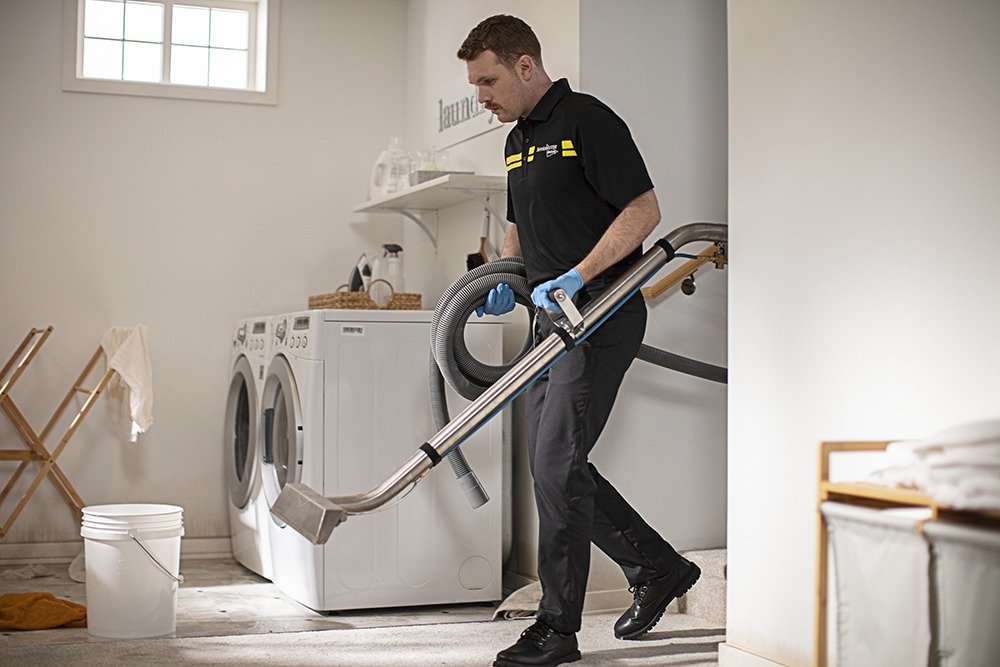
Time is of the essence when it comes to preventing mold after a flood. Mold can begin to grow within 24 to 48 hours in damp conditions, making swift water removal crucial. Flood restoration services use advanced equipment like industrial-grade pumps and wet/dry vacuums to extract water from affected areas. By removing standing water quickly, they reduce the moisture levels that create the perfect environment for mold spores to thrive. This initial step is vital to stopping mold growth before it starts.
Thorough Drying and Dehumidification
After the bulk of the water is removed, the next critical step is drying the affected areas. A flood restoration service deploys high-powered air movers and dehumidifiers to remove residual moisture from floors, walls, and furniture. Simply allowing the area to air dry is often insufficient, as hidden moisture can linger in walls, under flooring, and in insulation. Dehumidifiers help maintain a low humidity level, which is essential because mold cannot grow in dry conditions. This methodical approach ensures that even hard-to-reach areas are properly dried, significantly reducing the risk of mold development.
Removal of Contaminated Materials
Floodwaters often carry contaminants such as sewage, chemicals, and bacteria, which can exacerbate the risk of mold growth. Flood restoration services are trained to identify and remove materials that cannot be salvaged, such as soaked carpeting, drywall, and insulation. Removing these contaminated items eliminates potential breeding grounds for mold. Proper disposal according to health and safety guidelines also prevents cross-contamination to unaffected areas of the property.
Application of Antimicrobial Treatments
Even after thorough cleaning and drying, microscopic mold spores may remain. Professional flood restoration services apply antimicrobial or antifungal treatments to treated surfaces to kill any remaining spores and prevent new mold colonies from forming. These treatments penetrate porous surfaces, providing an extra layer of protection. Using the right chemicals in the correct concentrations ensures effectiveness without causing damage to the property or posing health risks to occupants.
Monitoring and Moisture Detection
Flood restoration is not just about the visible water—it’s also about detecting hidden moisture that can fuel mold growth. Technicians use specialized moisture meters and infrared cameras to identify damp areas that may be invisible to the naked eye. By pinpointing these hidden pockets, they can apply targeted drying techniques, ensuring comprehensive moisture removal. Continuous monitoring during the restoration process guarantees that all areas reach safe dryness levels before the job is considered complete.
Structural Repairs and Restoration
Flood damage often weakens structural elements like walls, floors, and ceilings, making them more susceptible to mold growth if moisture persists. Flood restoration services repair and restore these structures to their pre-flood condition, which includes sealing gaps, reinforcing materials, and replacing compromised components. A well-restored structure is less likely to trap moisture, reducing the likelihood of mold infestation in the future.
Prevention Education for Property Owners
A quality flood restoration service also educates property owners on preventive measures they can take to avoid mold after future incidents. This may include advice on maintaining proper ventilation, using dehumidifiers in humid climates, and performing regular inspections of areas prone to moisture accumulation. Empowering homeowners with knowledge helps them maintain a mold-free environment long after the restoration process is complete.
Long-Term Benefits of Professional Intervention
Investing in a flood restoration service goes beyond immediate water removal. By addressing all aspects of flood damage—water extraction, drying, cleaning, treatment, and structural repair—professionals prevent mold growth and protect the property’s long-term value. Mold can lead to costly repairs and health hazards, so proactive intervention saves money and ensures safety. Additionally, professional documentation of the restoration process may be valuable for insurance claims, helping property owners recover losses more effectively.
Advanced Equipment and Techniques
The effectiveness of a flood restoration service comes from using advanced tools and proven techniques. High-capacity pumps, air movers, industrial dehumidifiers, moisture detection devices, and antimicrobial treatments are all part of the arsenal. Technicians are trained to deploy this equipment efficiently, targeting problem areas and ensuring that no moisture remains behind. This scientific approach reduces human error and ensures that mold growth is effectively prevented.
Environmental and Health Considerations
Mold growth can trigger allergic reactions, respiratory problems, and other health issues, especially in children, the elderly, or those with compromised immune systems. By preventing mold, flood restoration services safeguard the well-being of occupants. Moreover, they follow environmentally responsible practices, using safe chemicals and proper disposal methods, minimizing environmental impact while protecting public health.
Conclusion
Flooding is more than a temporary inconvenience—it can create a long-term threat if not managed properly. Mold growth is one of the most dangerous consequences of water damage, but it is preventable with timely and professional intervention. A flood restoration service addresses every stage of the restoration process, from rapid water extraction to drying, decontamination, and structural repair, effectively halting mold before it has a chance to develop.
By relying on skilled technicians, advanced equipment, and scientifically proven methods, these services ensure that properties are restored safely and efficiently. Property owners benefit not only from a mold-free home or business but also from the peace of mind that comes from knowing their investment is protected. In the aftermath of a flood, calling a professional flood restoration service is the most reliable way to prevent mold growth and secure a healthy living environment for years to come.
This approach highlights the critical role of professional restoration, combining speed, expertise, and thoroughness to combat one of the most common post-flood threats—mold. Prevention, after all, is always better than cure, and in the case of flood recovery, it starts with trusted professionals and the right restoration strategy.