
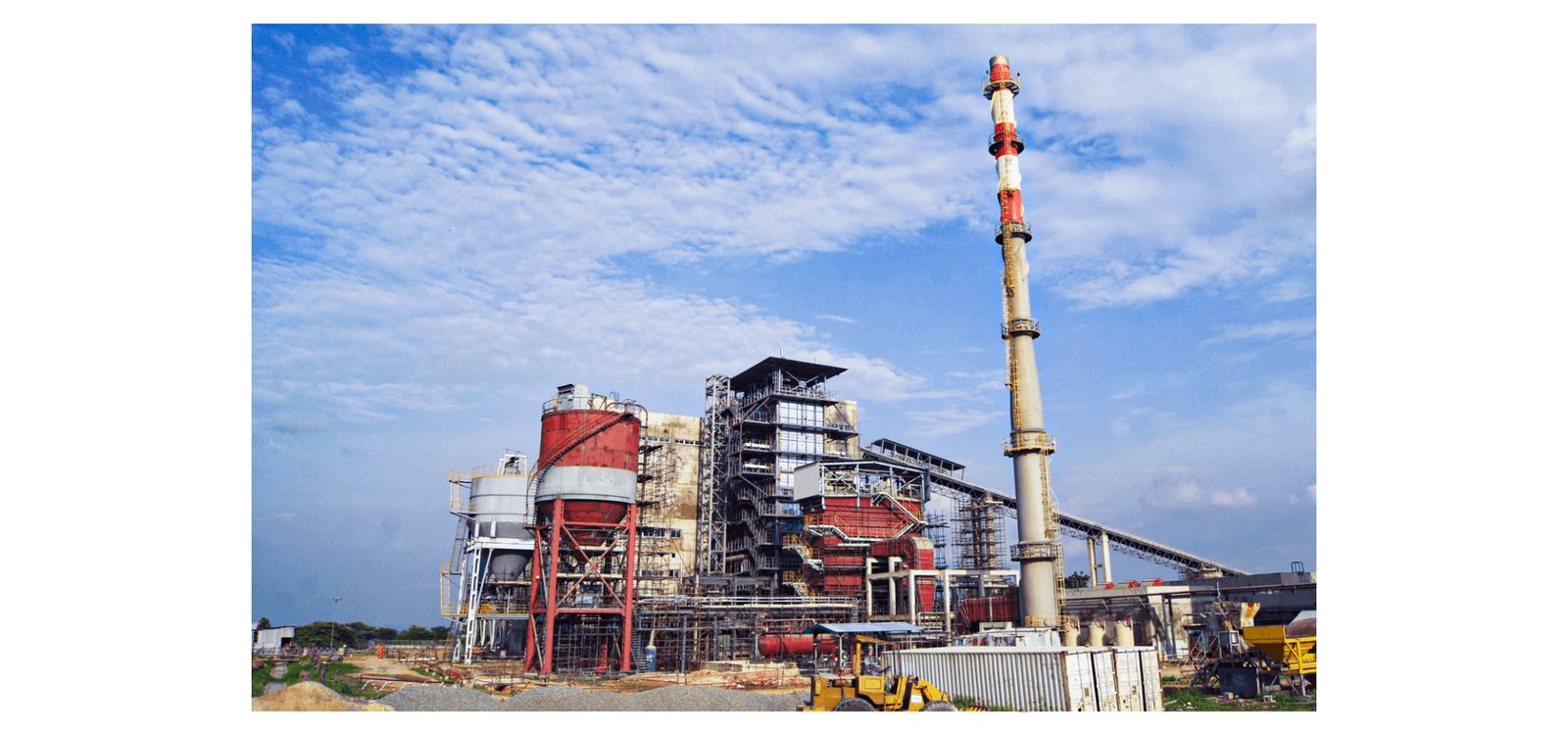
The power generation industry is evolving rapidly, driven by rising energy demands, environmental regulations, and technological advancements. Whether developing a thermal, renewable, or combined-cycle facility, selecting the right epc equipment for power plants is one of the most critical decisions in the Engineering, Procurement, and Construction (EPC) process. The quality, efficiency, and reliability of equipment directly impact plant performance, operating costs, safety, and long-term profitability.
This article explores the essential factors to consider when selecting epc equipment for power plants, helping developers, investors, and project managers make informed decisions.
Understanding the Role of EPC Equipment in Power Plants
EPC stands for Engineering, Procurement, and Construction. In power plant projects, EPC contractors are responsible for designing the facility, sourcing equipment, and constructing the plant to deliver a fully operational system.
Epc equipment for power plants typically includes:
- Boilers and heat recovery steam generators (HRSG)
- Steam turbines and gas turbines
- Generators
- Transformers and switchgear
- Cooling systems
- Control and instrumentation systems
- Fuel handling systems
- Emission control technologies
Each component must be carefully selected to ensure compatibility, efficiency, and compliance with technical and environmental requirements.
Project Requirements and Plant Type
Identifying the Power Generation Technology
The first step in selecting epc equipment for power plants is understanding the type of power plant being developed. Different technologies require different equipment specifications.
Common plant types include:
- Coal-fired power plants
- Gas-fired combined cycle plants
- Biomass power plants
- Solar thermal plants
- Hydroelectric power plants
- Nuclear power plants
For example, a combined cycle plant requires high-efficiency gas turbines and HRSG systems, while a biomass facility needs specialized fuel handling and combustion systems. Selecting equipment without aligning it to the plant’s operational model can lead to inefficiencies and costly modifications later.
Capacity and Load Requirements
Power output capacity plays a significant role in equipment selection. Epc equipment for power plants must match the required megawatt (MW) output and expected load variations. Equipment should be capable of handling base load, peak load, or flexible load operations depending on the grid demands.
Over-sizing equipment increases capital costs, while under-sizing can cause performance issues and operational strain.
Efficiency and Performance Standards
Thermal Efficiency and Output Optimization
Efficiency is a primary concern in power generation. Higher efficiency reduces fuel consumption and operational costs. When evaluating epc equipment for power plants, consider:
- Heat rate performance
- Turbine efficiency
- Generator output stability
- System integration efficiency
Modern gas turbines, for instance, can achieve significantly higher efficiency levels when paired with advanced HRSG systems. Performance guarantees from manufacturers are essential to ensure the plant meets expected output benchmarks.
Technological Advancements
The power industry is highly technology-driven. Advanced monitoring systems, digital control platforms, and predictive maintenance tools can significantly enhance plant performance. When selecting epc equipment for power plants, prioritize equipment that integrates smart control systems and supports data-driven decision-making.
Reliability and Durability
Long-Term Operational Stability
Power plants are long-term investments, often designed to operate for 25–40 years. Therefore, reliability is critical. High-quality epc equipment for power plants should be built with durable materials and proven engineering designs.
Key factors to evaluate include:
- Mean time between failures (MTBF)
- Maintenance intervals
- Availability guarantees
- Spare parts accessibility
Unreliable equipment can result in costly downtime and revenue losses. Selecting reputable manufacturers with strong performance records minimizes risk.
Environmental and Site Conditions
Environmental conditions such as temperature, humidity, altitude, and seismic activity affect equipment performance. Epc equipment for power plants must be designed to withstand site-specific challenges.
For example:
- Coastal plants require corrosion-resistant materials.
- Desert plants need advanced cooling systems.
- Seismic zones demand reinforced structural designs.
Ignoring site conditions can lead to premature wear and operational hazards.
Compliance with Environmental Regulations
Emission Control Requirements
Environmental compliance is increasingly strict worldwide. Epc equipment for power plants must meet local and international emission standards related to:
- Carbon dioxide (CO2)
- Nitrogen oxides (NOx)
- Sulfur oxides (SOx)
- Particulate matter
Installing advanced emission control systems such as scrubbers, selective catalytic reduction (SCR) units, and carbon capture technologies ensures regulatory compliance and avoids legal penalties.
Sustainability Considerations
Sustainable power generation is a global priority. When selecting epc equipment for power plants, consider energy efficiency, water usage, waste management, and integration with renewable technologies.
Choosing energy-efficient equipment not only supports environmental goals but also enhances long-term financial returns.
Cost Analysis and Budget Planning
Capital Expenditure vs Operational Expenditure
Cost is a central factor in equipment selection. However, focusing solely on initial purchase price can be misleading. Instead, evaluate total lifecycle costs, including:
- Installation expenses
- Fuel efficiency
- Maintenance costs
- Replacement parts
- Downtime risks
High-quality epc equipment for power plants may require a larger upfront investment but can deliver lower operational costs over time.
Financing and Return on Investment
Investors and project sponsors assess financial viability carefully. Equipment efficiency, reliability, and warranty terms all influence the project’s return on investment (ROI). Selecting cost-effective epc equipment for power plants ensures predictable cash flow and long-term profitability.
Supplier Reputation and Support Services
Manufacturer Track Record
Choosing established suppliers with a proven track record is essential. Research the manufacturer’s experience in delivering epc equipment for power plants similar to your project size and technology type.
Key considerations include:
- Successful project history
- Client references
- Technical certifications
- Global presence
A reputable supplier reduces risk and enhances confidence in project execution.
After-Sales Service and Technical Support
Reliable after-sales support is just as important as the equipment itself. Power plants require ongoing maintenance, spare parts availability, and technical expertise.
When evaluating epc equipment for power plants, ensure the supplier offers:
- Comprehensive warranties
- On-site technical assistance
- Training for plant operators
- Quick response times for service requests
Strong support services minimize downtime and ensure smooth plant operations.
Integration and System Compatibility
Seamless System Integration
Power plants consist of multiple interconnected systems. Epc equipment for power plants must be compatible with existing infrastructure and control systems.
Poor integration can lead to inefficiencies, safety risks, and operational disruptions. Conducting thorough engineering reviews and simulations helps verify compatibility before procurement.
Scalability and Future Expansion
Energy demand often increases over time. Selecting scalable epc equipment for power plants allows future capacity upgrades without major system overhauls.
Designing for expansion from the outset ensures flexibility and protects long-term investment value.
Risk Management and Quality Assurance
Quality Control Measures
Strict quality assurance protocols are necessary when selecting epc equipment for power plants. Ensure suppliers follow international standards such as ISO certifications and conduct factory acceptance tests (FAT).
Quality inspections, third-party audits, and performance testing reduce risks during commissioning and operation.
Risk Assessment and Contingency Planning
Potential risks include supply chain delays, manufacturing defects, and installation challenges. A comprehensive risk management strategy should accompany the procurement of epc equipment for power plants.
Clear contractual terms, performance guarantees, and penalty clauses protect project stakeholders.
Conclusion
Selecting the right epc equipment for power plants is a complex but critical process that determines the success of a power generation project. From technical performance and efficiency to environmental compliance, cost analysis, and supplier reputation, each factor plays a vital role.
Careful evaluation of plant type, operational requirements, site conditions, and long-term objectives ensures optimal equipment selection. By prioritizing quality, reliability, and system integration, developers can build power plants that operate efficiently, meet regulatory standards, and deliver sustainable returns for decades.
In today’s competitive energy market, strategic planning and informed decision-making in choosing epc equipment for power plants are essential for achieving operational excellence and long-term success.