
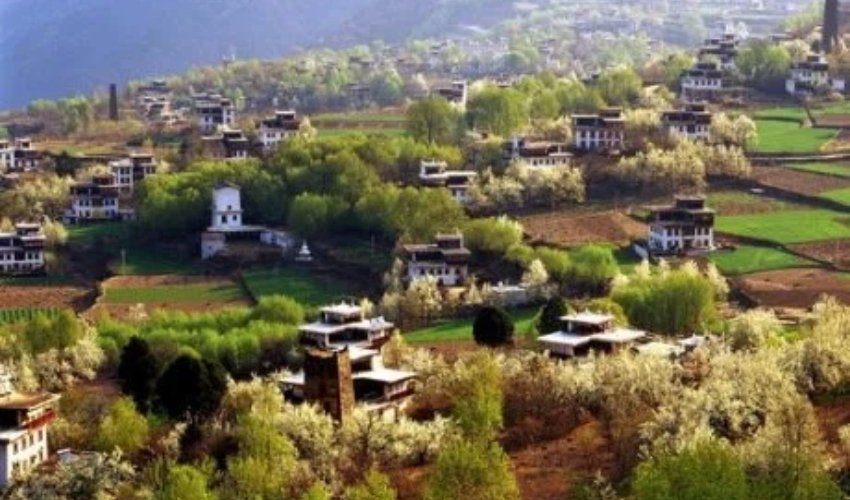
Exploring the Sichuan-Tibet route is a dream for many travelers seeking a journey filled with breathtaking landscapes, spiritual experiences, and cultural immersion. A well-planned Sichuan-Tibet route itinerary allows you to experience everything from high-altitude plateaus to traditional Tibetan villages, ensuring an unforgettable adventure. Understanding the key stops, travel tips, and acclimatization strategies is essential for crafting the perfect journey.
Understanding the Sichuan-Tibet Route
The Sichuan-Tibet route is one of the most scenic and culturally rich travel paths in China. It typically starts from Chengdu, the capital of Sichuan Province, and winds through mountainous terrain, deep gorges, and historic Tibetan towns before reaching the spiritual heart of Tibet, Lhasa. The route is not only about stunning natural landscapes but also about connecting with Tibetan culture and spirituality, making careful planning crucial. A well-structured Sichuan-Tibet route itinerary will balance sightseeing, travel, and rest to ensure a safe and memorable journey.
Planning Your Journey: Chengdu to Kangding
Chengdu, known for its relaxed pace and culinary delights, is the perfect starting point for the Sichuan-Tibet route itinerary. Before heading into higher altitudes, explore the city’s famous attractions such as the Giant Panda Breeding Research Base and the lively Jinli Street. Sampling Sichuan cuisine, especially the iconic hotpot, is an essential part of your preparation.
From Chengdu, the journey moves toward Kangding, often considered the gateway to Tibet. Kangding, with its mix of Tibetan and Han cultures, offers beautiful rivers, historic temples, and traditional markets. This leg of the Sichuan-Tibet route itinerary introduces travelers to the changing landscapes—from Sichuan’s lush greenery to the rugged terrains of the Tibetan plateau.
Majestic Landscapes: Kangding to Tagong
The stretch from Kangding to Tagong is renowned for its stunning high-altitude scenery. Rolling grasslands, crystal-clear rivers, and distant snow-capped peaks create postcard-perfect views along the way. Tagong is home to one of the largest Tibetan monasteries in the region, offering travelers a chance to witness traditional Buddhist practices. Incorporating Tagong into your Sichuan-Tibet route itinerary is ideal for those seeking cultural depth alongside natural beauty.
During this part of the journey, it’s important to acclimatize gradually to avoid altitude sickness. Short hikes, proper hydration, and light meals will help your body adjust as you ascend to higher altitudes.
Experiencing Tibetan Culture: Litang and Batang
Continuing along the Sichuan-Tibet route itinerary, Litang and Batang are essential stops. Litang is known for its annual horse festival, one of the most vibrant cultural events in Tibet. Travelers visiting during the festival can witness horse racing, traditional Tibetan music, and dance performances. Batang, a town with a rich trading history, offers glimpses into Tibetan everyday life, with bustling markets and friendly locals.
These towns are perfect for those who want to engage with Tibetan culture in a more personal way. Spending a day or two in Litang and Batang allows you to understand the local traditions, sample Tibetan cuisine, and explore monasteries that are often centuries old.
Crossing the High Plateau: Markam to Chamdo
As your Sichuan-Tibet route itinerary progresses, the journey enters the high plateau region, with Markam and Chamdo as key stops. The landscapes here are dramatically different, featuring vast plains, high-altitude lakes, and distant mountain ranges. This segment of the route is less populated, offering travelers a sense of solitude and connection with nature.
Markam serves as a gateway to Tibet’s interior, while Chamdo provides a glimpse of Tibetan city life. Both towns offer opportunities for trekking, photography, and cultural exploration. Adequate rest and careful pacing remain crucial at this stage of your Sichuan-Tibet route itinerary due to the increasing altitude.
Spiritual Highlights: Derge and Ganzi
For travelers interested in Tibetan spirituality, Derge and Ganzi are must-visit stops along the Sichuan-Tibet route itinerary. Derge is famous for its printing house, where ancient Buddhist texts are still reproduced using traditional woodblock printing techniques. Ganzi, surrounded by majestic mountains, offers serene monasteries and panoramic vistas. These destinations combine spiritual significance with the natural beauty of the Tibetan plateau, making them highlights of any itinerary.
Exploring monasteries, engaging with monks, and learning about Tibetan Buddhist practices add a meaningful dimension to the journey. These cultural experiences should be integrated thoughtfully into the Sichuan-Tibet route itinerary to ensure a balance between sightseeing and spiritual exploration.
Final Stretch: Reaching Lhasa
The culmination of the Sichuan-Tibet route itinerary is Lhasa, the capital of Tibet. Lhasa is home to iconic sites such as the Potala Palace, Jokhang Temple, and Barkhor Street. The city offers an immersive experience into Tibetan culture, religion, and history, making it the perfect endpoint for your journey.
Arriving in Lhasa after the long trek through mountains, rivers, and towns provides a sense of accomplishment. It is important to spend a few days here to fully explore the city, adjust to the altitude, and appreciate the spiritual ambiance. Lhasa represents the rich culmination of your Sichuan-Tibet route itinerary, blending adventure, culture, and personal discovery.
Tips for a Successful Sichuan-Tibet Route Itinerary
Planning a successful Sichuan-Tibet route itinerary requires attention to detail and preparation. Here are some key tips:
- Acclimatization: Ascend gradually to prevent altitude sickness and ensure a comfortable journey.
- Travel Season: Late spring to early autumn is the best time, offering milder weather and clearer roads.
- Transport: Consider hiring experienced drivers or joining guided tours for safety on winding mountain roads.
- Packing: Bring layered clothing, sun protection, and essential medicines.
- Cultural Respect: Learn basic Tibetan customs and etiquette to enhance your interactions with locals.
Conclusion
Crafting the perfect Sichuan-Tibet route itinerary involves careful planning, cultural curiosity, and an adventurous spirit. From Chengdu’s vibrant city life to the high-altitude serenity of Lhasa, each stop along the route offers unique landscapes and cultural experiences. Following a thoughtfully designed Sichuan-Tibet route itinerary ensures that you enjoy the journey safely while fully immersing yourself in the awe-inspiring beauty and rich heritage of this iconic region. For any traveler seeking an unforgettable adventure through mountains, monasteries, and Tibetan culture, this journey is truly life-changing.
This article has seamlessly incorporated the keyword sichuan-tibet route itinerary, emphasizing both travel guidance and cultural insights for an immersive experience.