
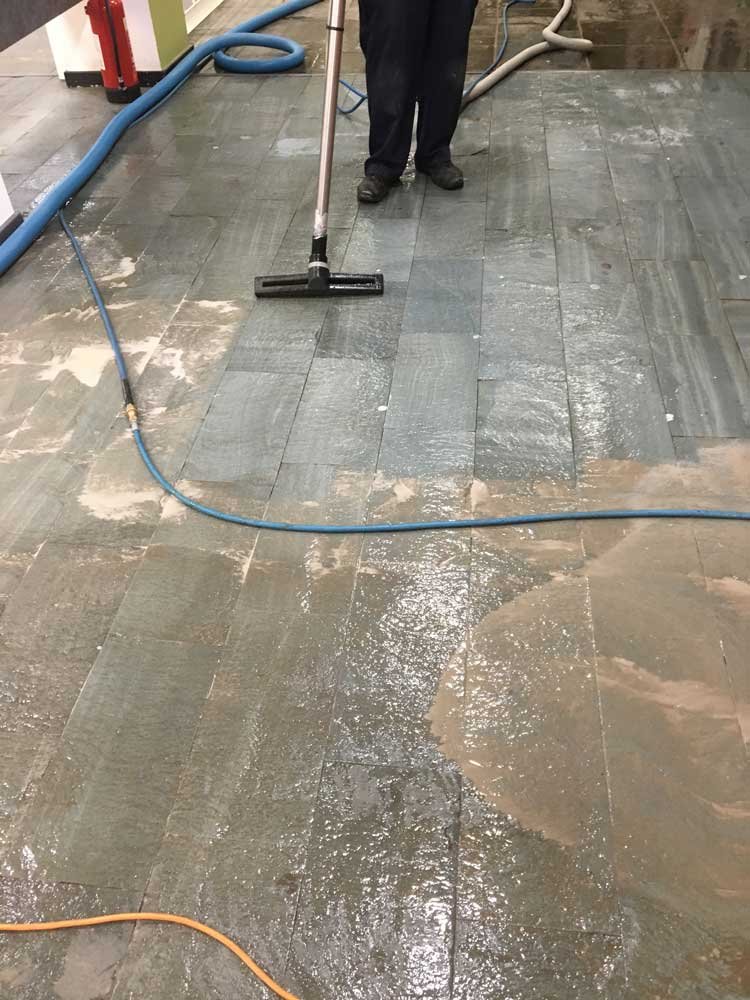
Flooding can strike suddenly, leaving devastation in its wake. Whether it’s from a natural disaster, heavy rainfall, or a plumbing mishap, water damage can affect your home or business in ways that require immediate attention. When faced with such a situation, hiring a professional flood cleaning service becomes essential. But what does it cost, and what factors influence the pricing? This guide will help you understand the costs, what services to expect, and how to prepare financially.
Understanding Flood Cleaning Services
A flood cleaning service is specialized in mitigating water damage, removing contaminated water, and restoring affected areas to safe, livable conditions. These services go beyond simple mopping and drying; they address structural damage, mold prevention, and sanitization. Professionals bring advanced equipment such as industrial pumps, air movers, and moisture meters to ensure complete restoration.
Flood cleaning services typically involve several steps, including water extraction, drying, cleaning, disinfection, and sometimes reconstruction. Each of these steps contributes to the overall cost, and understanding them helps homeowners anticipate what their investment covers.
Factors That Influence the Cost
The cost of a flood cleaning service can vary widely based on multiple factors. Knowing what affects pricing can help you make informed decisions when hiring professionals.
Severity of the Flood
One of the primary determinants of cost is the severity of the water damage. A small leak or minor basement flood may require minimal intervention, while extensive flooding affecting multiple rooms or the structural integrity of a home will increase the price significantly. The amount of water, duration of exposure, and the type of water (clean, gray, or black) also impact cost, as more contaminated water requires specialized handling.
Size of the Affected Area
The larger the area impacted by flooding, the higher the cost. Flood cleaning services typically charge based on square footage, so homes or commercial properties with extensive damage naturally incur higher fees. For example, a single room may cost a few hundred dollars to clean, while an entire floor or multi-room property could run into several thousand.
Type of Water Damage
Water is categorized into three types: clean water, gray water, and black water. Clean water comes from broken pipes or rain and is less hazardous, whereas gray water contains chemicals or contaminants, and black water carries pathogens and requires strict safety measures. The risk level determines the techniques and protective measures needed, impacting labor and equipment costs.
Equipment and Technology
Advanced equipment is essential for proper flood cleanup. Industrial-grade pumps, dehumidifiers, and air movers ensure thorough drying and prevent mold growth. Some services use infrared cameras and moisture meters to detect hidden dampness. The use of high-tech equipment increases operational costs, which is reflected in the service price.
Labor Intensity
Labor is a significant component of flood cleaning service costs. The more intensive the cleanup, the higher the labor charges. Tasks like moving furniture, removing damaged materials, disinfecting surfaces, and monitoring drying progress require trained personnel. Emergency services outside regular working hours may also incur additional labor fees.
Location
Geographical location can affect pricing. Areas prone to flooding may have higher service rates due to increased demand, while regions with fewer incidents may charge less. Urban areas often have higher labor and operational costs than rural areas, influencing the overall price.
Typical Cost Ranges
Flood cleaning service costs can vary widely, but understanding typical ranges helps you set expectations. For minor water damage affecting a single room, you might expect costs between $500 and $1,500. Moderate flooding impacting multiple rooms can range from $2,000 to $6,000. Severe flooding, involving structural damage or black water, may exceed $10,000.
It’s important to note that these are general estimates. The final cost depends on the factors mentioned above, and only a professional inspection can provide an accurate quote. Many flood cleaning services offer free assessments, which are valuable for budgeting purposes.
What Services Are Included
Hiring a flood cleaning service usually includes more than water removal. Here’s what a typical service covers:
Water Extraction
The first step is removing standing water. This requires pumps, vacuums, and sometimes submersible equipment for large-scale floods. Complete water extraction is crucial to prevent further damage and mold growth.
Drying and Dehumidification
After water removal, affected areas must be dried thoroughly. High-powered air movers and dehumidifiers are used to eliminate residual moisture from walls, floors, and furniture. Proper drying prevents warping, staining, and structural weakening.
Cleaning and Sanitization
Floodwaters often carry contaminants, so cleaning and disinfecting surfaces is essential. Flood cleaning services use specialized cleaning agents and sanitizers to remove bacteria, mold spores, and other harmful substances, ensuring the area is safe for occupancy.
Mold Prevention and Remediation
Flooding creates ideal conditions for mold growth. Many services include mold inspection and treatment as part of their package. Preventive measures may involve applying antimicrobial solutions and monitoring moisture levels for weeks after the initial cleanup.
Restoration and Repairs
Some flood cleaning services also handle minor repairs, such as replacing drywall, flooring, or insulation. Full restoration ensures the property returns to its pre-flood condition, which can be critical for insurance claims.
Tips for Reducing Costs
While flood damage is unpredictable, there are ways to minimize costs:
- Act Quickly: Prompt water removal reduces damage severity and labor costs.
- Document Damage: Take photos and videos for insurance purposes, which can offset your out-of-pocket expenses.
- Preventive Measures: Installing sump pumps, proper drainage systems, and waterproofing can reduce the impact of future floods.
- Compare Quotes: Get estimates from multiple flood cleaning services to find the best value.
Working with Insurance
Many homeowners’ insurance policies cover flood damage if caused by specific events. It’s crucial to contact your insurance company immediately and provide documentation of the damage. A flood cleaning service can often work directly with your insurer, streamlining the claims process. Understanding coverage details will help you avoid unexpected costs and ensure maximum reimbursement.
Choosing the Right Service
Not all flood cleaning services offer the same quality. Look for companies that are certified, have good reviews, and provide detailed quotes. Experienced professionals prioritize safety, use modern equipment, and follow industry standards for water damage restoration.
Before hiring, ask about:
- Their experience with different types of water damage
- Response time and availability
- Certification and training of technicians
- Equipment and techniques used
- Warranty or guarantee on their work
Conclusion
Flood cleaning services are a vital investment when your property suffers water damage. Costs can vary depending on severity, area size, water type, and other factors, but understanding these elements helps you plan effectively. From water extraction to mold prevention and restoration, professional services ensure your home or business is safe and habitable. Acting quickly, documenting damage, and choosing reputable service providers can help manage expenses while protecting your property.
Being informed about what to expect not only reduces stress during an emergency but also ensures that your investment in a flood cleaning service delivers lasting results. Proper cleanup and restoration are not just about aesthetics—they safeguard health, prevent further damage, and preserve the value of your property.