
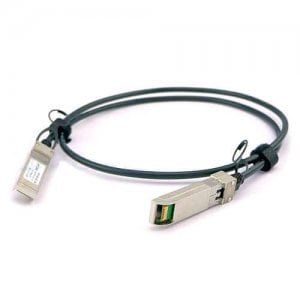
When it comes to high-speed data transmission, choosing the right cable is critical for network performance. QSFP28 cables are increasingly popular in data centers and enterprise networks due to their ability to handle speeds up to 100Gbps. However, not all QSFP28 cables are created equal. Understanding the differences can save you from compatibility issues and ensure your network runs smoothly. This guide will help you make an informed decision before purchasing a QSFP28 cable.
Understanding QSFP28 Cables
QSFP28 stands for Quad Small Form-Factor Pluggable 28, which is an evolution of the QSFP+ standard. It supports 100Gbps data transfer over either short or long distances, depending on the type of cable you choose. QSFP28 cables are commonly used for high-speed interconnects between switches, servers, and storage devices.
There are two main types of QSFP28 cables: Direct Attach Copper (DAC) cables and Active Optical Cables (AOC). Each type has its advantages and limitations, making it crucial to evaluate your network’s specific needs before buying.
Direct Attach Copper QSFP28 Cables
Direct Attach Copper cables, or DAC cables, are essentially copper cables with transceivers integrated at both ends. They are typically available in lengths ranging from 0.5 meters to 7 meters. DAC cables are ideal for short-distance connections within the same rack or adjacent racks.
One of the key benefits of DAC cables is cost-effectiveness. They are significantly cheaper than optical solutions, making them a popular choice for data centers looking to minimize expenses. Another advantage is low latency, as copper cables provide direct electrical signals without the need for optical conversion.
However, DAC cables have limitations. Their transmission distance is shorter compared to optical cables, and beyond certain lengths, the signal quality may degrade. This makes them less suitable for large-scale networks that require inter-rack or long-distance connections.
Fiber-MART offers a wide selection of high-quality QSFP28 cable DAC options. These cables are designed to meet industry standards and ensure reliable performance, making them a dependable choice for short-distance high-speed connections.
Active Optical QSFP28 Cables
Active Optical Cables (AOC) combine the reliability of copper connections with the benefits of optical technology. Unlike DAC cables, AOC uses optical fiber to transmit data, allowing for longer distances without signal degradation. Typical lengths for AOC range from 1 meter up to 100 meters or more, making them suitable for complex data center architectures.
The primary advantage of AOC is its ability to maintain high-speed performance over long distances while consuming less power than comparable copper solutions. Additionally, AOCs are more flexible and lighter, making cable management easier in dense networking environments.
The downside is cost; AOC cables are generally more expensive than DAC cables. However, for networks that require longer distance connections or future scalability, investing in a high-quality QSFP28 cable AOC from Fiber-MART can provide long-term benefits.
Key Considerations When Choosing a QSFP28 Cable
When comparing QSFP28 cables, several factors should guide your decision:
Distance Requirements: Determine the distance between devices before choosing DAC or AOC. For short-range connections under 7 meters, DAC is cost-effective. For distances beyond that, AOC is the better choice.
Network Speed Compatibility: Ensure the QSFP28 cable supports 100Gbps. While most modern QSFP28 cables do, some older models or lower-grade cables may not fully support the maximum speed.
Connector Type: QSFP28 cables have different connector configurations, such as MPO or LC for optical cables. Choosing the correct connector type ensures compatibility with your networking equipment.
Power Consumption: Active optical cables typically consume less power than copper DAC cables, which can be an important consideration for large data centers aiming to reduce energy costs.
Flexibility and Installation: If you need flexible cabling for tight spaces or complex routing, AOC offers lighter and more pliable options. DAC cables can be stiffer, which might make installation more challenging in some setups.
Budget: Your budget will influence your choice. While DAC cables are cheaper, AOCs provide higher performance over longer distances. Fiber-MART offers a range of QSFP28 cables to meet different budget requirements without compromising on quality.
Compatibility and Standards
One of the most critical aspects of selecting a QSFP28 cable is ensuring compatibility with your existing network equipment. QSFP28 cables are designed to comply with standards such as IEEE 802.3bj, ensuring reliable performance across different devices.
Fiber-MART ensures that all their QSFP28 cables are fully compliant with industry standards, offering plug-and-play functionality with minimal configuration. This guarantees seamless integration with switches, servers, and storage solutions from major manufacturers.
Common Misconceptions About QSFP28 Cables
Many buyers assume that all QSFP28 cables are interchangeable, but this is not the case. Differences in cable length, connector type, and active versus passive technology can lead to compatibility issues if not carefully checked. Another misconception is that DAC cables are outdated; in reality, DAC cables are still highly effective for short-range, high-speed connections and remain a cost-efficient choice for many networks.
It is also important to note that using low-quality cables can result in network instability, higher latency, and even equipment damage. Choosing a trusted supplier like Fiber-MART ensures that you get cables that meet strict quality and reliability standards.
Installation Tips for QSFP28 Cables
Proper installation is essential for maintaining network performance. For DAC cables, avoid bending the cable beyond recommended angles, as this can damage the copper wiring. For AOC, handle the fiber optic connectors carefully to prevent contamination or scratches, which can affect signal quality.
Labeling your QSFP28 cables during installation helps with future maintenance and troubleshooting. Fiber-MART provides high-quality cables that are easy to install, and they often include clear documentation to guide network engineers through the process.
Conclusion
Choosing the right QSFP28 cable is a critical step for ensuring high-speed, reliable network connections. Whether you select a DAC or AOC, consider factors such as distance, speed requirements, connector type, power consumption, and budget.
Fiber-MART offers a comprehensive selection of QSFP28 cables that meet industry standards, ensuring compatibility, reliability, and performance. By understanding your network’s needs and the differences between cable types, you can make an informed decision that supports your data center or enterprise network efficiently. Investing in quality QSFP28 cables today can prevent costly network issues tomorrow and help maintain seamless high-speed data transmission across your infrastructure.