
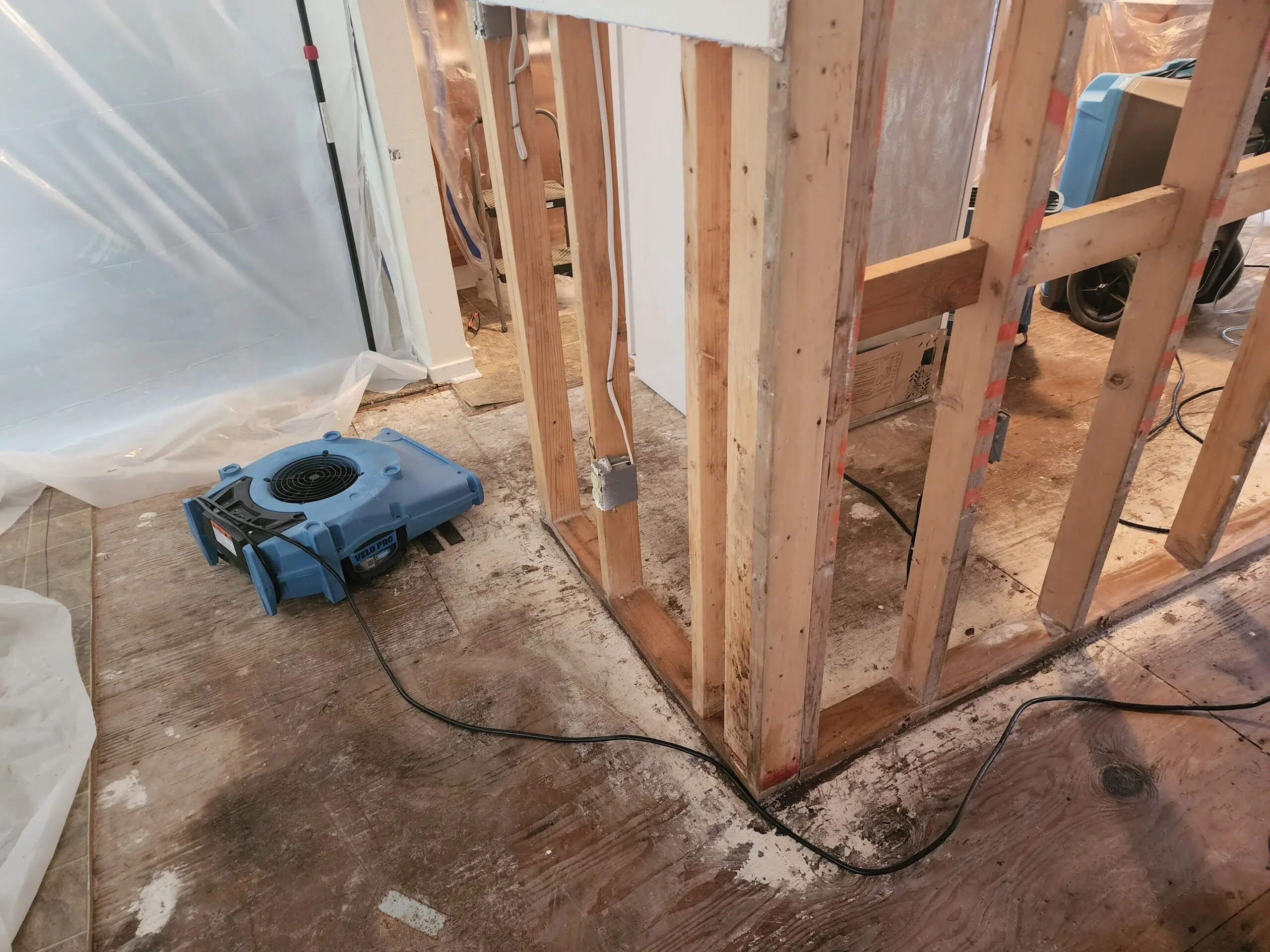
Water damage can strike unexpectedly, whether due to natural disasters, plumbing failures, or accidents at home. Choosing the right water restoration services is essential to protect your property, health, and peace of mind. The process of finding the right experts involves understanding the scope of services, evaluating their reliability, and ensuring they have the right tools and expertise to handle your situation. This guide will walk you through the crucial steps to make an informed decision when selecting water restoration services for your home.
Understanding Water Restoration Services
Water restoration services encompass a variety of procedures designed to restore your home after water damage. This includes water extraction, drying and dehumidification, cleaning and sanitizing affected areas, and repairing structural damage. Professional services may also involve mold remediation, especially when water damage has been present for more than 24-48 hours. Understanding the full scope of what water restoration services can provide helps homeowners make the right choice and avoid costly mistakes.
Many homeowners initially underestimate the complexity of water damage. It’s not just about removing visible water; hidden moisture can cause long-term issues like warped floors, weakened walls, and mold growth. Water restoration services employ advanced tools like moisture meters, infrared cameras, and industrial-grade dehumidifiers to ensure that every affected area is properly treated.
Assessing the Extent of Damage
Before hiring water restoration services, it’s important to assess the damage to your home. Start by identifying visible signs such as water stains, warped flooring, peeling paint, and musty odors. Inspect hidden areas, including behind walls, under carpets, and in crawl spaces, as water often seeps into these spots. While you can perform a basic assessment yourself, professionals provide thorough inspections that can uncover less obvious issues that could become major problems if left untreated.
Proper assessment also helps determine the type of water involved. Clean water from broken pipes requires different treatment than gray water from appliances or black water from sewage backups. Each type of water damage requires specific protocols to ensure complete restoration, making expert water restoration services invaluable.
Evaluating Experience and Expertise
Experience matters significantly when selecting water restoration services. Look for companies that have a proven track record in handling residential water damage. Ask about their certifications and training, such as IICRC (Institute of Inspection, Cleaning, and Restoration Certification), which demonstrates adherence to industry standards. Experienced professionals understand the nuances of water damage, from preventing secondary damage to implementing efficient drying techniques.
Expertise also includes knowledge of local building codes and insurance processes. Water restoration services that are familiar with these aspects can help you navigate claims and ensure your home is restored correctly and safely. Working with skilled professionals reduces the risk of incomplete restoration and ensures a faster, more reliable recovery process.
Checking Reputation and Reviews
One of the best ways to evaluate water restoration services is through customer reviews and testimonials. Look for feedback on platforms such as Google, Yelp, or the Better Business Bureau. Positive reviews typically indicate consistent quality of service, while repeated complaints about delays, poor communication, or substandard work should be red flags.
Additionally, ask for references from previous clients. Speaking directly with homeowners who have used the services can provide insight into the company’s reliability, professionalism, and overall effectiveness. A reputable company will be transparent and willing to share this information.
Understanding Available Equipment and Technology
Water restoration services rely heavily on specialized equipment to remove water and dry affected areas efficiently. Industrial-grade water extractors, air movers, and dehumidifiers are essential for rapid water removal and moisture control. Infrared cameras and moisture meters help identify hidden water pockets, preventing mold growth and structural damage.
When evaluating potential services, inquire about the tools and technology they use. Companies that invest in modern equipment often provide faster, safer, and more thorough restoration. The right technology also ensures that restoration is done systematically, minimizing the chances of recurring water problems.
Evaluating Response Time
Time is a critical factor in water damage restoration. The longer water sits in your home, the more severe the damage becomes, and the higher the risk of mold growth. Water restoration services that offer prompt response times can limit damage, reduce repair costs, and help you return to normal life faster.
Ask prospective companies about their emergency response procedures. Reputable services usually provide 24/7 availability and guarantee rapid arrival on-site. A quick response is particularly important in cases of flooding, burst pipes, or appliance failures that can escalate quickly if not addressed immediately.
Understanding the Cost and Insurance Support
Cost is always a consideration when selecting water restoration services. While it’s tempting to choose the cheapest option, focus on value rather than just price. Inadequate restoration can lead to recurring problems and higher expenses in the long run.
Many water restoration services work closely with insurance companies, helping homeowners file claims and document damage. This can save time and reduce stress during a challenging situation. Make sure to clarify the payment structure, what is included in the service, and any potential additional charges before committing.
Prioritizing Safety and Health
Water damage can pose significant health risks, especially if it involves contaminated water. Black water from sewage or floodwater carries pathogens that can cause illness. Even clean water that has been sitting for too long can promote mold growth and create respiratory hazards.
Professional water restoration services follow strict safety protocols, including the use of protective gear, disinfectants, and proper disposal methods. Choosing a company that prioritizes safety ensures that your home is not only restored aesthetically but also safe for your family to live in.
Confirming Warranties and Guarantees
A reliable water restoration service will stand behind its work. Look for companies that offer warranties or guarantees for their services. This provides peace of mind, knowing that if issues arise after restoration, the company will address them promptly. Warranties can cover areas such as water extraction effectiveness, drying completeness, and mold prevention.
Making the Final Decision
When choosing water restoration services, combine all the factors discussed: experience, reputation, technology, response time, cost, insurance support, safety, and warranties. Take time to compare multiple providers, ask questions, and evaluate their professionalism. Trustworthy companies will provide clear explanations, transparent pricing, and confident recommendations tailored to your specific situation.
Selecting the right water restoration services can make a significant difference in how quickly and effectively your home recovers from water damage. With proper research and careful consideration, you can restore your property safely, efficiently, and with minimal stress.
Water damage is never convenient, but with the right professionals on your side, you can protect your home and family, and prevent future issues from arising. Prioritize expertise, equipment, and reputation, and you will find water restoration services that meet your needs and provide lasting peace of mind.