
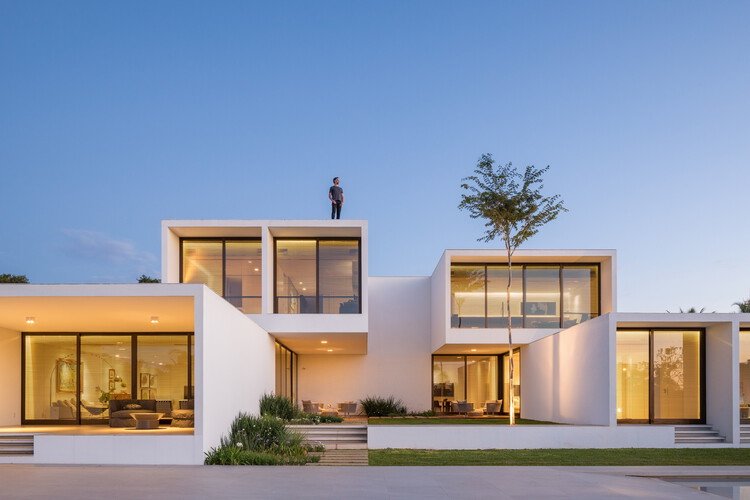
Biophilic design is rapidly transforming the landscape of modern architecture and design by emphasizing a deep connection between humans and nature. This design philosophy integrates natural elements into built environments, enhancing well-being, productivity, and aesthetic appeal. Unlike conventional design that often prioritizes functionality alone, biophilic design seeks to harmonize the environment with human psychological and physiological needs. From residential developments to commercial spaces, architects and designers are increasingly recognizing the value of incorporating natural materials, vegetation, and natural light into their projects.
The core principle of biophilic design is that humans have an innate affinity for nature, a concept known as biophilia. Studies have shown that exposure to natural elements can reduce stress, improve cognitive function, and boost mood. Architects are therefore leveraging these insights to create spaces that not only meet functional requirements but also promote holistic well-being. For instance, incorporating indoor plants, water features, and large windows that allow natural light can transform conventional office layouts into rejuvenating environments.
One of the primary ways biophilic design manifests is through material selection. Using natural wood, stone, and other organic materials can evoke a sense of warmth and connection to the outdoors. Similarly, integrating textures that mimic nature, such as wood grain or stone surfaces, contributes to a tactile experience that reinforces this connection. Architects often combine these materials with neutral color palettes and soft lighting to create interiors that feel both modern and naturally inviting.
Spatial design is another critical aspect of biophilic architecture. Open floor plans, high ceilings, and strategically placed windows can create a sense of spaciousness and freedom, reminiscent of natural landscapes. Indoor gardens and atriums further enhance this effect, allowing occupants to experience greenery even within dense urban areas. By considering sightlines and the movement of natural light, designers can ensure that spaces feel dynamic and alive throughout the day.
Water elements, such as fountains, reflecting pools, or even small indoor streams, are frequently incorporated in biophilic designs. The presence of water not only adds visual and auditory appeal but also provides a calming effect on occupants. In office spaces, for example, gentle water features can reduce stress and enhance focus, making them valuable tools for creating productive environments.
Biophilic design also extends to building exteriors. Green facades, rooftop gardens, and vertical landscaping help integrate buildings into their natural surroundings, while simultaneously providing environmental benefits such as improved air quality and thermal regulation. In urban contexts, where green spaces may be limited, these solutions allow cities to maintain a sense of ecological balance while promoting biodiversity.
Lighting plays a pivotal role in biophilic design. Maximizing natural daylight reduces the reliance on artificial lighting and creates a healthier circadian rhythm for occupants. Architects often use skylights, floor-to-ceiling windows, and glass walls to ensure that sunlight penetrates deep into the interior. Additionally, dynamic lighting systems that mimic the natural progression of daylight can enhance the experience of indoor spaces during evenings and cloudy days.
Acoustic design is another often-overlooked element. Incorporating natural sounds or materials that absorb noise can simulate the calming auditory experience of nature. Soundscapes that include gentle water flow, bird songs, or rustling leaves contribute to stress reduction and can enhance concentration in workspaces.
When it comes to urban planning and property development, biophilic design is becoming a key differentiator. Projects that incorporate nature seamlessly are not only more visually appealing but often command higher property values. In some regions, linking the concept of biophilic design with practical property documentation, such as the erf number, ensures that design considerations align with legal and cadastral requirements. The erf number, which uniquely identifies a property parcel, is essential when developers plan gardens, green spaces, or building modifications that adhere to zoning and municipal regulations. By connecting biophilic design with these planning tools, architects and developers can ensure compliance while promoting sustainable living environments.
Sustainability and biophilic design often go hand in hand. Green roofs, rainwater harvesting systems, and energy-efficient materials are integrated into projects that aim to minimize environmental impact while enhancing human-nature connections. This holistic approach ensures that developments are not only aesthetically pleasing but also ecologically responsible. For instance, selecting native plant species for rooftop gardens reduces water usage and supports local biodiversity.
The psychological benefits of biophilic design are profound. Studies have demonstrated that individuals who spend time in nature-inspired environments report lower levels of stress and higher levels of creativity. In schools, biophilic classrooms have been linked to improved concentration and learning outcomes. In healthcare settings, patients recover more quickly when surrounded by natural elements. This evidence reinforces the importance of incorporating biophilic principles in all types of architecture, from homes to hospitals to commercial hubs.
Technology is enhancing the ways architects implement biophilic design. Advanced modeling software allows designers to simulate daylight, airflow, and spatial acoustics, ensuring that natural elements are optimized throughout a building. Virtual reality tools enable stakeholders to experience proposed designs before construction, allowing for adjustments that maximize both functionality and the psychological benefits of nature.
Community engagement is also a growing trend in biophilic architecture. Developers are increasingly involving local communities in the planning of parks, gardens, and shared green spaces. This collaborative approach fosters a sense of ownership and encourages long-term maintenance of these natural areas. The combination of community participation and thoughtful design creates environments that are both socially and ecologically resilient.
In conclusion, biophilic design represents a paradigm shift in architecture and design, one that prioritizes human well-being alongside aesthetic and functional considerations. By integrating natural materials, vegetation, water elements, and sunlight into built environments, architects and developers are creating spaces that resonate with our intrinsic connection to nature. The thoughtful use of tools like the erf number ensures that these designs comply with legal standards while optimizing the environmental and social benefits of greenery. As urbanization continues to rise, biophilic design offers a blueprint for sustainable, livable, and harmonious spaces that nurture both people and the planet.
Modern architecture that embraces biophilic principles is no longer just a trend—it is a necessity for healthier, more sustainable, and more human-centered living environments.