
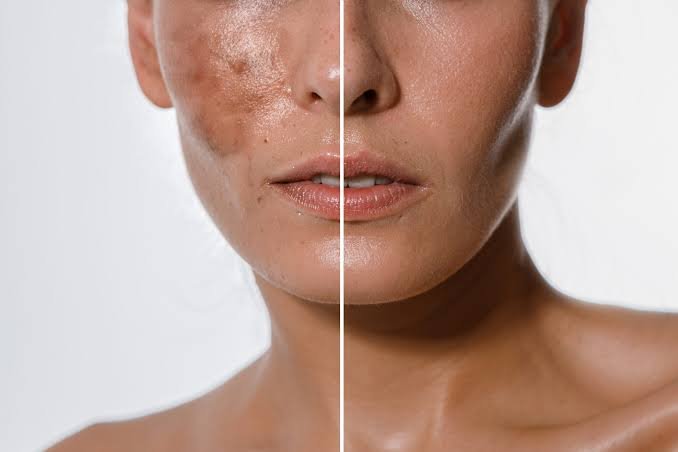
Hyperpigmentation is one of the most common skin concerns faced by individuals worldwide. Whether triggered by stubborn acne scars, sun damage, hormonal fluctuations, or natural aging, dark spots and uneven skin tone can significantly impact confidence. Fortunately, advancements in modern dermatology have introduced sophisticated solutions, making Laser Treatments for Hyperpigmentation a gold standard in achieving clear, luminous skin.
However, undergoing a laser procedure is only half the battle. Achieving radiant, long-lasting results requires a strategic approach that spans pre-treatment preparation, precision during the procedure, and meticulous aftercare. This comprehensive guide explores actionable tips to maximize your skin transformation and ensure the best possible clinical outcomes.
Understanding Hyperpigmentation and How Lasers Work
Before diving into procedural tips, it is crucial to understand what you are treating. Hyperpigmentation occurs when an excess of melanin—the pigment responsible for skin, hair, and eye color—collects in specific areas of the skin. This leads to flat, darkened patches or spots such as sun lentigines, melasma, and post-inflammatory hyperpigmentation (PIH).
Laser devices work on the principle of selective photothermolysis. This means the device emits a specific wavelength of light that is absorbed target-specifically by the melanin pigment. The light energy breaks up the accumulated pigment clusters into microscopic fragments, which the body’s natural lymphatic system then clears away over the following days and weeks. Different lasers—such as Q-switched lasers, Pico lasers, and fractional resurfacing lasers—cater to different depths and types of pigment, making a personalized diagnosis essential.
Choosing the Right Practitioner and Technology
The success of your skin journey relies heavily on professional expertise. Not all lasers are created equal, and what works wonders for sun-induced freckles may exacerbate hormonal melasma.
- Prioritize Board-Certified Professionals: Always seek treatment from a board-certified dermatologist, plastic surgeon, or a licensed practitioner operating under direct medical supervision. They possess the deep anatomical and physiological knowledge required to assess your Fitzpatrick skin type accurately.
- Understand Your Skin Type: Melanin-rich skin types (Fitzpatrick types IV through VI) are at a higher risk of post-inflammatory hyperpigmentation if the wrong laser or incorrect energy settings are used. Advanced clinics utilize specialized Pico or long-pulsed lasers that safely bypass the surface skin layers to target deep pigment without triggering thermal damage.
- Comprehensive Consultation: A thorough initial consultation should include a digital skin analysis to map out subsurface pigment that is not yet visible to the naked eye. This ensures your provider designs a bespoke treatment plan tailored to your specific dermatological needs.
Preparing Your Skin Before Laser Treatments for Hyperpigmentation
The groundwork you lay in the weeks leading up to your session dictates how effectively your skin will respond and heal. Proper preparation minimizes risks and primes the skin for optimal pigment clearance.
- Strict Sun Avoidance: Sun-exposed or tanned skin contains active, highly reactive melanocytes. Exposing recently tanned skin to high-energy lasers drastically increases the risk of burns and rebound hyperpigmentation. Protect your skin with a broad-spectrum SPF 30 or higher daily for at least four weeks before your appointment.
- Pause Potent Actives: Discontinue the use of chemical exfoliants (such as glycolic and salicylic acid), physical scrubs, retinoids, and prescription bleaching agents like hydroquinone if advised by your doctor, typically 3 to 7 days prior to your session. This prevents skin barrier compromise and excessive sensitivity.
- Manage Medical History: Inform your practitioner about any history of cold sores, as laser resurfacing around the mouth can trigger outbreaks. Preventive antiviral medications are often prescribed prior to the procedure.
Essential Post-Treatment Care Tips for Optimal Results
The immediate recovery window is a critical phase where your skin requires gentle care to regenerate and reveal a clearer complexion.
- Prioritize Gentle Cleansing and Deep Hydration: Post-laser skin is temporarily compromised and sensitive. Use a mild, fragrance-free cleanser and lukewarm water. Follow up with a barrier-repairing moisturizer containing ceramides, hyaluronic acid, or peptides to soothe inflammation and lock in moisture.
- Never Pick, Peel, or Scrub: Depending on the type of laser used, you may experience minor micro-crusting, bronzing, or flaking as the pigment rises to the surface and sloughs off. Let this process happen naturally. Picking at flakes can cause scarring and permanent discoloration.
- Relieve Inflammation Safely: Mild redness and swelling are normal, resembling a mild sunburn. Apply cool compresses or thermal water sprays as recommended by your clinician to calm the skin. Avoid ice directly on the face.
Long-Term Maintenance and Preventing Rebound Pigmentation
Clearing existing dark spots is a major milestone, but maintaining your new complexion requires a lifelong commitment to skin health and sun protection.
- Sunscreen is Non-Negotiable: UV radiation is the primary trigger for melanin production. Reapply a broad-spectrum mineral or chemical sunscreen every two hours when outdoors, even on cloudy days. Physical sunscreens containing zinc oxide or titanium dioxide offer an added layer of physical defense against light and heat.
- Incorporate Brightening Maintenance Topicals: Once your skin has fully healed, introduce gentle brightening ingredients to regulate melanin production. Ingredients like vitamin C, niacinamide, alpha arbutin, and azelaic acid help maintain an even skin tone and prevent new spots from forming.
- Schedule Maintenance Sessions: Depending on the root cause of your hyperpigmentation—particularly chronic conditions like melasma—periodic maintenance treatments or low-energy toning sessions may be recommended by your dermatologist to keep pigment under control.
Conclusion
Embarking on a journey to clear, even-toned skin through Laser Treatments for Hyperpigmentation can be a life-changing experience. By combining advanced technology with expert guidance, meticulous pre-care, gentle healing practices, and diligent daily maintenance, you can achieve remarkable, glowing results. Patience, consistency, and professional partnership are your ultimate tools for unlocking a radiant, spot-free complexion that lasts.