
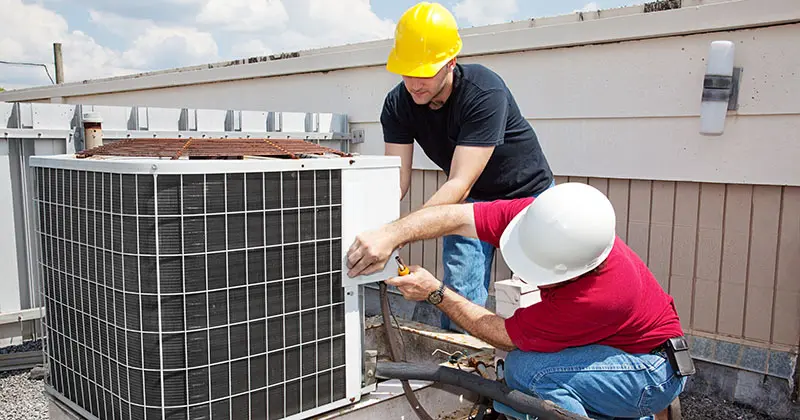
The heating, ventilation, and air conditioning (HVAC) industry is fiercely competitive. Homeowners rarely think about their heating or cooling systems until something goes wrong. When an AC unit breaks down in the middle of summer or a furnace fails on a freezing winter night, consumers turn to the fastest, most reliable local provider they can find.
To stay ahead of local competitors, HVAC business owners need a strategic, multi-channel approach to attract and retain customers. This modern marketing guide outlines the essential strategies local service professionals must implement to build a dominant local presence, generate high-quality leads, and grow a profitable business.
1. Master Local Search Engine Optimization (SEO)
When a homeowner experiences a heating or cooling emergency, their first step is usually searching online. If your business doesn’t appear on the first page of search results, you are missing out on high-intent customer leads.
Claim and Optimize Your Google Business Profile
Your Google Business Profile (GBP) is the cornerstone of your local SEO efforts. To maximize your reach:
- Complete every field: Ensure your business name, address, phone number (NAP), website, and hours of operation are fully accurate.
- Select the correct categories: Set your primary category to “HVAC Contractor” or “Air Conditioning Contractor,” and add secondary categories like “Heating Contractor” or “Furnace Repair Service.”
- Add photos and videos: Upload high-resolution images of your branded trucks, team members, and completed installation jobs to build trust with potential customers.
Build Local Citations and Backlinks
Consistency across online directories is critical for local rankings. Ensure your business details are identical across platforms like Yelp, Angi, HomeAdvisor, YellowPages, and Facebook. Additionally, earn local backlinks by sponsoring community sports teams, joining local chambers of commerce, or partnering with nearby real estate agencies.
2. Leverage High-Converting Paid Advertising
While organic SEO builds long-term authority, paid advertising delivers immediate leads. Combining search engine marketing with social media ads ensures your HVAC brand dominates every stage of the customer journey.
Google Local Services Ads (LSAs)
Google LSAs sit at the very top of search engine result pages, above traditional pay-per-click (PPC) ads. Passing the Google Guarantee screening process earns your business a badge of trust, and you only pay when a potential customer contacts you directly through the ad.
Targeted Pay-Per-Click (PPC) Campaigns
PPC ads allow you to bid on high-intent keywords such as “emergency AC repair near me” or “furnace replacement cost.” Target your campaign strictly to your service radius to prevent wasting budget on clicks outside your coverage area.
Paid Social Media Advertising
Platforms like Facebook and Instagram are ideal for visual promotions, customer testimonials, and seasonal tune-up offers. Use hyper-local targeting to reach homeowners within specific zip codes.
3. Build a High-Converting Website
Getting prospective clients to your website is only half the battle; your site must convert those visitors into booked service calls.
Key Website Elements for HVAC Contractors
- Mobile Responsiveness: Over 60% of local service searches occur on mobile devices. Your website must load fast and adjust seamlessly across all screen sizes.
- Clear Call-to-Action (CTA): Place click-to-call buttons and quick contact forms prominently at the top of every page.
- Service Area Pages: Create individual landing pages for every city or town you serve to boost local search relevance.
- Trust Signals: Display licenses, insurance details, industry certifications (such as NATE), and customer# The Ultimate HVAC Marketing Guide for Local Service Professionals
Running a successful heating, ventilation, and air conditioning (HVAC) business requires far more than technical expertise. Today’s homeowners and business owners search online the moment their air conditioner stops working or their furnace dies in the dead of winter. To win these local contracts, stay ahead of competitors, and secure year-round revenue, you need an actionable, modern strategy.
This comprehensive marketing guide breaks down the essential digital and offline tactics local HVAC contractors need to attract quality leads, build local authority, and grow their business exponentially.
Laying the Foundation: High-Converting Digital Presence
Before spending a dollar on advertising, your digital storefront must be conversion-ready. A strong online presence builds immediate trust with customers in urgent need of repairs or routine maintenance.
Building a Fast, Mobile-Optimized Website
Most HVAC service requests happen on mobile devices—often during stressful home emergencies. Your website must load in under three seconds and feature prominent click-to-call buttons at the top of every page. Organize your site with clear landing pages for each service you offer, such as AC installation, heater repair, indoor air quality checks, and seasonal tune-ups.
Setting Up and Optimizing Google Business Profile
Your Google Business Profile (GBP) is arguably the single most critical asset in your local SEO strategy. When customers search for “HVAC repair near me,” your profile determines whether you show up in the coveted Local 3-Pack.
- Fill out every detail completely, including your precise service areas, business hours, and full list of services.
- Add high-resolution photos of your branded vans, uniformed technicians, and completed installations.
- Keep business name, address, and phone number (NAP) data consistent across all web directories.
Mastering Search Engine Optimization (SEO) for HVAC
SEO ensures your business appears organically when potential clients search for solutions in your geographic area.
Targeting Local and Long-Tail Keywords
Focus on search terms that show high intent. While broad keywords like “AC repair” are competitive, localized terms like “furnace maintenance in [City Name]” or “emergency air conditioning repair near me” bring in leads ready to buy. Integrate these phrases naturally into your page titles, headers, and meta descriptions.
Creating Service-Area Landing Pages
If your technicians travel across multiple suburbs or nearby towns, create dedicated landing pages for each municipality. Tailor the content on these pages to mention local landmarks, specific climate challenges of the area, and genuine customer reviews from residents living in those zip codes.
Winning Local Reputation Management and Reviews
Social proof drives home service decisions. A strong review profile acts as a round-the-clock sales representative for your team.
Proactive Strategies to Collect Customer Reviews
Do not leave reviews to chance. Train your field technicians to ask satisfied clients for feedback right after finishing a job. Implement automated SMS and email follow-ups that send direct links to your Google or Yelp profiles within 24 hours of completing a service call.
Handling Negative Feedback Professionally
Even top-tier companies receive the occasional complaint. Respond quickly and calmly to negative reviews. Acknowledge the client’s frustration, avoid defensive language, and offer to take the conversation offline to resolve the issue. Potential customers pay close attention to how you treat dissatisfied clients.
Dominating Paid Advertising for Quick Lead Generation
While organic SEO builds long-term authority, paid advertising delivers immediate phone calls during peak heating and cooling seasons.
Google Local Services Ads (LSAs)
Local Services Ads sit at the very top of Google search results, above traditional pay-per-click (PPC) ads. Passing Google’s background checks earns you a “Google Guaranteed” badge, which builds immediate credibility. You only pay when a customer calls or messages you directly through the ad.
High-Intent Pay-Per-Click (PPC) Campaigns
Google Search Ads allow you to capture emergency demand. Bidding on high-intent search terms like “24/7 HVAC technician” ensures your business is seen first when homeowners face sudden system failures.
To maximize your ROI with Google Ads:
- Use negative keywords (e.g., “DIY,” “jobs,” “cheap”) to block non-converting traffic.
- Send ad traffic to specialized, fast-loading landing pages rather than your homepage.
- Match ad copy directly with seasonal promotions, such as discounted summer tune-ups.
Retaining Customers with Email and Direct Marketing
Acquiring a new client costs significantly more than retaining an existing one. Staying connected with past customers builds recurring revenue and off-season stability.
Promoting Annual Maintenance Agreements
Maintenance agreements (often called “VIP memberships” or “Comfort Clubs”) provide predictable, monthly recurring revenue. Offer members benefits like priority scheduling, discounted parts, and two free seasonal tune-ups per year. Promote these packages at the end of every service call and through targeted email campaigns.
Seasonal Email Campaigns
Send helpful, timely advice ahead of weather extremes. Remind customers to change their air filters before summer or schedule furnace inspections before winter hits. Incorporate limited-time discounts to encourage early bookings and smooth out seasonal demand lulls.
Building Local Partnerships and Community Trust
Local service marketing thrives on personal connections and community presence.
Co-Marketing with Complementary Services
Partner with local businesses that serve home buyers and property owners, such as plumbers, electricians, real estate agents, and home inspectors. Establish cross-referral agreements where you recommend each other’s services to clients in need of reliable contractors.
Branded Vehicles and Local Event Sponsorships
Your service trucks are mobile billboards. Clean, professionally wrapped vans featuring bold logos and easy-to-read phone numbers build brand recognition every time your team drives through local neighborhoods. Complement this visibility by sponsoring community sports teams, charity drives, or town festivals.
Tracking, Measuring, and Scaling Your Success
To maximize your return on investment, monitor performance metrics closely across every channel covered in this marketing guide. Use call tracking software to pinpoint which ad campaigns, mailers, or directory listings generate actual bookings. Track core operational metrics such as Cost Per Lead (CPL), Customer Acquisition Cost (CAC), and overall Customer Lifetime Value (CLV). Adjust your budget quarterly to reinvest heavily into your best-performing channels.
By combining strong local SEO, proactive review collection, targeted paid ads, and long-term customer retention strategies, your HVAC business can secure a dominant market position and achieve sustainable growth year after year.