
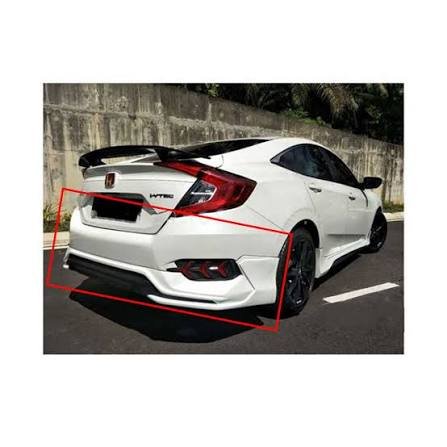
Bodykits are a popular way to enhance a vehicle’s exterior, giving it a more distinctive and customized appearance. Whether your car has a subtle styling upgrade or an aggressive bodykits aftermarket setup, proper maintenance is essential to keep the bodykits looking their best. Regular care can also help prevent scratches, fading, cracks, and other damage caused by weather, road debris, and everyday driving.
Maintaining bodykits does not have to be complicated. With the right cleaning routine, careful driving habits, and occasional inspections, you can preserve their appearance and condition for years. This guide explains practical ways to clean, protect, inspect, and care for bodykits effectively.
Understand Your Bodykit Material
Before starting a maintenance routine, it is important to know what your bodykits are made from. Common materials include fiberglass, polyurethane, ABS plastic, and carbon fiber. Each material can respond differently to heat, chemicals, impacts, and cleaning products.
Fiberglass bodykits can provide a smooth and attractive finish but may be more vulnerable to cracking from strong impacts. Polyurethane is generally flexible and can handle minor bumps better. ABS plastic is lightweight and durable, while carbon fiber requires careful handling to preserve its surface finish.
Knowing the material helps you select suitable cleaning products and avoid treatments that could damage the surface.
Wash Bodykits Regularly
Regular washing is one of the easiest ways to maintain bodykits. Dirt, dust, mud, road salt, and other contaminants can accumulate on exterior surfaces and gradually affect the finish.
Use clean water and a car-safe automotive shampoo when washing your vehicle. A soft microfiber wash mitt is preferable to rough sponges or abrasive materials. Start by rinsing the vehicle to remove loose dirt before applying shampoo.
Pay special attention to lower sections, front splitters, side skirts, rear diffusers, and other areas that are close to the road. These parts often collect more dirt and debris than the rest of the vehicle.
After washing, rinse thoroughly to remove all soap residue. Dry the vehicle with a clean microfiber towel rather than allowing water to evaporate naturally, as this can leave mineral spots on the surface.
Avoid Harsh Cleaning Chemicals
Not every household cleaning product is suitable for automotive surfaces. Strong chemicals, abrasive cleaners, and rough cleaning tools can damage paint, clear coats, plastics, or protective finishes used on bodykits.
Always choose products specifically designed for vehicle exterior care. If you are unsure whether a product is safe, test it on a small, less noticeable area first.
Avoid using abrasive powders or rough brushes on painted or glossy surfaces. Gentle products may take slightly longer to clean stubborn dirt, but they are much less likely to cause unwanted surface damage.
Protect Against Sun and Weather
Long-term exposure to sunlight can cause certain exterior materials and finishes to fade or lose their original appearance. UV exposure can be especially noticeable on painted, glossy, or carbon-fiber surfaces.
Whenever possible, park your vehicle in a garage, covered parking area, or shaded location. If covered parking is not available, consider using a high-quality vehicle cover designed for outdoor use.
Weather conditions can also affect bodykits. Heavy rain, snow, road salt, and extreme temperatures can contribute to deterioration over time. After driving in harsh conditions, washing the vehicle can help remove contaminants before they remain on the surface for extended periods.
Check for Cracks and Damage
Regular inspections can help identify small problems before they become expensive repairs. Take a few minutes to examine your bodykits after washing the vehicle.
Look closely at front bumpers, splitters, side skirts, rear sections, mounting points, and areas near the wheel arches. Look for cracks, loose fasteners, scratches, unusual gaps, or signs that a component has shifted.
Small cracks can sometimes develop after contact with potholes, speed bumps, curbs, or road debris. Addressing these problems early can help prevent further damage.
Be Careful on Rough Roads
Driving habits have a major impact on the lifespan of bodykits. Lower aftermarket components can be closer to the ground than standard factory parts, making them more vulnerable to speed bumps, steep driveways, potholes, and uneven roads.
Approach speed bumps and steep ramps slowly and carefully. When entering or leaving a driveway with a sharp incline, use a suitable angle when possible to reduce the risk of scraping.
Avoid driving aggressively over rough surfaces. Even durable bodykits can be damaged by repeated impacts, particularly around mounting points and lower exterior components.
Remove Dirt and Road Debris Quickly
Mud, insects, bird droppings, tree sap, and road contaminants should not be left on the surface for long periods. Some substances can become difficult to remove and may affect the finish if they remain exposed to heat and sunlight.
If you notice stubborn contaminants, soften them with appropriate automotive cleaning products rather than scraping them aggressively. A microfiber cloth can help remove softened debris without creating unnecessary scratches.
Quick cleaning is particularly important during hot weather because sunlight can make contaminants adhere more strongly to exterior surfaces.
Use Protective Products
Protective automotive products can provide an additional layer of care for bodykits. Depending on the finish and material, options may include automotive waxes, paint sealants, ceramic coatings, or plastic protectants.
Before applying any product, confirm that it is compatible with your particular bodykit material and finish. Some products designed for painted surfaces may not be suitable for certain plastics or specialized finishes.
A protective coating can make surfaces easier to clean while helping maintain their appearance. However, these products should complement regular washing rather than replace it.
Maintain the Paint and Finish
If your bodykits are painted, keeping the paint in good condition is an important part of overall maintenance. Regular washing and proper drying can reduce the chance of scratches and surface contamination.
Avoid automatic car washes that use harsh brushes if you are concerned about delicate aftermarket components. Manual washing with clean microfiber equipment gives you greater control over the cleaning process.
For minor surface imperfections, professional detailing may be appropriate. Deeper scratches, peeling paint, or significant damage should be assessed by an experienced automotive professional.
Inspect Mounting Hardware
Bodykits rely on secure mounting to remain properly positioned on the vehicle. Loose screws, clips, brackets, or other fasteners can cause panels to move or develop unwanted gaps.
During routine inspections, check whether components appear securely attached. If you notice loose or damaged hardware, have it repaired or replaced promptly.
Avoid improvising with unsuitable fasteners, as incorrect installation can affect both the appearance and stability of the bodykit. Professional installation and periodic inspection can help ensure that components remain properly aligned.
Store the Vehicle Properly
If your vehicle will not be driven for an extended period, consider storing it in a clean, dry, and covered environment. Before storage, wash and dry the vehicle thoroughly.
A suitable vehicle cover can provide additional protection from dust, although it should be clean and designed not to scratch the exterior. Avoid placing a cover over a dirty vehicle because trapped dust and debris can rub against the finish.
For vehicles with removable bodykit components, follow the manufacturer’s recommendations for storage and handling.
Choose Professional Repairs When Necessary
Not every bodykit problem should be handled as a DIY repair. Cracks, major scratches, broken mounting points, paint damage, and alignment problems may require professional attention.
A qualified automotive body or modification specialist can assess the damage and recommend an appropriate repair. Attempting an unsuitable repair may make the problem worse or affect the fit and appearance of the component.
Professional care is particularly valuable when dealing with expensive or specialized bodykits where correct alignment and finishing are important.
Create a Simple Maintenance Routine
Consistent care is more effective than waiting until your bodykits show serious signs of damage. Create a simple routine that includes regular washing, drying, inspection, and protection.
Check the exterior every few weeks for scratches, cracks, loose components, and unusual gaps. Clean contaminants as soon as practical and inspect lower components after driving on rough roads.
With regular attention, bodykits can continue to provide an attractive appearance while remaining in good condition. Proper maintenance also helps protect your investment and reduces the likelihood of costly repairs.
Final Thoughts
Taking care of bodykits requires a combination of regular cleaning, careful driving, protection from harsh weather, and routine inspections. Using suitable automotive products and avoiding abrasive cleaning methods can help preserve the finish, while cautious driving can reduce the risk of cracks and impact damage.
Whether your vehicle has a simple styling upgrade or a complete aftermarket exterior transformation, consistent maintenance makes a significant difference. By giving your bodykits the attention they need, you can keep your vehicle looking clean, stylish, and well-maintained for a long time.