
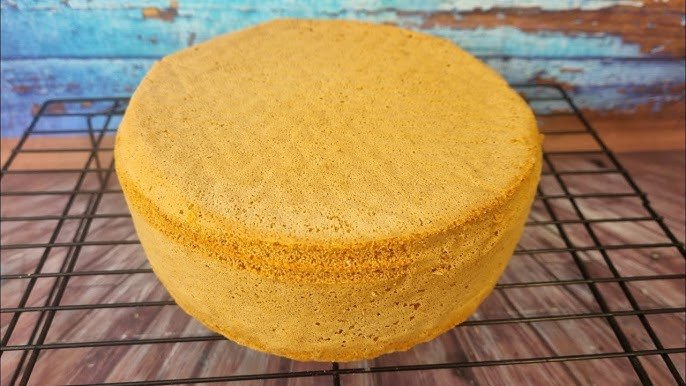
Biskvitas is a classic sponge cake known for its light texture, delicate crumb, and simple ingredients. While traditional versions are delicious on their own, this versatile cake can also serve as an excellent base for creative flavors, fillings, toppings, and decorations. With a few thoughtful changes, you can transform a familiar biskvitas into a dessert suited to birthdays, holidays, afternoon gatherings, or everyday celebrations.
The beauty of biskvitas lies in its simplicity. Eggs, flour, sugar, and other basic ingredients create a soft foundation that can be customized in countless ways. Whether you prefer fruity flavors, rich chocolate, creamy fillings, or elegant decorations, experimenting with different combinations can make each cake feel completely new.
Add Fresh Fruit for Natural Flavor
One of the easiest ways to customize biskvitas is by incorporating fresh fruit. Berries are especially suitable because their natural sweetness and slight acidity complement the mild flavor of the sponge. Strawberries, raspberries, blueberries, blackberries, and cherries can all be used between cake layers or arranged on top.
For a refreshing summer variation, prepare a simple biskvitas with layers of whipped cream and sliced strawberries. Blueberries and lemon cream create another bright combination, while raspberries pair beautifully with vanilla or white chocolate. When using juicy fruit, drain excess moisture before adding it to the cake so the sponge remains light rather than becoming soggy.
Create a Chocolate Biskvitas
Chocolate is an easy way to give this traditional cake a richer character. Replace a portion of the flour with unsweetened cocoa powder to create a chocolate sponge while maintaining the cake’s delicate structure. The finished layers can then be combined with chocolate cream, whipped cream, or a smooth ganache.
For extra texture, add finely chopped chocolate between the layers. Dark chocolate provides a more intense flavor, while milk chocolate produces a sweeter dessert. A chocolate biskvitas topped with fresh raspberries can offer an appealing balance between richness and freshness.
Experiment With Cream Fillings
The filling can completely change the personality of biskvitas. Classic whipped cream is light and simple, but there are many alternatives. Mascarpone cream can provide a luxurious texture, while cream cheese filling introduces a subtle tanginess.
For a coffee-inspired variation, mix a small amount of cooled espresso or strong coffee into the cream. Vanilla, cinnamon, caramel, or citrus zest can also be incorporated into the filling. A layered biskvitas with vanilla cream and caramel sauce creates a comforting dessert, whereas lemon cream gives the cake a lighter and more refreshing profile.
Introduce Citrus Flavors
Citrus is particularly effective when you want to make biskvitas taste fresh and fragrant. Lemon zest can be added to the batter, cream, or frosting. Orange zest offers a sweeter and warmer citrus note, while lime provides a sharper flavor.
A lemon biskvitas can be layered with lemon curd and lightly sweetened cream. For an elegant orange version, combine orange zest with vanilla cream and decorate the top with thin slices of fresh orange. Citrus flavors also work well with berries and white chocolate.
Try Nutty Variations
Nuts can add both flavor and texture to a traditional sponge cake. Ground almonds, hazelnuts, walnuts, or pistachios can be incorporated carefully into the batter or used as decoration.
An almond-inspired biskvitas can feature almond-flavored cream and toasted almond slices around the outside. Pistachios create an attractive green accent and pair well with raspberries or strawberries. Toasted hazelnuts combined with chocolate cream can turn a simple sponge into a rich dessert with a satisfying crunch.
Add Spices for a Warmer Character
Spices can make a traditional biskvitas feel especially suitable for autumn and winter celebrations. Cinnamon is an obvious choice, but nutmeg, cardamom, ginger, and a small amount of cloves can also work beautifully.
A cinnamon and apple variation is particularly inviting. Add thinly sliced cooked apples between layers and combine them with lightly spiced cream. Cardamom can create a more distinctive flavor, especially when paired with orange zest and a simple vanilla filling.
Explore Jam and Preserve Fillings
Jam is a practical and flavorful way to customize biskvitas without requiring complicated preparation. Raspberry, strawberry, apricot, cherry, and blueberry preserves can all be spread between layers.
For a balanced result, combine jam with lightly sweetened whipped cream. The cream softens the intensity of the preserve while adding moisture and richness. Apricot jam works especially well with almonds, while raspberry preserves complement chocolate and vanilla sponge.
Make a Coffee-Inspired Version
Coffee lovers can turn biskvitas into an elegant dessert by adding coffee to the cream or soaking the sponge lightly with a coffee syrup. The key is moderation because too much liquid can compromise the cake’s structure.
Coffee cream combined with cocoa creates a sophisticated flavor profile. You can also finish the cake with grated chocolate, cocoa powder, or finely chopped toasted nuts. This variation is ideal for serving after dinner with tea or coffee.
Customize the Toppings
Toppings provide an opportunity to change the appearance of biskvitas without significantly altering the recipe. Fresh berries, powdered sugar, chocolate shavings, toasted nuts, coconut flakes, and edible flowers can all be used.
For a minimalist presentation, dust the finished cake with powdered sugar and add a few fresh berries. For celebrations, pipe decorative cream around the edges and arrange fruit in an attractive pattern. Chocolate curls can make a simple cake look more elaborate without requiring professional decorating skills.
Create Seasonal Biskvitas Variations
Seasonal ingredients can keep this traditional cake interesting throughout the year. Spring versions can feature strawberries, raspberries, and lemon. Summer cakes can highlight peaches, cherries, and blueberries. Autumn variations can include apples, pears, cinnamon, and caramel, while winter versions can focus on chocolate, orange, nuts, and warming spices.
Using seasonal ingredients also makes it easier to create desserts that feel connected to a particular occasion. The basic biskvitas recipe remains familiar while the flavors change naturally with the time of year.
Keep the Sponge Light and Balanced
Although customization is encouraged, maintaining the light structure of biskvitas is important. Heavy fillings, excessive syrup, or large amounts of dense ingredients can overwhelm the sponge. When adding new ingredients, consider how their moisture, weight, and sweetness will affect the final cake.
If the cake includes a sweet filling such as caramel or jam, a less-sweet cream can provide balance. Likewise, rich chocolate fillings benefit from fresh fruit or citrus flavors. The goal is not simply to add more ingredients but to create harmony between the sponge, filling, and decoration.
Turn Tradition Into Your Own Creation
Biskvitas offers an excellent starting point for culinary creativity because its mild flavor works with a wide range of ingredients. From fruit and citrus to chocolate, coffee, nuts, spices, and creamy fillings, even small adjustments can produce a noticeably different dessert.
The most successful variations respect the qualities that make biskvitas special: a soft crumb, delicate texture, and versatile flavor. By experimenting with complementary ingredients while keeping the sponge light, you can create countless versions of this traditional cake. Whether served simply with powdered sugar or transformed into a layered celebration cake, biskvitas can easily adapt to modern tastes while retaining its classic charm.