
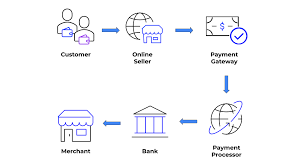
In today’s digital economy, online transactions have become the backbone of global commerce. Whether you are running an e-commerce store, a SaaS business, or a subscription-based service, choosing the right payment processing platform is critical. A secure and efficient system not only ensures smooth transactions but also builds customer trust and protects sensitive financial data from cyber threats. With increasing incidents of fraud and data breaches, businesses must be extremely selective when evaluating payment solutions. Platforms such as Fenige have emerged as examples of modern fintech infrastructure that prioritize both security and performance, helping businesses handle transactions safely and efficiently.
Understanding the key features of a secure online payment processing platform can help businesses make informed decisions and avoid costly risks. Below are the essential elements every organization should consider before selecting a payment gateway or processor.
Strong Data Encryption and Security Standards
One of the most important features of any payment processing platform is robust data encryption. Encryption ensures that sensitive customer information, such as credit card numbers and personal details, is converted into unreadable code during transmission. This protects data from hackers and unauthorized access.
A secure platform should use advanced encryption protocols like TLS (Transport Layer Security) and AES (Advanced Encryption Standard). In addition, compliance with PCI DSS (Payment Card Industry Data Security Standard) is non-negotiable. PCI DSS compliance ensures that the platform adheres to strict security requirements for handling cardholder data. Without these safeguards, businesses expose themselves to financial loss and reputational damage.
Advanced Fraud Detection and Prevention Systems
Fraud prevention is another critical feature to look for in a payment processing solution. Cybercriminals are constantly developing new techniques to exploit vulnerabilities, making real-time fraud detection essential.
A strong platform uses AI and machine learning algorithms to detect suspicious activity patterns. These systems can flag unusual transactions, such as multiple failed payment attempts, mismatched billing information, or high-risk geographic locations. Some platforms also include 3D Secure authentication, which adds an extra layer of verification during checkout.
Fenige, for example, integrates intelligent monitoring systems that help businesses identify and block fraudulent transactions before they are completed, reducing chargebacks and financial risks.
Tokenization for Enhanced Data Protection
Tokenization is a security feature that replaces sensitive payment information with a unique identifier or “token.” Instead of storing actual card details, the system stores tokens that are useless if intercepted by hackers.
This process significantly reduces the risk of data breaches because even if attackers gain access to the system, they cannot retrieve real financial information. Tokenization is widely used in subscription services, mobile payments, and recurring billing systems.
Businesses should ensure that their chosen platform offers strong tokenization capabilities as part of its security framework.
Multi-Currency and Global Payment Support
For businesses operating internationally, multi-currency support is essential. A secure payment processing platform should allow customers to pay in their preferred currency while automatically handling conversion rates.
This feature not only enhances user experience but also expands a business’s global reach. Additionally, compliance with regional regulations and local payment methods is important for seamless international operations.
Modern platforms like Fenige support cross-border transactions, making it easier for businesses to scale globally without worrying about payment barriers.
Seamless API Integration and Scalability
A secure payment processor must integrate smoothly with existing business systems such as websites, mobile apps, and e-commerce platforms. Well-documented APIs allow developers to implement payment functionality without disrupting the user experience.
Scalability is equally important. As a business grows, the payment system should be able to handle increased transaction volumes without performance issues. A scalable platform ensures that peak traffic periods, such as holiday sales or promotional campaigns, do not lead to system crashes or delays.
Choosing a flexible and developer-friendly solution helps businesses adapt quickly to market demands.
Optimized Checkout Experience for Higher Conversions
Security should never come at the cost of user experience. A complicated or slow checkout process can lead to cart abandonment and lost sales. Therefore, a secure payment platform must also provide a smooth and intuitive checkout experience.
Features such as one-click payments, guest checkout options, and mobile optimization significantly improve conversion rates. Additionally, the platform should support multiple payment methods, including credit cards, digital wallets, and bank transfers, to accommodate different customer preferences.
A balance between security and usability is essential for maintaining customer satisfaction.
Real-Time Reporting and Analytics
Another important feature of a reliable payment processing platform is access to real-time data and analytics. Businesses need detailed insights into transaction history, payment success rates, refund trends, and customer behavior.
Advanced reporting tools help organizations make data-driven decisions, optimize pricing strategies, and identify potential issues in the payment flow. Real-time dashboards also allow businesses to monitor transactions and detect anomalies quickly.
Platforms like Fenige provide detailed analytics tools that help businesses gain better control over their financial operations.
High System Uptime and Reliability
Payment processing systems must be highly reliable, as even a few minutes of downtime can result in significant revenue loss. A secure platform should guarantee high uptime, typically 99.9% or higher.
Redundant infrastructure, cloud-based hosting, and load balancing are key technologies that ensure uninterrupted service. Reliable systems also include automatic failover mechanisms to prevent disruptions during technical issues or maintenance.
Businesses should always evaluate uptime guarantees before committing to a payment processor.
Compliance with Legal and Regulatory Requirements
Regulatory compliance is a critical aspect of payment security. Depending on the region, businesses must adhere to various financial regulations, such as GDPR in Europe or PSD2 for payment services.
A secure payment platform should automatically comply with these regulations and provide tools to help businesses maintain legal standards. This includes secure data storage, customer privacy protection, and transparent transaction handling.
Non-compliance can lead to heavy penalties and loss of customer trust, making this feature essential.
Responsive Customer Support and Technical Assistance
Even the most advanced payment systems may face occasional technical issues. That’s why responsive customer support is a crucial feature. Businesses should choose a provider that offers 24/7 technical assistance and quick resolution of issues.
Dedicated support teams, live chat options, and detailed documentation can significantly reduce downtime and ensure smooth operations. A reliable support system adds an extra layer of confidence when dealing with financial transactions.
Conclusion
Selecting a secure online payment processing platform is one of the most important decisions for any digital business. It directly impacts customer trust, operational efficiency, and financial security. From encryption and fraud detection to scalability and compliance, every feature plays a vital role in ensuring safe and seamless transactions.
Modern solutions like Fenige demonstrate how advanced technology can combine security, performance, and usability to create a reliable payment ecosystem. By carefully evaluating these key features, businesses can protect themselves from risks while providing customers with a smooth and secure payment experience.