
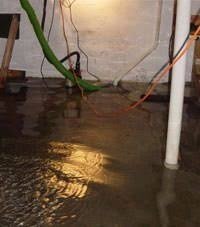
Flooding in basements can be a homeowner’s nightmare, especially in areas like Waukegan where heavy rains and storms are common. When water invades your basement, it not only damages property but can also create long-term structural and health issues. If you are dealing with this problem, following proper Waukegan flooded basement cleanup procedures is crucial for safety and efficiency. This guide will walk you through every step to restore your basement effectively.
Assess the Situation and Ensure Safety
Before touching anything, it’s essential to evaluate the situation. Flooded basements can hide electrical hazards, weakened structures, and contaminated water. Make sure all electrical circuits leading to the basement are turned off to prevent electrocution. Wear protective clothing such as gloves, boots, and masks to avoid exposure to harmful bacteria or mold spores. If the water is more than a few inches deep, or if sewage is involved, it’s wise to call professional help.
Remove Standing Water
The first step in any Waukegan flooded basement cleanup is removing standing water. Depending on the volume, you can use a submersible pump for large amounts or wet/dry shop vacs for smaller areas. Begin from the corner farthest from the exit and work toward it, which helps avoid slipping and keeps water moving out efficiently. If water is slow to drain, opening nearby windows and doors can improve ventilation and speed up the process.
Salvage Valuables and Furniture
Once the water level drops, prioritize removing items that can be salvaged. Furniture, electronics, and personal belongings should be relocated to a dry, safe area. Be cautious with waterlogged materials—some items like mattresses or paper documents may be beyond saving and should be disposed of to prevent mold growth. For wooden furniture, allow it to dry slowly in a well-ventilated space, but never expose it to direct heat as it can warp.
Clean and Disinfect Affected Areas
Water left in the basement often contains contaminants that can foster bacteria and mold. Clean all surfaces thoroughly with water and a detergent solution to remove dirt and debris. After cleaning, use a disinfectant such as a bleach solution or a commercial cleaner to kill germs. Pay extra attention to corners, cracks, and any porous surfaces where water might have seeped in. Proper disinfection is critical for preventing health hazards later.
Dry the Basement Thoroughly
Drying is the most important step after cleanup. Use fans, dehumidifiers, and open windows to improve airflow. The process may take several days, depending on the extent of flooding. Ensure that walls, floors, and any remaining furniture are completely dry before moving on to repairs. Inadequate drying can lead to mold growth, which is costly and difficult to remove once it takes hold.
Check for Mold and Mildew
Even after cleaning, mold can grow if moisture remains. Inspect walls, floors, and hidden corners carefully for signs of mold or mildew. Small patches can be treated with specialized mold removers, but extensive infestations may require professional remediation. Wearing protective gear is essential when handling mold to prevent respiratory issues.
Repair Structural Damage
Flooding can weaken basement structures. Check for cracks in walls, floors, or the foundation. Also, inspect windows, doors, and sump pumps for damage. Small cracks may be sealed with waterproof sealants, but significant damage could require a contractor’s expertise. Repairing these issues promptly helps prevent future flooding and maintains the safety of your basement.
Restore Utilities and Appliances
Once the basement is dry and cleaned, check appliances and utilities. Electrical outlets, heating systems, and water heaters may have been affected by the flood. Have a licensed electrician or plumber inspect these systems to ensure they are safe to use. Attempting to use damaged appliances can be dangerous and cause further damage.
Prevent Future Flooding
After completing the cleanup, it’s important to take steps to prevent future incidents. Install sump pumps with battery backup, ensure proper grading around your property, and seal any cracks in the foundation. Regular maintenance of gutters and downspouts can also help divert water away from your home. Proactive measures are always more cost-effective than repeated cleanup efforts.
Dispose of Debris Safely
Flooded basements often produce significant debris, including damaged furniture, flooring, and household items. Dispose of these materials responsibly. Some items may require special handling due to contamination, especially if sewage or chemicals were involved. Contact your local waste management services for guidance on proper disposal.
Keep Records for Insurance
Documenting the flooding and cleanup process can help with insurance claims. Take photos of water damage, damaged items, and repairs. Keep receipts for any professional services, cleaning supplies, or materials purchased during the cleanup. Insurance companies often require detailed records to process claims efficiently, and proper documentation can speed up reimbursement.
Monitor for Long-Term Effects
Even after a successful Waukegan flooded basement cleanup, it’s important to monitor your basement over the following weeks. Check for signs of hidden moisture, structural weaknesses, or recurring mold. Early detection of any lingering issues can prevent more severe problems and keep your home safe and dry.
When to Call Professionals
Some basement floods are too severe to handle alone. If the water is contaminated, if there is extensive structural damage, or if mold growth is significant, it’s best to contact certified water damage restoration professionals. They have the equipment and expertise to safely and effectively restore your basement, saving time and preventing further damage.
Dealing with a flooded basement in Waukegan can be stressful, but following these steps ensures a thorough and safe cleanup. From assessing the situation to drying, disinfecting, and repairing, each stage is critical. By taking careful precautions and acting methodically, you can restore your basement and reduce the risk of future flooding incidents. Proper Waukegan flooded basement cleanup not only protects your property but also safeguards your health and peace of mind.