
Water damage can strike suddenly and leave homeowners and business owners facing overwhelming challenges. Whether caused by a burst pipe, flooding, or severe storms, water can infiltrate walls, floors, and furniture, causing structural damage, mold growth, and long-term financial loss. Prompt and professional water damage restoration is essential to minimize damage and restore your property to its pre-loss condition. This article explores the importance, process, and benefits of water damage restoration to help property owners take effective action during a crisis.
Understanding Water Damage and Its Impacts
Water damage can range from minor leaks to major flooding events. Even a small leak can weaken structural elements, ruin personal belongings, and promote mold growth if left untreated. Floods and storms, on the other hand, can inundate an entire property, leaving extensive damage to floors, walls, electrical systems, and furniture. The severity of damage often depends on the source, duration, and amount of water involved.
Beyond structural concerns, water damage can create health risks. Stagnant water encourages mold and mildew growth, which can trigger respiratory issues, allergies, and other health problems. Electrical hazards are also a concern when water interacts with wiring or appliances. For these reasons, water damage restoration is not just about repairing your property—it’s about safeguarding your health and safety.
The Importance of Professional Water Damage Restoration
While some homeowners may attempt to address water damage themselves, professional water damage restoration ensures a comprehensive and effective approach. Experts in this field are trained to assess the extent of the damage, remove water safely, and restore affected areas using specialized equipment and techniques.
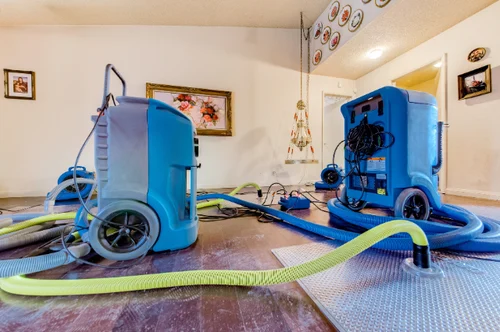
Professional restoration companies use industrial-grade dehumidifiers, air movers, and moisture detection tools to thoroughly dry affected areas. These tools help prevent secondary damage such as warped flooring, peeling paint, or mold growth. Professionals also have the knowledge to handle structural components, electronics, and personal belongings in ways that maximize salvage and minimize loss.
Initial Assessment and Damage Inspection
The first step in water damage restoration is a detailed assessment of the property. Restoration specialists evaluate the source of water, affected areas, and potential hazards. This inspection is crucial for developing an effective restoration plan tailored to the specific circumstances of each property.
During the assessment, professionals may check for hidden moisture behind walls, under flooring, or inside insulation. Early detection of moisture pockets prevents further damage and reduces the risk of mold infestations. Documentation of the damage is also conducted, which is helpful for insurance claims and repair planning.
Water Extraction and Structural Drying
Once the assessment is complete, water extraction begins. This step involves removing standing water from floors, carpets, and other surfaces using pumps, wet vacuums, or specialized extraction equipment. Rapid removal of water is essential to prevent further structural damage and limit contamination risks.
After water extraction, the drying process begins. Air movers and dehumidifiers are strategically placed to circulate air and remove moisture from walls, floors, and ceilings. This step is critical for restoring the property to pre-loss condition and preventing mold growth. Monitoring moisture levels throughout the drying process ensures that all areas are adequately treated.
Cleaning and Sanitizing Affected Areas
Water damage often leaves behind dirt, debris, and potential contaminants. Professional water damage restoration includes thorough cleaning and sanitizing of all affected surfaces. Carpets, furniture, and personal belongings may be cleaned using specialized solutions to remove stains, odors, and bacteria.
Sanitization is particularly important for properties affected by floodwaters, which may contain harmful microorganisms. Restoration companies use EPA-approved disinfectants to ensure that the environment is safe for occupants after the restoration process is complete. This step not only restores property aesthetics but also protects health and hygiene.
Structural Repairs and Restoration
Once drying and cleaning are complete, the final phase of water damage restoration involves repairing and restoring structural elements. This may include replacing damaged drywall, flooring, and insulation, as well as repainting and refinishing surfaces to match the pre-damage appearance.
Skilled restoration specialists ensure that repairs are seamless and that the property is returned to its pre-loss condition. In some cases, structural reinforcement may be necessary to prevent future issues. The goal is to restore both the functionality and the aesthetic appeal of the property, so occupants can return to normal life without compromise.
Preventing Future Water Damage
Water damage restoration is not just about fixing current issues—it also presents an opportunity to prevent future incidents. Professionals can identify vulnerable areas, such as weak plumbing, poor drainage, or faulty roofing, and provide recommendations for improvements. Installing sump pumps, waterproofing basements, or repairing leaks can significantly reduce the risk of future water damage.
Regular maintenance and prompt attention to minor issues can also prevent extensive damage over time. Homeowners and business owners should be proactive in checking for leaks, monitoring water meters, and addressing drainage concerns to minimize potential water-related losses.
Benefits of Timely Water Damage Restoration
Engaging in water damage restoration promptly offers numerous benefits. Quick action reduces the risk of secondary damage, including mold growth, structural weakening, and deterioration of personal belongings. Professional restoration also improves safety by addressing electrical hazards and sanitizing contaminated areas.
Additionally, timely restoration enhances property value by preventing long-term damage. Insurance claims are easier to process with proper documentation, and the overall stress of water damage is minimized when professional help is sought immediately.
Choosing the Right Water Damage Restoration Service
Selecting a reliable and experienced water damage restoration company is critical. Property owners should look for certified professionals with a proven track record in handling water-related emergencies. Key considerations include availability for emergency response, use of advanced equipment, and expertise in both residential and commercial restoration projects.
Reading reviews, requesting references, and checking certifications such as IICRC (Institute of Inspection, Cleaning, and Restoration Certification) can help ensure that you hire a qualified restoration company. A trustworthy service provider will offer a comprehensive plan that addresses assessment, extraction, drying, cleaning, and structural restoration.
Conclusion
Water damage can be devastating, but professional water damage restoration provides a reliable path to recovery. From initial assessment to structural repair, each step in the restoration process is designed to restore your property to pre-loss condition efficiently and safely. Timely intervention not only mitigates damage but also protects health, preserves property value, and reduces stress. By partnering with experienced restoration professionals, property owners can navigate the challenges of water damage with confidence and restore their homes or businesses to their original state.
Restoring your property after water damage is more than just repair—it’s a comprehensive process of protection, recovery, and prevention. Investing in professional water damage restoration ensures that your property is safe, functional, and aesthetically restored, giving you peace of mind in the face of unexpected water emergencies.