
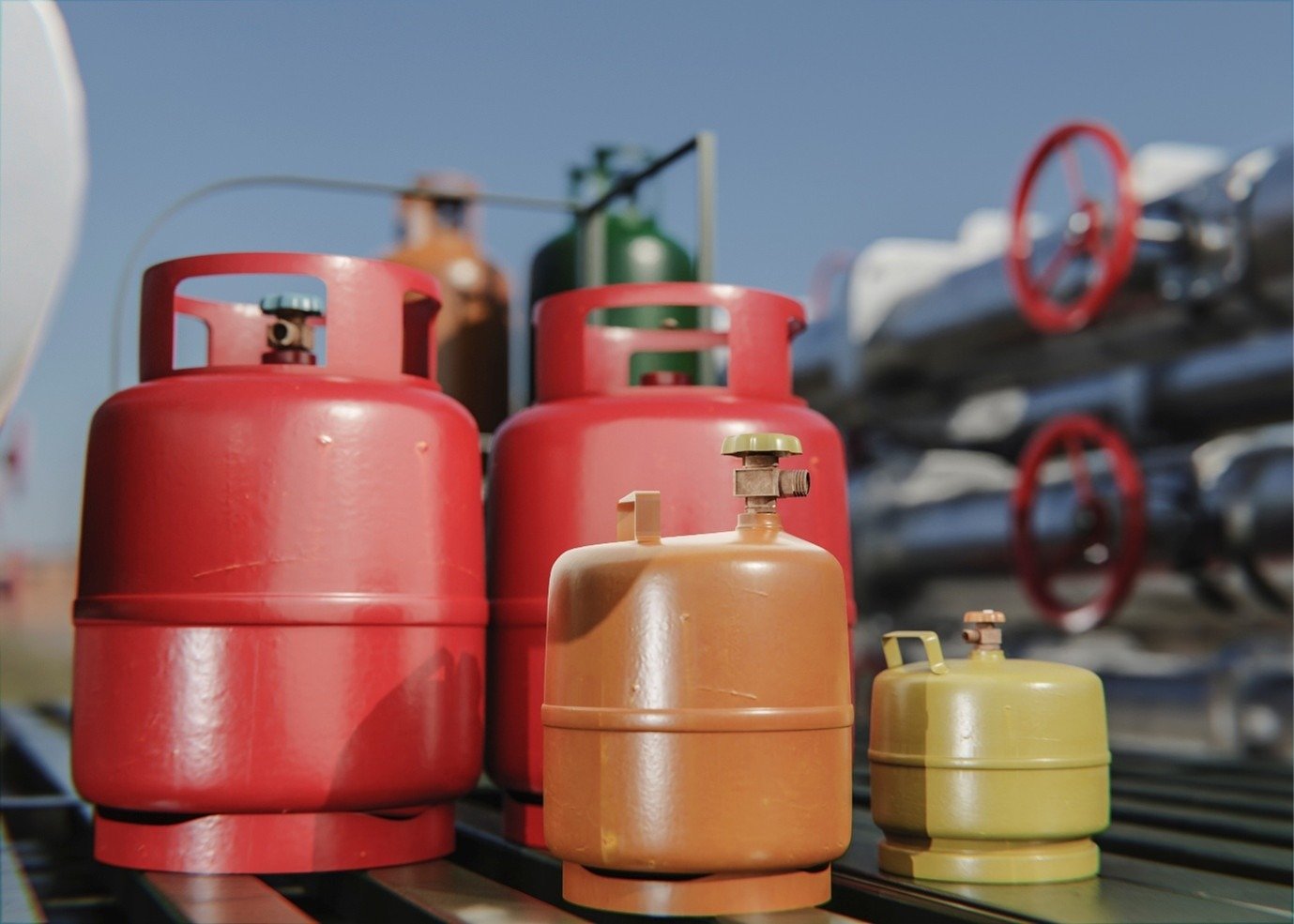
The refrigeration industry is undergoing a significant transformation as environmental regulations and sustainability goals push for the adoption of natural refrigerants. Unlike synthetic refrigerants, which contribute heavily to global warming and ozone depletion, natural refrigerants such as ammonia (NH₃), carbon dioxide (CO₂), and hydrocarbons (propane, isobutane) offer a more environmentally friendly alternative. However, transitioning to refrigeration equipment with natural refrigerants is not without its challenges. Businesses, engineers, and facility managers face multiple technical, operational, and regulatory hurdles that must be carefully navigated to ensure safe and efficient operation.
Understanding the Different Types of Natural Refrigerants
Before addressing the challenges, it is essential to understand the types of natural refrigerants commonly used. Ammonia is widely used in industrial refrigeration due to its high efficiency and low environmental impact but is toxic and mildly flammable. CO₂ is non-toxic, non-flammable, and highly efficient at low temperatures, making it suitable for commercial and supermarket systems, but it requires high operating pressures. Hydrocarbons like propane and isobutane are energy-efficient and environmentally friendly but are highly flammable, necessitating stringent safety measures. Each refrigerant brings unique benefits and constraints, and selecting the right one depends on system requirements, local regulations, and operational conditions.
Technical Challenges in Retrofitting Systems
Switching existing systems to refrigeration equipment with natural refrigerants often involves retrofitting, which presents several technical challenges. First, compatibility is a concern. Components designed for synthetic refrigerants may not withstand the pressures, lubricants, or chemical interactions associated with natural refrigerants. For instance, CO₂ systems operate at significantly higher pressures than traditional HFC systems, requiring thicker pipes, reinforced compressors, and specialized valves. Similarly, ammonia’s corrosive properties necessitate corrosion-resistant materials and careful material selection.
Another technical challenge is system design. Natural refrigerants often require different heat exchanger designs, expansion devices, and compressor technologies. For example, CO₂ transcritical systems operate with unique pressure-temperature profiles, requiring advanced control strategies and pressure optimization. Hydrocarbon systems may require leak-tight components and explosion-proof equipment due to flammability risks. These changes can significantly increase the complexity of retrofitting, requiring skilled engineers and precise planning.
Safety and Risk Management Concerns
Safety is a critical challenge when adopting refrigeration equipment with natural refrigerants. Ammonia, while efficient, is toxic, and exposure can be harmful or fatal. Proper ventilation, leak detection systems, and emergency response protocols are mandatory. Hydrocarbons pose explosion and fire hazards, requiring intrinsically safe electrical components, spark-proof tools, and compliance with stringent fire safety codes. Even CO₂, which is non-flammable, can displace oxygen in confined spaces, creating asphyxiation risks.
Operators and maintenance personnel must undergo specialized training to handle these refrigerants safely. Safety standards and building codes often differ by region, making compliance a complex task. Failure to implement proper risk management measures can lead to accidents, regulatory penalties, and reputational damage for businesses.
Energy Efficiency Considerations
Although natural refrigerants are generally more environmentally friendly, achieving optimal energy efficiency can be challenging. For example, CO₂ transcritical systems can experience efficiency drops in warmer climates due to high discharge pressures. Engineers may need to incorporate advanced technologies such as parallel compression, ejectors, or subcooling loops to maintain efficiency. Similarly, ammonia systems require careful balancing of evaporator loads and condenser design to minimize energy consumption.
Energy efficiency also depends on system controls. Existing refrigeration controls designed for HFCs may not be compatible with natural refrigerants, necessitating upgrades or replacements. Without proper optimization, operational costs can increase, offsetting some of the environmental benefits of switching.
Regulatory and Compliance Challenges
The regulatory landscape for natural refrigerants is complex and varies by country. While international agreements such as the Kigali Amendment encourage the phase-down of HFCs, local codes may impose restrictions on ammonia concentrations, hydrocarbon quantities, or CO₂ operating pressures. Obtaining approvals, permits, and certifications can be time-consuming and costly.
Additionally, insurance requirements often differ for systems using toxic or flammable refrigerants. Companies may face higher premiums or stricter coverage conditions. Staying compliant requires constant monitoring of evolving regulations, training staff, and investing in proper documentation and safety protocols.
Availability of Skilled Workforce
One of the less obvious but critical challenges is the shortage of skilled personnel. Handling natural refrigerants safely and efficiently requires specialized knowledge in thermodynamics, high-pressure systems, chemical safety, and regulatory compliance. Many technicians and engineers are trained primarily on synthetic refrigerant systems, creating a gap in expertise.
Organizations may need to invest heavily in training programs, certifications, and ongoing professional development to ensure their workforce can manage refrigeration equipment with natural refrigerants safely. The lack of skilled personnel can delay project timelines and increase operational risks.
Economic and Cost Implications
Switching to natural refrigerants often involves significant upfront investment. Retrofitting or designing new systems with CO₂, ammonia, or hydrocarbons can be more expensive than sticking with traditional HFCs. Costs may include new compressors, heat exchangers, pressure vessels, safety equipment, monitoring systems, and control upgrades.
While natural refrigerants can reduce long-term environmental fees or carbon taxes, the initial capital outlay can be a barrier for small and medium enterprises. Careful financial planning and lifecycle cost analysis are essential to justify the investment and quantify the return on sustainability improvements.
Environmental and Public Perception Challenges
Although natural refrigerants are more sustainable, public perception and environmental advocacy can still pose challenges. Ammonia leaks, for example, can trigger alarm due to toxicity, even if contained safely. Hydrocarbon systems may face scrutiny due to fire risk. Businesses need to educate stakeholders and develop robust communication strategies to demonstrate safety, compliance, and environmental responsibility.
Additionally, disposal and recycling of old synthetic refrigerants must be managed carefully to prevent environmental harm, further complicating the transition.
Future Prospects and Technological Innovations
Despite these challenges, the future of refrigeration equipment with natural refrigerants is promising. Advances in compressor technology, leak detection, safety systems, and hybrid refrigerant solutions are making adoption more feasible. Industry standards are evolving, and training programs are expanding to bridge the skills gap. Innovations such as cascade systems combining CO₂ and ammonia or low-charge hydrocarbon systems offer efficient, safe, and scalable solutions.
Companies that proactively invest in natural refrigerants not only comply with regulations but also gain competitive advantages by positioning themselves as environmentally responsible and forward-thinking. The challenges, while significant, are increasingly manageable with proper planning, technical expertise, and adherence to safety standards.
Conclusion
Transitioning to refrigeration equipment with natural refrigerants is a critical step toward sustainable and environmentally responsible cooling solutions. However, it comes with technical, safety, regulatory, workforce, and economic challenges that require careful consideration. By understanding the properties of natural refrigerants, investing in skilled personnel, updating system designs, and adhering to safety and regulatory guidelines, businesses can overcome these hurdles. The long-term benefits—reduced environmental impact, regulatory compliance, and potential operational efficiency gains—make this transition a worthwhile investment for the future of refrigeration.
The shift toward natural refrigerants is not just a trend but a necessary evolution in the refrigeration industry. Companies that embrace this change strategically and responsibly will be well-positioned to thrive in a low-carbon, environmentally conscious market.