
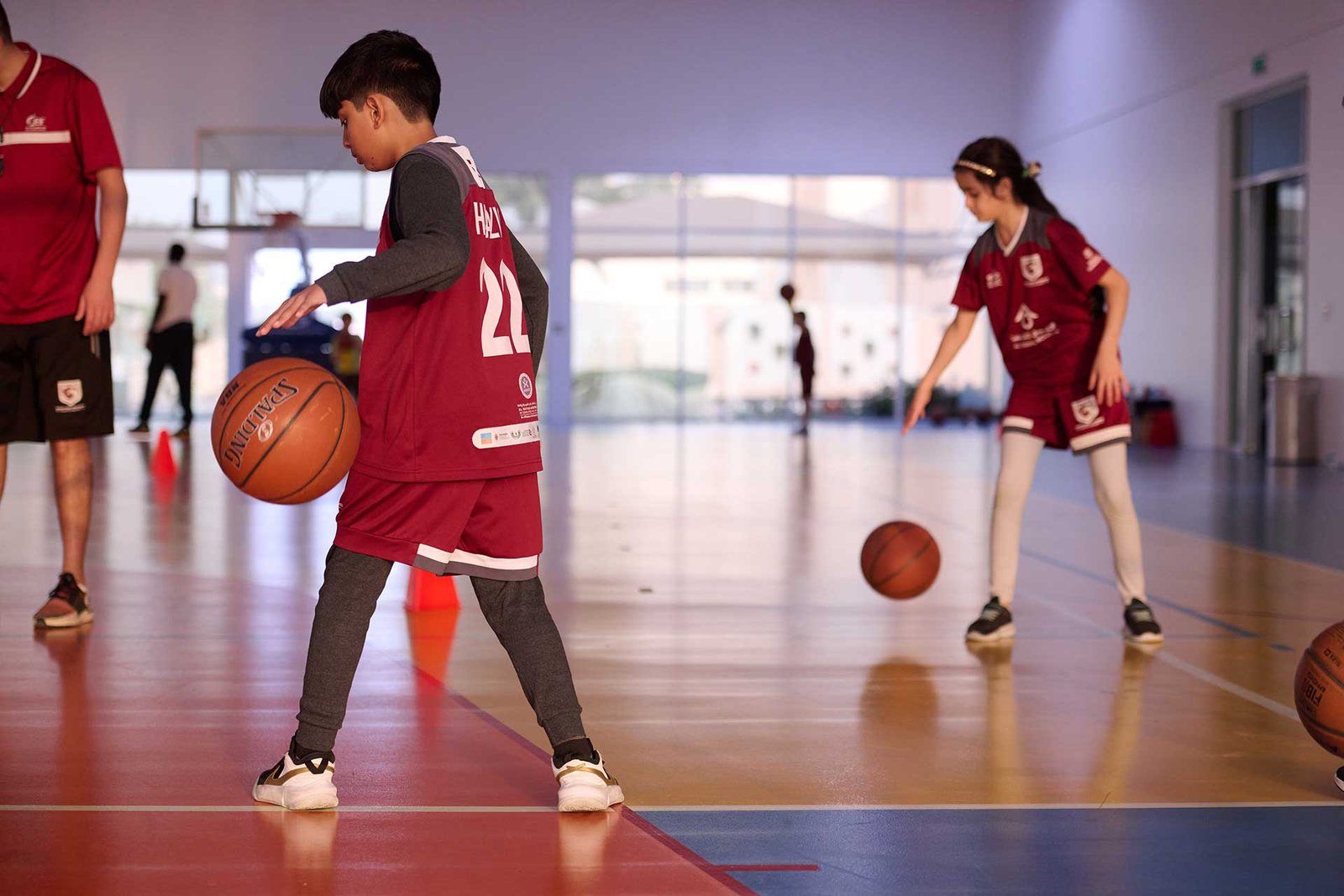
Basketball has evolved into one of the most popular sports worldwide, attracting young athletes who aspire to reach professional levels. While talent and dedication are essential, structured training environments play a critical role in shaping future stars. Among these, the basketball academy has emerged as a cornerstone in nurturing skills, discipline, and competitive spirit.
Understanding the Concept of a Basketball Academy
A basketball academy is more than just a place to practice shooting hoops. It is a comprehensive training institution designed to develop players’ physical, technical, and mental capabilities. These academies often provide structured programs, including skill drills, strength and conditioning, tactical education, and personal development. By creating a focused environment, basketball academies allow athletes to immerse themselves in the sport, accelerating their growth compared to traditional school or local club settings.
Identifying Talent Early
One of the primary advantages of a basketball academy is its ability to identify talent early. Scouts and coaches in these institutions are trained to spot potential in young athletes, sometimes before their peers or parents even recognize it. Early identification allows academies to offer tailored development plans that match each player’s strengths and weaknesses. By providing guidance from a young age, these programs can shape raw talent into high-level performance, ensuring that promising players have the opportunity to reach their full potential.
Skill Development and Technical Training
A basketball academy places significant emphasis on skill development. From shooting, dribbling, and passing to defensive positioning and court vision, every aspect of a player’s technical ability is addressed. Unlike casual or recreational training, academies provide specialized drills that simulate real-game scenarios, enhancing decision-making and adaptability under pressure. Additionally, modern basketball academies often use technology such as video analysis and performance tracking to refine techniques and monitor improvement over time.
Physical Conditioning and Injury Prevention
Athleticism is crucial in basketball, and basketball academies focus heavily on physical conditioning. Strength, speed, agility, and endurance are all trained through scientifically designed programs. Coaches ensure that exercises are age-appropriate, gradually increasing intensity as players grow. Injury prevention is another critical component, with academies educating athletes on proper warm-ups, stretching routines, and recovery methods. This structured approach reduces the risk of chronic injuries, enabling players to maintain peak performance throughout their careers.
Mental Toughness and Competitive Mindset
Success in basketball is not just about physical ability; mental resilience is equally important. Basketball academies incorporate psychological training to help players manage pressure, maintain focus, and recover from setbacks. Techniques such as visualization, goal-setting, and mindfulness are commonly integrated into daily routines. By fostering a competitive mindset, academies prepare athletes to perform consistently at high levels, whether in national tournaments or international competitions.
Exposure to High-Level Competition
Basketball academies provide exposure to competitive environments that many young athletes may not experience elsewhere. Regular matches, tournaments, and scrimmages against other academies or elite clubs challenge players to adapt to diverse styles of play. This exposure not only improves game IQ but also teaches athletes how to handle wins and losses gracefully. Moreover, performing in high-pressure situations allows scouts and recruiters to assess talent, increasing the chances of securing scholarships or professional contracts in the future.
Coaching Expertise and Mentorship
A defining feature of basketball academies is the quality of coaching. Experienced coaches who have played or coached at professional levels bring invaluable knowledge to the training process. Beyond teaching techniques and strategies, these coaches often serve as mentors, guiding players through the challenges of balancing academics, social life, and athletic ambitions. The mentor-student relationship established in a basketball academy can profoundly influence an athlete’s development, instilling discipline, work ethic, and a lifelong love for the sport.
Academic and Life Skills Support
Many basketball academies recognize the importance of holistic development. While training is rigorous, a balanced program often includes academic support, time management skills, and life skills education. This dual approach ensures that athletes are not only prepared for sports but also for challenges outside the court. Education, communication skills, teamwork, and leadership are integrated into academy programs, shaping well-rounded individuals who can thrive in various environments.
Networking and Career Opportunities
Being part of a basketball academy opens doors to numerous networking and career opportunities. Academies often have connections with professional teams, agents, and scouts. They may organize showcases or attend international camps, providing a platform for talented players to be seen by influential decision-makers. In addition, the camaraderie and relationships built with fellow athletes can last a lifetime, offering mutual support and collaboration throughout their careers.
The Global Impact of Basketball Academies
Across the globe, basketball academies have become instrumental in producing elite athletes. Countries known for strong basketball programs often rely on academies to maintain a pipeline of talent. Players trained in these institutions not only contribute to professional leagues but also represent their nations in international competitions, inspiring the next generation of athletes. This global impact highlights the transformative power of basketball academies in shaping the sport’s future.
Challenges and Considerations
While basketball academies provide numerous advantages, they also come with challenges. High costs, intense schedules, and the pressure to perform can be demanding for young athletes and their families. Choosing the right academy is crucial, as the quality of coaching, training philosophy, and support systems can significantly influence outcomes. Parents and players should carefully assess programs, ensuring alignment with personal goals and values.
Conclusion
Basketball academies play an indispensable role in developing future stars. By offering structured training, early talent identification, physical and mental conditioning, competitive exposure, and mentorship, they provide young athletes with the tools necessary to succeed at the highest levels. Beyond sports, these academies contribute to personal growth, instilling discipline, resilience, and life skills that extend far beyond the basketball court. As basketball continues to grow globally, academies will remain a key driving force in nurturing the next generation of champions, proving that with the right guidance and environment, raw talent can be transformed into greatness.