
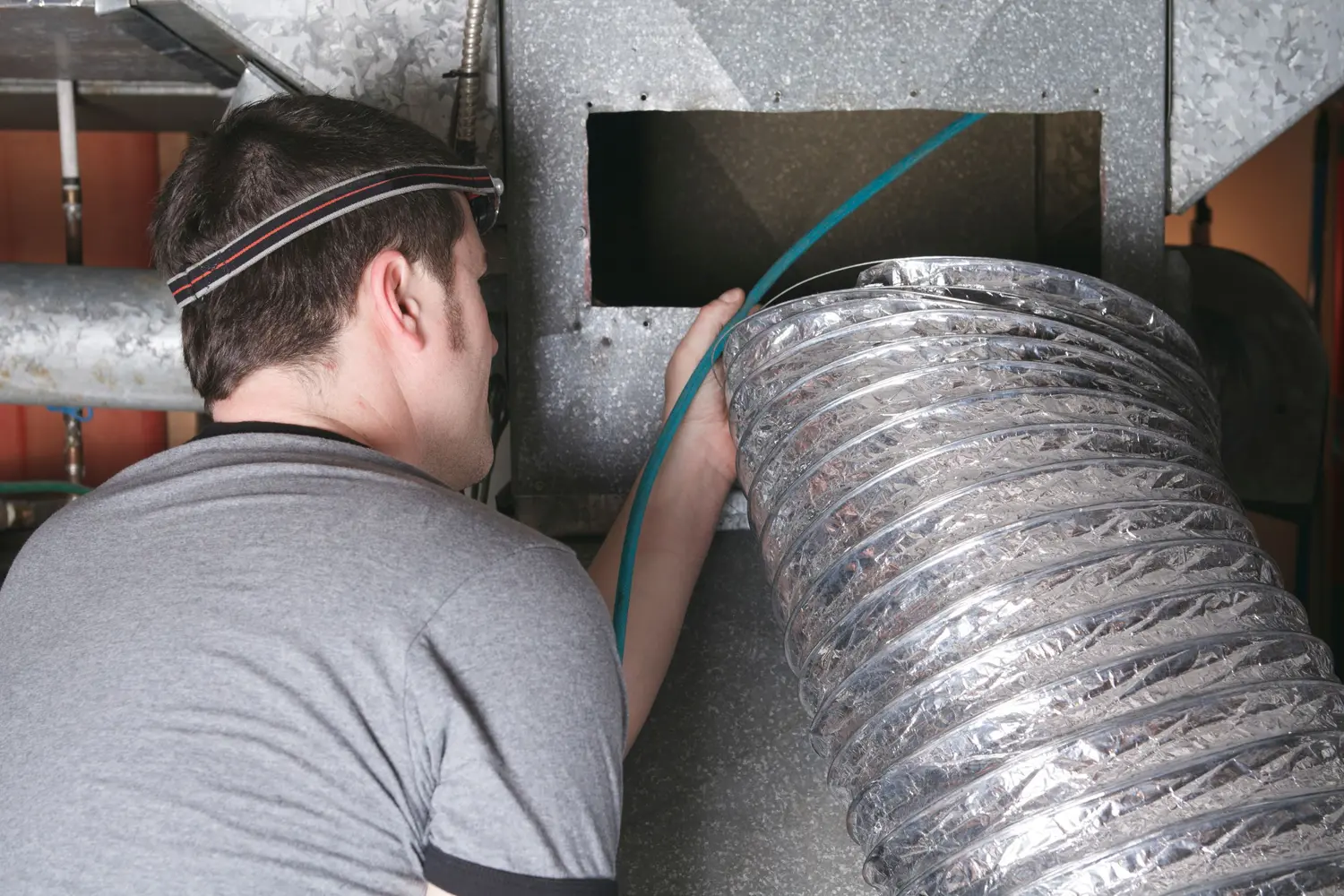
Maintaining a clean and efficient HVAC system is critical for commercial buildings. One essential component of this maintenance is air duct cleaning. Dirty air ducts can lead to poor indoor air quality, increased energy costs, and potential health hazards for employees and visitors. Understanding how often commercial buildings require air duct cleaning depends on multiple factors, including the building’s usage, location, and air quality concerns.
Factors Influencing Air Duct Cleaning Frequency
The frequency of air duct cleaning in commercial buildings is not a one-size-fits-all situation. Several factors influence how often a building should undergo this maintenance:
Type of Building and Usage
Commercial buildings vary greatly—from office spaces and hospitals to restaurants and warehouses. Buildings with higher foot traffic or specialized operations, such as hospitals or laboratories, often require more frequent cleaning. In medical facilities, for instance, maintaining clean air ducts is critical to prevent contamination and spread of airborne pathogens. Restaurants with kitchens that generate grease and smoke will also see faster duct buildup compared to standard office buildings.
Occupant Health and Comfort
The health and comfort of occupants play a major role in determining air duct cleaning schedules. If employees or visitors frequently complain of allergies, respiratory issues, or unpleasant odors, this could indicate that the air ducts need cleaning. Buildings housing vulnerable populations, such as schools or nursing homes, should consider more frequent cleaning to reduce the risk of airborne contaminants.
Local Environmental Factors
Environmental conditions around the building affect air duct cleanliness. Buildings in dusty or industrial areas, or regions with high pollen counts, often accumulate more debris in their ducts. Additionally, buildings near construction sites may experience faster duct contamination due to airborne particles. These factors can necessitate more frequent air duct cleaning than in buildings located in cleaner, suburban environments.
Recommended Cleaning Intervals
While factors like usage and environment matter, industry guidelines provide general recommendations for commercial air duct cleaning:
- Every 3–5 years: This is the standard recommendation for typical commercial office buildings with moderate occupancy and standard HVAC systems.
- Every 1–2 years: Buildings in high-traffic areas, healthcare facilities, restaurants, or industrial sites may require cleaning more frequently due to higher levels of dust, grease, or potential contaminants.
- As needed: In certain situations, such as after a construction project, water damage, or mold growth, immediate cleaning is necessary regardless of the last cleaning date.
It is important to note that these intervals are guidelines, and the actual frequency should be determined based on regular inspections and monitoring of the HVAC system.
Signs That Air Duct Cleaning Is Needed
Even if a building follows a regular cleaning schedule, it is essential to watch for signs indicating that air duct cleaning may be overdue:
- Visible dust or debris in air vents
- Mold growth inside the ducts or around vents
- Unexplained odors coming from the HVAC system
- Increased allergy symptoms among occupants
- Reduced airflow or efficiency in the HVAC system
Addressing these issues promptly can prevent long-term damage to the HVAC system and maintain a healthier indoor environment.
Benefits of Regular Air Duct Cleaning
Scheduling regular air duct cleaning provides several advantages for commercial buildings:
Improved Indoor Air Quality
Clean air ducts help reduce the accumulation of dust, allergens, and other contaminants, ensuring that the air circulated throughout the building is healthier. This is particularly important for buildings with vulnerable populations, such as schools, hospitals, and nursing homes.
Enhanced HVAC Efficiency
When ducts are clean, air can flow freely through the system. This reduces the strain on the HVAC system, improves energy efficiency, and can lower utility costs. Dirty ducts, on the other hand, force HVAC systems to work harder, potentially leading to premature equipment failure.
Extended HVAC Lifespan
Regular air duct cleaning helps prevent wear and tear on the system. Removing debris and contaminants reduces the risk of clogs, corrosion, or damage to HVAC components, ultimately extending the lifespan of the equipment.
Cost Savings
Although scheduling air duct cleaning involves upfront costs, it can lead to long-term savings. Efficient HVAC systems consume less energy, require fewer repairs, and reduce sick days among employees due to better air quality.
Best Practices for Scheduling Air Duct Cleaning
To maximize the benefits of air duct cleaning, commercial building managers should follow these best practices:
Regular Inspections
Routine inspections of air ducts, vents, and HVAC components help identify buildup or damage early. Professional HVAC technicians can assess whether cleaning is needed sooner than the standard interval.
Work with Certified Professionals
Hiring certified and experienced air duct cleaning professionals ensures the job is done safely and effectively. Professionals use specialized equipment to remove debris, mold, and other contaminants without damaging the ductwork.
Maintain a Cleaning Log
Keeping a record of inspections, cleanings, and repairs helps managers track the history of the HVAC system. This log can be valuable for future maintenance planning and for compliance with health or safety regulations.
Conclusion
The frequency of air duct cleaning in commercial buildings depends on factors such as building type, occupancy, environmental conditions, and health considerations. While general guidelines suggest cleaning every 3–5 years, some buildings may require more frequent attention. Regular inspections, prompt response to signs of contamination, and working with certified professionals ensure that HVAC systems remain efficient, indoor air quality is maintained, and overall operating costs are minimized. By prioritizing air duct maintenance, commercial building managers create a healthier and more comfortable environment for occupants while protecting their investment in HVAC infrastructure.
Proper scheduling of air duct cleaning is not just a maintenance task—it is a critical component of building management that supports health, efficiency, and cost savings over the long term.